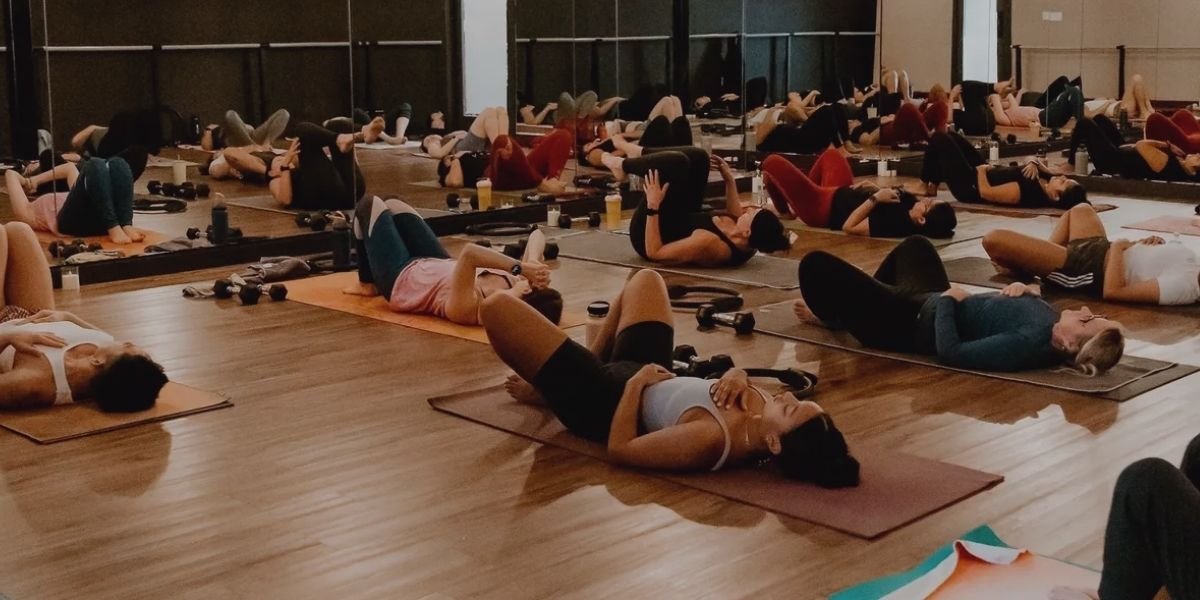
Walking into my first yoga session, I spent far more time worrying about what I was wearing than I did about the actual poses. I wondered if I needed expensive athletic clothing, specialized yoga gear, or the latest fitness trends just to fit in. Looking back, I realize that none of those concerns mattered nearly as much as wearing something comfortable that allowed me to move freely.
What to Wear to Yoga: A Complete Beginner’s Guide is about making practical choices that support your practice instead of distracting from it. The right clothing helps you stretch, balance, and breathe comfortably without constantly adjusting your outfit. Once I focused on comfort and functionality rather than appearance, yoga became much more enjoyable and far less intimidating.
Why Your Clothing Matters During Yoga
The clothes I wear have a direct impact on how comfortably I can move. Yoga involves bending, twisting, stretching, and balancing in different directions, so restrictive clothing quickly becomes frustrating. I learned that comfortable movement is much more important than looking fashionable.
Proper clothing also helps me stay focused. If I am constantly pulling down my shirt or adjusting loose pants, my attention shifts away from my breathing and posture. Wearing pieces that stay in place allows me to remain fully present throughout my practice.
Comfort also contributes to confidence. Feeling comfortable in my clothing makes it easier to relax and enjoy the session without worrying about how I look.
Choose Comfortable, Flexible Clothing
Stretchy fabrics have become my first choice for yoga because they move naturally with my body. Whether I am reaching overhead, folding forward, or holding a balance pose, flexible clothing allows unrestricted movement.
I avoid clothing that feels too tight or overly loose. Extremely tight outfits can restrict movement, while oversized clothing may shift around or cover my face during poses such as Downward-Facing Dog.
Finding the right balance between comfort and support has made every practice feel much smoother and more enjoyable.
The Best Tops for Yoga
A fitted but comfortable athletic shirt works best for most yoga sessions. Shirts that remain close to the body prevent unnecessary distractions when bending forward or moving into inverted positions.
Moisture-wicking fabrics are especially helpful because they keep me feeling dry during longer or more active practices. Even gentle yoga sessions can generate body heat after several minutes of continuous movement.
Long sleeves can be comfortable in cooler environments, while lightweight sleeveless tops work well during warmer weather. The most important consideration is choosing something that allows my shoulders and arms to move freely.
Choosing the Right Bottoms
Comfortable leggings have become my favorite option because they stay in place throughout every pose. Their flexibility allows me to move naturally without worrying about loose fabric interfering with balance or stretching.
Yoga pants made from soft, stretchy materials also provide excellent comfort. Depending on personal preference, full-length, cropped, or capri styles all work well.
Comfortable athletic shorts are another option, particularly during hot weather. If I choose shorts, I make sure they provide enough coverage during movements such as lunges and seated stretches.
Sports Bras for Added Support
For women, a supportive sports bra can make yoga much more comfortable. The level of support depends on the style of yoga being practiced. Gentle yoga may require only light support, while more active sessions often benefit from medium-support designs.
A properly fitting sports bra should feel secure without restricting breathing. Since controlled breathing plays such an important role in yoga, comfort around the chest is essential.
Finding the right balance between support and flexibility allows unrestricted movement throughout every pose.
What About Shoes?
One of the things I appreciated most about yoga is its simplicity. Shoes are generally unnecessary because yoga is traditionally practiced barefoot. Feeling the floor beneath my feet improves balance while helping me develop greater awareness of my body’s position.
Practicing barefoot also allows my feet to grip the mat naturally during standing poses. This added stability makes balancing much easier than wearing athletic shoes.
If I ever feel uncomfortable practicing barefoot, specialized yoga socks with non-slip grips provide an alternative while still maintaining traction.
Fabrics That Work Best
Breathable fabrics have made a noticeable difference in my comfort level during yoga. Materials designed to wick moisture away from the skin help regulate body temperature throughout the session.
Soft fabrics also reduce irritation during longer practices. Since yoga often involves sitting or lying on the mat, clothing that feels comfortable against the skin enhances the overall experience.
I generally avoid heavy materials such as denim or thick cotton because they become restrictive once movement begins.
Should You Buy Expensive Yoga Clothes?
One misconception I believed before starting yoga was that high-priced clothing was necessary. Fortunately, I discovered that expensive brands are completely optional.
Many affordable athletic clothing options provide the same comfort, flexibility, and durability as premium products. As long as the clothing fits well and allows unrestricted movement, the price tag makes very little difference.
Rather than focusing on brand names, I pay attention to fabric quality, comfort, and how well each piece performs during practice.
Dressing for Different Types of Yoga
Gentle yoga classes usually allow me to wear lightweight, comfortable clothing without worrying about excessive sweating. Soft leggings and a breathable shirt are often all I need.
More physically demanding styles generate additional body heat, making moisture-wicking fabrics especially useful. Lightweight clothing helps me stay comfortable throughout faster-paced sessions.
Outdoor yoga sometimes requires additional planning depending on the weather. During cooler mornings, I may begin with a light jacket or sweatshirt that I remove once my body warms up.
Accessories to Keep Simple
Yoga requires surprisingly few accessories. A comfortable hair tie helps keep long hair away from my face so I can focus on breathing and movement instead of constantly brushing hair aside.
I also remove jewelry before practicing. Rings, bracelets, necklaces, and large earrings can become uncomfortable during stretches or press awkwardly against the body in certain poses.
Keeping accessories to a minimum allows every movement to feel more natural and distraction-free.
Common Clothing Mistakes Beginners Make
One mistake I made early on was wearing loose shirts that fell over my face whenever I bent forward. Switching to more fitted tops immediately solved the problem and made my practice much more comfortable.
Another common mistake involves choosing clothing made from stiff or non-stretch materials. Restrictive fabrics make simple poses feel unnecessarily difficult while limiting natural movement.
Overdressing can also become uncomfortable. Wearing multiple heavy layers often leads to overheating, even during slower yoga sessions. Choosing breathable clothing keeps me comfortable from beginning to end.
Packing for Your First Yoga Class
Preparing ahead of time helps eliminate unnecessary stress before arriving at class. I usually pack my yoga clothes the night before if I plan to attend a morning session, making it easier to stick to my routine.
Bringing a water bottle is always a good idea, especially for longer or more active classes. Staying hydrated helps me feel energized before and after practice.
I also pack a small towel if I expect a more physically demanding session. Even if I do not end up using it, having it available gives me extra peace of mind.
Confidence Matters More Than Fashion
One of the most valuable lessons I learned was that nobody expects beginners to wear perfect yoga outfits. Most people attending class are focused on their own practice rather than paying attention to what anyone else is wearing.
Feeling comfortable in my clothing allows me to move confidently without unnecessary self-consciousness. Once I stopped worrying about appearances, I became much more present during each session.
Yoga encourages self-acceptance rather than comparison. Wearing clothing that helps me feel relaxed supports that mindset far better than trying to follow changing fashion trends.
Final Thoughts
Choosing the right yoga clothing does not have to be complicated or expensive. Comfortable, breathable, and flexible outfits provide everything needed to move freely, maintain balance, and focus on proper breathing throughout each session. Whether practicing at home or attending a studio, prioritizing comfort over fashion creates a much more enjoyable experience.
What to Wear to Yoga: A Complete Beginner’s Guide ultimately comes down to wearing clothes that help you feel confident, supported, and unrestricted. A well-fitting top, comfortable leggings or shorts, breathable fabrics, and bare feet are often all that is needed to begin. Once clothing stops being a distraction, it becomes much easier to enjoy the real purpose of yoga: developing strength, flexibility, mindfulness, and a deeper connection with your body.