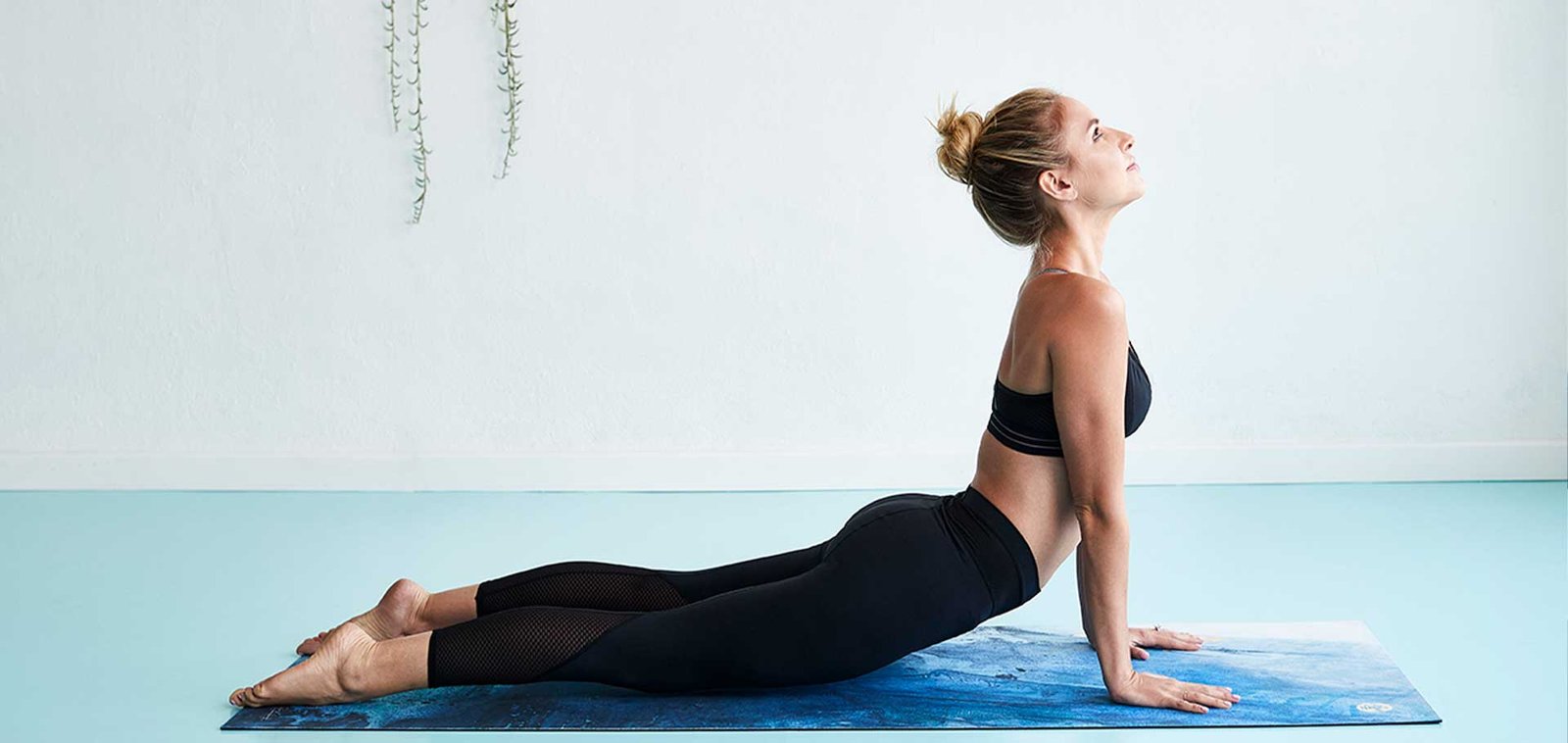
Practicing yoga at home has never been easier. A few years ago, building a consistent home practice often meant following DVDs, memorizing sequences from classes, or relying on written guides. Today, all I need is a yoga mat, a little space, and a smartphone or tablet. With the right app, I can join guided classes, learn new poses, improve my technique, and maintain a regular practice without leaving my home.
What I appreciate most about yoga apps is their flexibility. Some days I have time for a sixty-minute flow, while other days I only have fifteen minutes before work. A good app lets me choose a class that fits both my schedule and my goals, whether I want to build strength, improve flexibility, reduce stress, or simply relax before bed. In this guide, I will explore the best yoga apps for guided home practice, explain what makes each one unique, and share tips for selecting the right app for your experience level and lifestyle.
Why Use a Yoga App?
One of the biggest advantages of yoga apps is convenience. I can practice early in the morning, during a lunch break, or late in the evening without worrying about studio schedules or travel time. That flexibility has made it much easier for me to stay consistent throughout the year.
Most yoga apps also offer an impressive variety of classes. Instead of following the same routine repeatedly, I can choose from beginner lessons, advanced flows, meditation sessions, breathing exercises, restorative yoga, strength-focused classes, and flexibility programs. This variety keeps my practice interesting while allowing me to focus on specific goals.
Another benefit is affordability. Many yoga apps cost less than attending a single studio class each month, while some provide free content that is surprisingly comprehensive. For anyone building a home practice, they offer excellent value.
Features Worth Looking For
Before downloading an app, I pay attention to a few important features. Clear instruction is at the top of my list because proper guidance helps me maintain good alignment and reduces the risk of injury. Experienced instructors who explain poses carefully make a noticeable difference.
I also look for customizable programs. Being able to filter classes by duration, difficulty, yoga style, or physical focus helps me find the right session without wasting time searching. Whether I need a quick stretch or a full-body workout, those filters make navigation much easier.
Offline access is another feature I appreciate. Downloading classes allows me to practice even when I do not have a reliable internet connection, making it easier to maintain consistency while traveling.
Down Dog
Down Dog has become one of my favorite yoga apps because no two sessions feel exactly alike. The app generates new sequences each time, preventing the practice from becoming repetitive.
I also enjoy the level of customization it offers. I can select class length, difficulty level, yoga style, pace, and areas of focus, creating a session that matches exactly how I feel on any given day.
Whether I want a gentle recovery session or a more demanding workout, Down Dog provides enough flexibility to keep my practice fresh and engaging.
Glo
Glo offers one of the largest libraries of yoga, meditation, and mindfulness classes available through a single platform. The variety makes it suitable for beginners as well as experienced practitioners looking to expand their skills.
I appreciate that the instructors explain poses clearly while offering modifications for different ability levels. The app also includes structured programs that guide users through progressive learning rather than leaving them to choose classes randomly.
The combination of yoga and meditation makes Glo particularly appealing for anyone interested in supporting both physical and mental well-being.
Alo Moves
Alo Moves provides professionally produced classes taught by experienced instructors across multiple yoga styles. In addition to yoga, the platform includes Pilates, strength training, flexibility, and mobility programs.
One feature I enjoy is the wide range of skill-specific courses. Instead of simply following general classes, I can work toward goals such as improving handstands, increasing flexibility, or mastering more advanced poses.
The high-quality video production also makes following each class easy, even for beginners who benefit from seeing clear demonstrations.
Yoga Studio
Yoga Studio combines guided classes with the option to create personalized routines. This flexibility allows me to follow structured programs while also building sequences tailored to my own preferences.
The app organizes classes according to difficulty, duration, and physical focus, making navigation straightforward. Whether I want a quick morning stretch or a longer evening session, finding an appropriate class takes only a few moments.
Its user-friendly design makes it particularly welcoming for people who are new to practicing yoga at home.
Asana Rebel
Asana Rebel blends traditional yoga with functional fitness, creating workouts that emphasize both flexibility and strength. The classes often feel more energetic than those found in many traditional yoga apps.
I enjoy using Asana Rebel when I want a session that raises my heart rate while still incorporating yoga-inspired movement. It offers programs focused on flexibility, core strength, balance, and overall fitness.
For users who enjoy combining yoga with more active workouts, this app provides an appealing alternative to conventional yoga platforms.
Daily Yoga
Daily Yoga offers one of the largest collections of guided classes for beginners and experienced practitioners alike. The app includes yoga programs, meditation, breathing exercises, and wellness challenges that encourage regular practice.
Its structured learning paths help beginners build confidence gradually instead of jumping into advanced classes too quickly. I appreciate having a clear progression that develops skills over time.
The supportive community features also provide extra motivation by allowing users to track progress and participate in challenges.
Yoga for Beginners
Sometimes simplicity is exactly what I need, and Yoga for Beginners delivers that experience. The app focuses on introducing fundamental poses, breathing techniques, and basic sequences without overwhelming new practitioners.
The lessons are easy to follow and move at a comfortable pace. Clear explanations make it easier to understand proper alignment before progressing to more challenging classes.
For anyone completely new to yoga, this app offers a welcoming place to begin building confidence.
Nike Training Club
Although not exclusively a yoga app, Nike Training Club includes an excellent collection of yoga sessions alongside strength, mobility, and recovery workouts.
I find it especially useful because I can combine yoga with other forms of exercise inside one application. On strength-training days, I often finish with one of its guided mobility or recovery sessions.
The app also provides professional instruction while remaining free, making it an attractive option for people looking to expand their fitness routine.
Apple Fitness+
Apple Fitness+ includes yoga among its growing collection of guided workouts. The instructors present classes that range from beginner-friendly sessions to more advanced flows, with new content added regularly.
One advantage is its seamless integration with Apple devices, allowing users to monitor workout metrics while following the class. The production quality remains consistently high, making each session enjoyable to follow.
For people already invested in the Apple ecosystem, Fitness+ provides a convenient way to include yoga in a broader wellness routine.
YouTube
Although it is not a dedicated yoga app, YouTube deserves recognition because of the enormous number of free yoga classes available. Many experienced instructors publish full-length sessions covering nearly every yoga style and experience level.
I appreciate the ability to search for specific goals such as morning yoga, bedtime relaxation, flexibility training, or beginner flows. With so much content available, it is easy to find classes that match almost any schedule or fitness objective.
The main challenge is choosing reliable instructors. Reading reviews and exploring established yoga channels helps ensure a positive learning experience.
Tips for Choosing the Right Yoga App
The best app depends on personal goals rather than popularity alone. If I am completely new to yoga, I prioritize clear instruction and beginner programs. More experienced practitioners may benefit from apps offering advanced classes or specialized training.
I also consider how much time I realistically have available. Apps that allow me to filter by class length make it easier to fit yoga into busy days. Even a twenty-minute session becomes worthwhile when it aligns with my schedule.
Free trials have also helped me make better decisions. Exploring an app before committing to a subscription gives me a chance to evaluate the instructors, class variety, and overall user experience.
Getting the Most Out of Home Practice
Consistency has always been more valuable than perfection. I try to practice several times each week rather than waiting for the perfect opportunity. Short sessions completed regularly produce better long-term results than occasional marathon workouts.
Creating a comfortable practice space also improves the experience. A supportive mat, enough room to move freely, and minimal distractions allow me to focus entirely on the instructor and my breathing.
Finally, I remind myself that progress takes time. Yoga is not about mastering advanced poses as quickly as possible. Building strength, flexibility, and confidence through steady practice leads to more meaningful and lasting improvements.
Common Mistakes to Avoid
One mistake is selecting classes that are far beyond my current ability level. Starting with beginner or intermediate sessions allows me to develop proper technique before attempting more advanced poses.
Another common mistake is relying solely on the screen without paying attention to my own body. Even with excellent instruction, I need to recognize my limits and modify poses whenever necessary. Comfort and proper alignment should always come before achieving a particular shape.
Skipping warm-ups or final relaxation is another habit worth avoiding. These parts of the class prepare the body for movement and allow it to recover afterward, making the entire practice safer and more effective.
Final Thoughts
A quality yoga app can transform almost any room into a personal yoga studio. With expert instruction, flexible scheduling, and thousands of guided classes available at the touch of a screen, maintaining a consistent home practice has become more accessible than ever.
The best yoga apps for guided home practice offer more than convenience. They provide structured learning, motivation, and the flexibility to practice at your own pace. Whether you are taking your first yoga class or looking to deepen an established practice, the right app can help you stay committed, improve your skills, and enjoy the many physical and mental benefits that yoga has to offer.