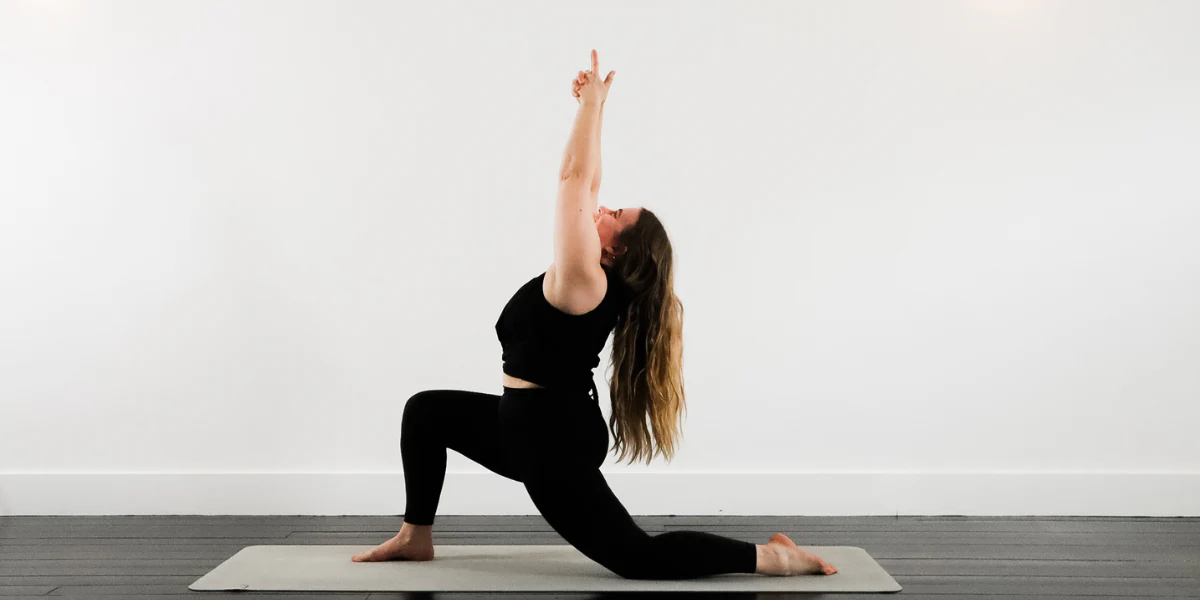
Walking into the world of yoga for the first time can feel surprisingly overwhelming. I quickly realized that yoga is not a single practice but a collection of styles, each offering a unique experience. Some classes are energetic and physically demanding, while others focus on stillness, relaxation, or meditation. At first, I assumed all yoga classes followed the same format, but after exploring different approaches, I discovered that each style serves a different purpose.
Finding the right type of yoga became much easier once I understood what each one was designed to accomplish. Instead of following trends or choosing classes randomly, I learned to match my practice with my goals. Whether I wanted to improve flexibility, build strength, reduce stress, or simply slow down after a busy day, there was always a style that suited my needs. In this guide, I will explain the most popular types of yoga, how they differ from one another, and who may benefit most from each practice.
Why There Are So Many Yoga Styles
Yoga has developed over thousands of years, and as it spread throughout the world, different teachers and traditions introduced their own methods and philosophies. Some styles emphasize physical movement, while others place greater importance on breathing, meditation, or spiritual awareness.
I have found that this variety is actually one of yoga’s greatest strengths. Rather than forcing everyone into the same routine, yoga offers options that accommodate different fitness levels, personalities, schedules, and health goals. Someone looking for an intense workout may prefer a completely different class from someone seeking relaxation before bedtime.
Exploring multiple styles has also helped me become a more well-rounded practitioner. Each approach teaches different skills, and many of them complement one another surprisingly well.
Hatha Yoga
Hatha yoga is often recommended for beginners because it introduces foundational poses at a comfortable pace. Classes usually focus on learning proper alignment, breathing techniques, and basic movements without rushing from one posture to another.
When I first explored Hatha yoga, I appreciated having enough time to understand each pose before moving on. Instead of feeling pressured to keep up, I could concentrate on developing good technique and body awareness.
Although Hatha classes are generally gentle, they still provide meaningful improvements in strength, flexibility, balance, and posture, making them an excellent foundation for any yoga journey.
Vinyasa Yoga
Vinyasa yoga connects movement with breathing through continuous sequences that flow smoothly from one pose to the next. Every inhale and exhale guides a transition, creating a practice that feels energetic and rhythmic.
I enjoy Vinyasa whenever I want a session that combines cardiovascular activity with flexibility and strength. The constantly changing sequences keep each class interesting while challenging both coordination and endurance.
Because instructors often design unique flows, no two Vinyasa classes feel exactly the same. That variety keeps the practice engaging even after years of experience.
Ashtanga Yoga
Ashtanga yoga follows a structured series of poses performed in the same order during every practice. The consistency allows practitioners to measure progress while gradually building strength, flexibility, and stamina.
I appreciate the discipline that Ashtanga encourages. Repeating the same sequence makes it easier to notice improvements in technique, breathing, and overall confidence.
The physical demands are greater than many beginner styles, making Ashtanga well suited for people who enjoy routine and are looking for a more challenging practice.
Iyengar Yoga
Iyengar yoga places exceptional emphasis on precision and proper alignment. Props such as yoga blocks, straps, blankets, and bolsters are frequently used to help practitioners achieve safe positioning regardless of flexibility.
One of the things I value most about Iyengar classes is the detailed instruction. Teachers often spend extra time refining each pose, helping students develop a deeper understanding of body mechanics.
This thoughtful approach makes Iyengar yoga particularly beneficial for beginners, older adults, and anyone recovering from injuries under appropriate professional guidance.
Yin Yoga
Yin yoga focuses on long-held stretches that target connective tissues, joints, and deep muscle groups. Instead of moving continuously, practitioners remain in each pose for several minutes while breathing slowly and relaxing into the position.
Whenever I feel mentally overwhelmed or physically stiff, Yin yoga provides exactly the slower pace I need. The extended holds encourage patience while creating a calming environment that supports both flexibility and stress reduction.
Although the movements appear simple, the practice requires mindfulness and stillness that can be surprisingly rewarding.
Restorative Yoga
Restorative yoga is designed almost entirely around relaxation and recovery. Supported by bolsters, blankets, cushions, and blocks, the body remains comfortable while poses are held for extended periods with minimal muscular effort.
I often choose restorative yoga after particularly demanding weeks because it allows my body to recover while calming my mind. Instead of focusing on physical intensity, the emphasis shifts toward breathing, rest, and nervous system recovery.
Many people find restorative yoga especially helpful for managing stress, improving sleep, and supporting overall well-being.
Bikram Yoga
Bikram yoga follows a fixed sequence of twenty-six poses performed in a heated room. The elevated temperature encourages heavy sweating while increasing the challenge of maintaining focus and endurance.
The structure of Bikram classes appeals to people who enjoy consistency. Since the sequence remains the same, progress becomes easier to measure over time.
Because of the heated environment, staying properly hydrated before and after class is particularly important. Beginners should also allow themselves time to adapt gradually to the higher temperatures.
Hot Yoga
Although people sometimes confuse Hot Yoga with Bikram yoga, the two are not identical. Hot Yoga simply refers to yoga classes performed in a heated room, but instructors may teach many different styles rather than following a fixed sequence.
I enjoy occasional Hot Yoga sessions because the warmth helps my muscles feel more flexible. At the same time, the heat increases the physical challenge, requiring greater attention to hydration and pacing.
Since each studio designs its own classes, Hot Yoga experiences can vary significantly depending on the instructor.
Kundalini Yoga
Kundalini yoga combines physical postures with breathing exercises, chanting, meditation, and mindfulness practices. The overall goal extends beyond physical fitness to include mental clarity and personal awareness.
Practicing Kundalini feels noticeably different from many movement-focused yoga styles. Sessions often include repetitive breathing techniques and meditation alongside gentle physical exercises.
For people interested in exploring yoga’s philosophical and meditative traditions, Kundalini offers a unique experience.
Power Yoga
Power Yoga builds upon traditional yoga poses while emphasizing strength, endurance, and athletic movement. Classes often move quickly and include challenging transitions that elevate the heart rate.
I enjoy Power Yoga whenever I want a workout that develops muscular strength while maintaining flexibility. It combines familiar yoga poses with the intensity of a fitness-focused session.
Because of its faster pace, Power Yoga is generally better suited to practitioners who already have a basic understanding of yoga fundamentals.
Chair Yoga
Chair Yoga makes yoga accessible to people with limited mobility, balance concerns, or physical conditions that make floor-based practice difficult. Many poses are performed while sitting or using a chair for support.
One aspect I admire about Chair Yoga is its inclusiveness. It demonstrates that yoga can be adapted to suit almost anyone regardless of age or fitness level.
Despite its gentle appearance, Chair Yoga still improves flexibility, posture, circulation, and overall mobility while remaining approachable for beginners and older adults.
Prenatal Yoga
Prenatal Yoga is specifically designed to support people during pregnancy through carefully modified movements, breathing exercises, and relaxation techniques. The classes emphasize comfort, gentle strengthening, and preparation for childbirth.
The slower pace allows practitioners to remain active while respecting the physical changes that occur throughout pregnancy. Many poses focus on relieving lower back discomfort, improving posture, and encouraging healthy breathing.
Anyone considering Prenatal Yoga should seek instruction from qualified teachers who understand appropriate modifications for each stage of pregnancy.
Which Yoga Style Is Right for You?
Finding the right yoga style often depends on personal goals rather than experience alone. If I want to learn the basics, Hatha or Iyengar usually provides the strongest foundation. When I am looking for a more energetic workout, Vinyasa or Power Yoga becomes a better choice.
During stressful periods, Yin and Restorative Yoga help me slow down and recover both physically and mentally. If I am interested in improving discipline and consistency, Ashtanga offers a structured path that encourages steady progress.
The encouraging reality is that there is no rule limiting anyone to a single style. Exploring different approaches has helped me appreciate yoga from multiple perspectives while preventing my practice from becoming repetitive.
Tips for Exploring Different Styles
I always recommend trying several classes before deciding which style feels most enjoyable. A single experience may not represent the full range of what a particular approach has to offer. Different instructors also bring unique teaching methods that can greatly influence the overall experience.
Listening to my body has become equally important. Some days I benefit from an energetic flow, while other days I need slower stretches and restorative movement. Allowing my practice to match my current needs has made yoga far more sustainable.
Maintaining an open mind also helps. Occasionally, the styles I expected to enjoy the least have become the ones I return to most often.
Common Mistakes to Avoid
One common mistake is assuming that more physically demanding yoga is automatically better. Each style offers valuable benefits, and intensity alone does not determine the quality of a practice. Gentle sessions can be just as effective depending on personal goals.
Another mistake is comparing progress with other practitioners. Yoga is highly individual, and everyone develops flexibility, balance, and strength at a different pace. Focusing on personal growth creates a much more rewarding experience.
Finally, I avoid dismissing unfamiliar styles without trying them. Exploring new approaches has broadened my appreciation for yoga and introduced techniques that continue to improve both my physical health and mental well-being.
Final Thoughts
The wide variety of yoga styles means there is truly something for everyone. Whether your goal is building strength, improving flexibility, reducing stress, increasing mobility, or developing a deeper sense of mindfulness, there is a practice designed to support that journey.
Exploring the most popular types of yoga explained in this guide can help you choose classes that align with your goals while encouraging a lifelong appreciation for the practice. The best style is ultimately the one that motivates you to return to the mat consistently, allowing you to experience the many physical and mental benefits that yoga has to offer.