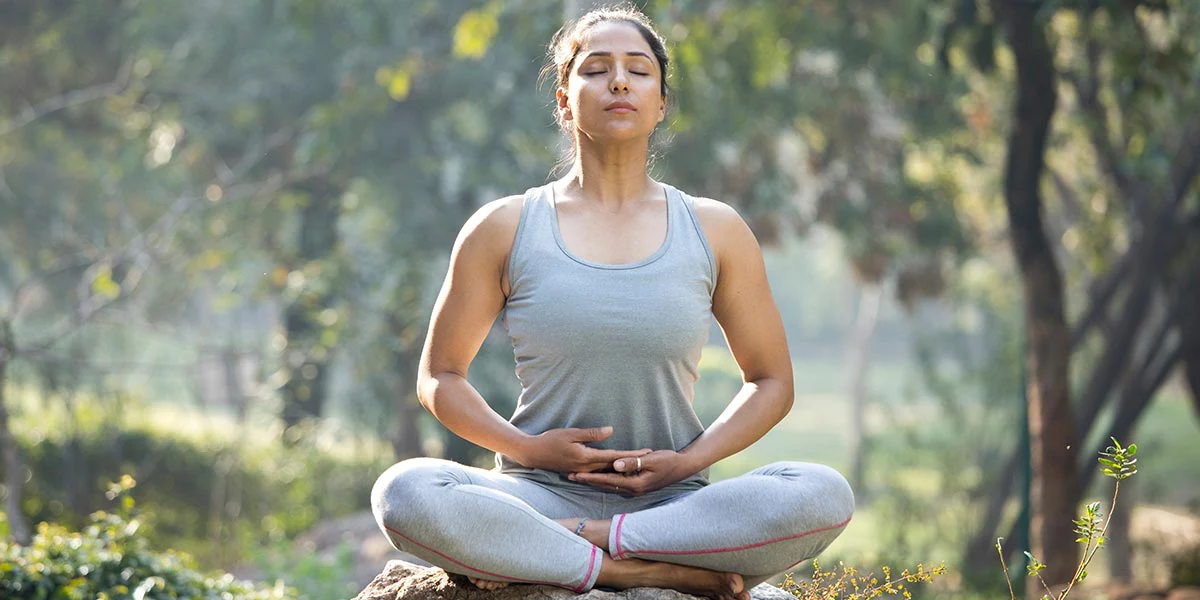
Moving freely feels effortless until the hips begin to tighten. Walking, climbing stairs, sitting for long hours, and even getting out of bed can become noticeably less comfortable when the hip joints lose their natural range of motion. I have found that yoga offers one of the most effective and enjoyable ways to restore flexibility while building the strength needed to support healthy movement for years to come.
A regular practice does far more than stretch the muscles surrounding the hips. It encourages better posture, improves balance, reduces stiffness, and helps the body move as one connected system instead of a collection of separate parts. Throughout this guide, I will share the best yoga poses to improve hip mobility, explain why each pose works, and offer practical tips that have helped me get the most from every session.
Why Hip Mobility Matters
Healthy hips influence nearly every movement I make throughout the day. They support walking, running, bending, squatting, and even standing still for long periods. When mobility decreases, other areas of the body often compensate, placing additional stress on the knees, lower back, and ankles.
Modern lifestyles rarely help. Spending hours sitting behind a desk or in a car keeps the hip flexors in a shortened position, while the surrounding muscles gradually become less flexible. Over time, simple movements that once felt natural may become restricted or uncomfortable.
Yoga provides a balanced solution because it combines flexibility with stability. Rather than stretching one muscle in isolation, each posture encourages multiple muscle groups to work together, allowing the hips to move more efficiently while remaining well supported.
Butterfly Pose
Butterfly Pose remains one of my favorite stretches for opening the inner thighs and increasing flexibility around the hips. It is gentle enough for beginners yet continues to provide benefits even after years of practice.
I sit comfortably on the floor and bring the soles of my feet together, allowing my knees to fall naturally toward the ground. Instead of forcing my legs lower, I keep my spine tall and let gravity gradually deepen the stretch. Slow breathing helps release unnecessary tension that often limits flexibility.
Holding the pose for one to two minutes creates a noticeable difference without placing excessive stress on the joints. Over time, I have found that consistency produces better results than pushing aggressively during a single session.
Low Lunge
The front of the hips often becomes tight after prolonged sitting, making the Low Lunge one of the most valuable poses in my routine. It stretches the hip flexors while strengthening the legs and improving balance.
Starting from a kneeling position, I step one foot forward and gently shift my weight until I feel a comfortable stretch along the front of the back leg. My chest stays lifted, and I avoid leaning excessively forward. This helps direct the stretch into the hip instead of the lower back.
Holding the position for several slow breaths allows the muscles to gradually relax. Repeating the stretch on both sides helps maintain balance throughout the body.
Pigeon Pose
Few yoga postures target the hips as effectively as Pigeon Pose. It reaches deep into the glutes and the muscles surrounding the outer hip, areas that frequently become tight from daily activities.
I begin on my hands and knees before bringing one knee forward behind my wrist while extending the opposite leg behind me. My hips remain as level as possible instead of rolling heavily to one side. If needed, I place a folded blanket beneath the hip for additional support.
Rather than forcing myself toward the floor, I settle into the stretch slowly while breathing steadily. Even a moderate version of the pose provides significant benefits without unnecessary discomfort.
Garland Pose
Garland Pose closely resembles a deep squat, making it one of the most practical stretches for improving everyday mobility. It opens the hips while strengthening the feet, ankles, and legs.
I stand with my feet slightly wider than hip-width apart before lowering into a squat. Bringing my palms together at my chest allows my elbows to gently encourage my knees outward without applying excessive pressure.
Remaining upright through the spine makes the stretch much more effective. If my heels lift from the floor, placing a rolled towel beneath them provides extra stability while allowing the hips to continue opening naturally.
Happy Baby Pose
Happy Baby Pose combines relaxation with a deep yet gentle hip stretch. It often serves as one of the most enjoyable ways to release tension after a long day.
Lying on my back, I bend both knees toward my chest before holding the outsides of my feet or ankles. I allow my knees to move toward the floor beside my torso while keeping my shoulders relaxed against the mat.
A gentle rocking motion from side to side adds a soothing massage for the lower back while encouraging greater mobility throughout the hips. I never force the knees downward because gradual progress leads to healthier movement over time.
Lizard Pose
Lizard Pose reaches areas that many traditional stretches fail to address. It targets the hip flexors, groin, and hamstrings while encouraging improved flexibility throughout the lower body.
From a runner’s lunge, I place both hands inside my front foot and gradually lower my hips. Depending on my flexibility, I either remain on my hands or lower onto my forearms without sacrificing proper alignment.
This pose can feel intense, so patience becomes essential. Rather than chasing the deepest stretch possible, I focus on breathing slowly and allowing the body to soften naturally.
Frog Pose
Frog Pose offers one of the deepest hip-opening stretches available in yoga. Although challenging, it can significantly improve mobility when practiced carefully and consistently.
Beginning on my hands and knees, I slowly widen my knees while keeping my ankles aligned with them. My forearms rest comfortably on the floor as I shift my hips backward until I feel a stretch through the inner thighs.
Because this posture places considerable demand on the hips, I enter and leave it slowly. Short holds often prove more effective than remaining in the pose for too long.
Cow Face Pose
Cow Face Pose stretches the outer hips differently than many other yoga postures. It also encourages improved posture by opening the shoulders when performed with the traditional arm position.
While seated, I stack one knee over the other and allow both sitting bones to remain grounded. If my hips feel especially tight, I sit on a folded blanket to maintain better alignment.
The stretch develops gradually, making steady breathing particularly valuable. After holding for several breaths, I switch sides to maintain balanced flexibility.
Reclined Figure Four Stretch
The Reclined Figure Four Stretch provides an accessible alternative to deeper hip-opening poses. It targets the glutes and piriformis while placing very little pressure on the knees or lower back.
Lying comfortably on my back, I cross one ankle over the opposite knee to form a figure four shape. Reaching behind the supporting thigh, I gently draw the legs toward my chest until I feel a comfortable stretch.
I avoid pulling aggressively because the muscles respond better to gentle, sustained pressure. Holding each side for thirty to sixty seconds allows the hips to gradually release.
Bound Angle Forward Fold
Adding a gentle forward fold to Butterfly Pose increases the stretch throughout the hips and inner thighs. The movement remains controlled rather than forceful, allowing flexibility to improve without unnecessary strain.
After bringing the soles of my feet together, I hinge forward from the hips while keeping my spine as long as possible. My hands rest comfortably on my feet or ankles without pulling my body downward.
Even a slight forward movement creates noticeable benefits. I remind myself that depth matters far less than maintaining proper form and relaxed breathing.
Half Happy Baby
Some days my hips feel too tight for the full Happy Baby Pose, making the half variation an excellent alternative. Stretching one leg at a time allows greater control while reducing overall intensity.
I lie on my back, hold one foot with the corresponding hand, and gently guide the knee toward my shoulder. The opposite leg remains extended comfortably along the floor.
This variation helps identify differences between my left and right sides. Addressing those imbalances gradually improves overall hip mobility and movement quality.
Tips for Improving Hip Mobility Safely
Consistency has made a greater difference in my flexibility than any single yoga session. Spending fifteen to twenty minutes several times each week produces steady progress while allowing the muscles and joints to adapt comfortably. Long breaks between sessions often make the hips feel stiff again, reinforcing the value of regular practice.
Proper breathing changes the entire experience. I inhale to create length through the spine and exhale to encourage the muscles surrounding the hips to relax. Holding my breath almost always increases tension, making stretches feel more difficult than they actually are.
Warm muscles respond much better than cold ones. Beginning with gentle movements such as Cat-Cow, light walking, or a few rounds of Sun Salutations prepares the hips for deeper stretches while reducing the likelihood of discomfort.
Common Mistakes to Avoid
Trying to force flexibility too quickly rarely ends well. The hips contain powerful muscles and connective tissues that require patience, and pushing beyond comfortable limits often leads to soreness instead of progress. I remind myself that gradual improvement is both safer and more sustainable.
Ignoring strength while focusing only on stretching creates another common imbalance. Strong glutes, hamstrings, and core muscles help stabilize the hips, allowing increased mobility without sacrificing joint support. Many yoga poses naturally develop both flexibility and strength at the same time.
Comparing progress with other people also makes improvement harder than it needs to be. Each body has a unique structure, and factors such as bone shape, previous injuries, and activity levels all influence mobility. I measure success by how freely my own body moves rather than how closely I match someone else’s practice.
Building a Simple Weekly Practice
A balanced routine does not require complicated sequences or lengthy sessions. I often combine Butterfly Pose, Low Lunge, Garland Pose, Pigeon Pose, Reclined Figure Four Stretch, Happy Baby, and Frog Pose into a practice lasting about twenty-five minutes. This combination targets the hips from multiple angles while allowing enough recovery between deeper stretches.
Adding gentle walking, cycling, or swimming throughout the week complements yoga beautifully. These activities encourage healthy joint movement without placing excessive stress on the hips. Together, they create an approach that supports long-term flexibility and overall mobility.
Practicing the best yoga poses to improve hip mobility consistently has transformed the way my body feels during everyday activities. Walking feels smoother, squatting becomes easier, and long hours of sitting no longer leave my hips feeling as restricted as they once did.
Final Thoughts
Flexible hips contribute to far more than comfortable yoga practice. They influence posture, athletic performance, balance, and the ease with which the body moves through daily life. Investing a few minutes several times each week can produce lasting improvements that extend well beyond the yoga mat.
The best yoga poses to improve hip mobility work because they combine gentle stretching with mindful movement and steady breathing. Progress rarely happens overnight, but patience and consistency reward every session. With time, these poses can help restore freedom of movement, reduce stiffness, and make everyday activities feel smoother, stronger, and far more enjoyable.