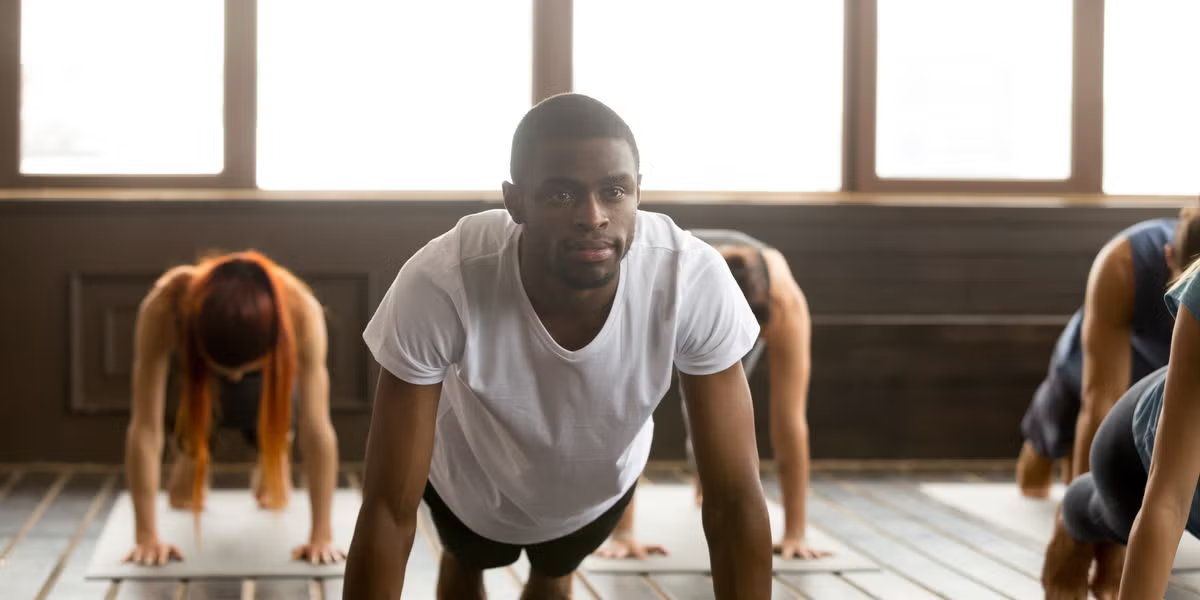
Some days seem to collect tension from the moment I wake up. Deadlines, endless notifications, long commutes, difficult conversations, and the constant pressure to keep moving can leave my body feeling tight and my mind racing long after the day is supposed to be over. Instead of carrying all that stress into the evening, I have found that stepping onto my yoga mat creates a clear boundary between the demands of the day and the peace I want to feel before bed.
I do not need an hour-long class or an advanced practice to experience that shift. A handful of carefully selected poses can calm the nervous system, loosen muscles that have been holding tension for hours, and help me breathe more deeply again. The best yoga poses for stress relief after a long day remind me that relaxation is not something I have to wait for. It is something I can actively create through gentle movement, steady breathing, and a willingness to slow down.
Why Stress Builds Up in the Body
Stress is not only a mental experience. I notice it settling into my shoulders, tightening my jaw, stiffening my hips, and shortening my breath before I even realize how overwhelmed I have become. After spending hours sitting at a desk or constantly moving from one task to another, my muscles remain in a state of subtle tension that refuses to disappear on its own.
The body responds to stressful situations by preparing for action. While this response is incredibly useful during genuine emergencies, modern life often keeps that system switched on far longer than necessary. Instead of recovering after a stressful event, many of us move directly into the next responsibility without giving our bodies a chance to reset.
Yoga creates that opportunity for recovery. Gentle stretching, mindful breathing, and slow transitions encourage the body to move away from stress mode and toward relaxation. Even a short practice can make the difference between ending the day feeling exhausted and ending it feeling restored.
Child’s Pose
Whenever I feel emotionally drained, Child’s Pose is usually the first posture I return to. The folded position naturally encourages quiet breathing while gently stretching the lower back, hips, and shoulders. It creates an immediate feeling of safety that allows my body to soften without forcing anything.
I let my knees spread comfortably apart while lowering my hips toward my heels. Stretching my arms forward gives my spine a pleasant lengthening sensation, although some evenings I prefer resting my arms beside my body for an even greater sense of surrender. Neither version feels better than the other because both encourage deep relaxation.
Remaining here for several minutes transforms the way I breathe. My inhale gradually becomes slower, my exhale grows longer, and the constant mental chatter begins to fade into the background. Sometimes this single pose is enough to completely change the mood of my evening.
Cat-Cow Stretch
Hours spent sitting often leave my back stiff and my posture compressed. Cat-Cow Stretch helps restore gentle movement throughout my spine while encouraging coordinated breathing that naturally calms my nervous system. It is one of the simplest sequences, yet it consistently delivers noticeable relief.
As I inhale, I allow my chest to lift while my belly softens toward the floor. During the exhale, I round my back, gently drawing my chin toward my chest and engaging my abdominal muscles. Moving slowly rather than rushing creates a flowing rhythm that feels almost meditative.
Instead of focusing on flexibility, I pay attention to how each movement feels. Every slow transition releases a little more tension from my neck, shoulders, and lower back until stiffness gradually gives way to comfort.
Standing Forward Fold
Stress often leaves my hamstrings tight and my lower back fatigued. Standing Forward Fold offers a gentle stretch that helps release both while encouraging my upper body to completely relax toward the floor.
I avoid worrying about touching my toes. Slightly bending my knees allows my spine to lengthen naturally without unnecessary strain. Letting my head hang freely creates a pleasant release around my neck, where I often carry the weight of stressful days.
The longer I remain still, the more gravity assists the stretch. My breathing deepens almost automatically, and the quiet sensation of hanging forward encourages both physical and mental relaxation without requiring much effort.
Legs Up the Wall Pose
Few poses feel as effortlessly calming as Legs Up the Wall. Whenever my legs feel heavy after standing or walking throughout the day, this gentle inversion becomes my favorite evening ritual.
I sit close to a wall before carefully swinging my legs upward while lowering my back onto the floor. Once settled, I allow my arms to rest comfortably by my sides with my palms facing upward. There is very little effort involved, making it an ideal posture for days when I have little energy left.
Remaining here for five to ten minutes feels remarkably restorative. My breathing naturally slows, tension begins melting from my lower body, and I often notice my thoughts becoming much quieter without trying to control them.
Seated Forward Bend
Some evenings call for slower, quieter stretches that encourage patience rather than intensity. Seated Forward Bend offers exactly that experience while gently stretching the back of the body from the calves to the spine.
Instead of pulling myself aggressively toward my feet, I imagine lengthening through my spine before gradually folding forward. This small adjustment creates a much more comfortable stretch and prevents unnecessary strain on my lower back.
With every slow exhale, I notice a little more softness developing throughout my body. The pose reminds me that flexibility grows through consistency rather than force, making it a valuable lesson both on and off the mat.
Supine Twist
Stress frequently settles into my back after long hours of sitting, making spinal twists feel especially satisfying at the end of the day. A gentle Supine Twist releases built-up tension while encouraging the body to completely relax against the floor.
Lying on my back, I draw one knee toward my chest before guiding it across my body. Extending the opposite arm creates a comfortable rotation through my spine while keeping both shoulders as relaxed as possible.
I never push deeper than my body comfortably allows. Instead, I breathe slowly and let each exhale soften the twist naturally. Repeating the pose on both sides leaves my back feeling noticeably lighter and more mobile.
Butterfly Pose
Butterfly Pose has become one of my favorite stretches for releasing tension stored in the hips. Emotional stress often manifests physically in this area, making gentle hip-opening exercises surprisingly comforting.
Bringing the soles of my feet together while allowing my knees to fall outward creates a mild stretch that gradually deepens as I relax. Sitting upright initially helps lengthen my spine before leaning slightly forward if my body feels comfortable.
Rather than bouncing my knees or forcing additional movement, I remain still and breathe steadily. The pose becomes increasingly relaxing with every passing minute, especially after particularly demanding days.
Happy Baby Pose
Despite its playful name, Happy Baby Pose provides serious relief for the lower back and hips. It also reminds me not to take my yoga practice too seriously, which can be refreshing after a stressful day.
Lying on my back, I bend my knees toward my chest and gently hold the outsides of my feet or ankles. Keeping my lower back grounded allows the stretch to remain comfortable while opening the hips.
Occasionally I gently rock from side to side, creating a subtle massage for my lower back. This small movement feels soothing and helps release lingering tension that static stretching sometimes misses.
Reclining Bound Angle Pose
Whenever I need complete relaxation, Reclining Bound Angle Pose rarely disappoints. It combines gentle stretching with effortless stillness, allowing my body to rest without completely falling asleep.
Lying on my back, I bring the soles of my feet together while letting my knees open comfortably to each side. Supporting the knees with pillows or folded blankets makes the position even more accessible and encourages longer relaxation.
Remaining here for several minutes allows my breathing to become slower and deeper. Instead of focusing on stretching, I simply allow gravity to do the work while enjoying the sense of openness throughout my hips and chest.
Corpse Pose
Many people assume Corpse Pose is simply lying down, but I have learned that it is one of the most important parts of any yoga session. It gives my body time to absorb the benefits of every movement that came before it.
I stretch my legs comfortably apart and let my arms rest naturally beside me with my palms facing upward. Closing my eyes helps minimize distractions while encouraging complete stillness from head to toe.
During these final minutes, I resist the temptation to think about tomorrow’s responsibilities. Instead, I bring my attention back to my breath whenever my mind wanders. I almost always finish feeling calmer, lighter, and better prepared for restful sleep.
Breathing Makes Every Pose More Effective
The physical postures are only part of what makes yoga so effective for stress relief. Breathing slowly and intentionally transforms each pose from a simple stretch into a calming practice for both body and mind. Without mindful breathing, many of the relaxing effects become far less noticeable.
I try to inhale through my nose for a steady count before exhaling just a little longer. Lengthening the exhale encourages my body to relax naturally without requiring extra effort. Even difficult days begin to lose their intensity after several minutes of slow breathing.
Whenever my thoughts become scattered, returning my attention to each inhale and exhale provides an anchor. Instead of replaying stressful conversations or worrying about tomorrow, I become fully present in the moment, which is often exactly what I need before ending the day.
Building an Evening Yoga Habit
Consistency matters far more than perfection. I have discovered that practicing for fifteen or twenty minutes several evenings each week provides greater benefits than attempting a long session once in a while. Small habits are easier to maintain and gradually become part of a healthy routine.
Preparing a peaceful environment also helps. I dim the lights, silence unnecessary notifications, and sometimes play soft instrumental music. These simple changes signal to my brain that work has ended and relaxation has begun.
Some evenings I complete every pose on my list, while other nights I practice only three or four before heading to bed. I never treat yoga as another task that must be completed perfectly. Instead, I let it become a form of self-care that meets me exactly where I am each day.
Common Mistakes That Reduce Relaxation
Trying to stretch too deeply often creates unnecessary tension rather than relieving it. I remind myself that yoga is not a competition, and forcing flexibility rarely leads to better results. Gentle, comfortable movement almost always leaves me feeling more refreshed.
Holding my breath is another mistake I occasionally catch myself making. Deep, steady breathing supports every pose and allows my muscles to release tension naturally. Whenever I notice shallow breathing, I slow down instead of pushing harder.
Skipping the final relaxation is equally tempting when I feel busy, but it is usually the part my body needs most. Spending even five quiet minutes in stillness helps reinforce the calming effects of the entire practice and makes it much easier to transition into a peaceful evening.
Final Thoughts
Stress may be an unavoidable part of modern life, but carrying it long after the day has ended does not have to become my normal routine. A gentle evening practice offers an opportunity to release physical tension, calm racing thoughts, and reconnect with my breath before sleep. The more consistently I practice, the more naturally my body begins to shift from constant alertness into genuine relaxation.
The best yoga poses for stress relief after a long day are not about achieving perfect alignment or advanced flexibility. They are about creating space to slow down, breathe deeply, and let go of everything that no longer needs my attention. Whether I have ten minutes or half an hour, these poses remind me that peace often begins with one deliberate breath and one simple movement.