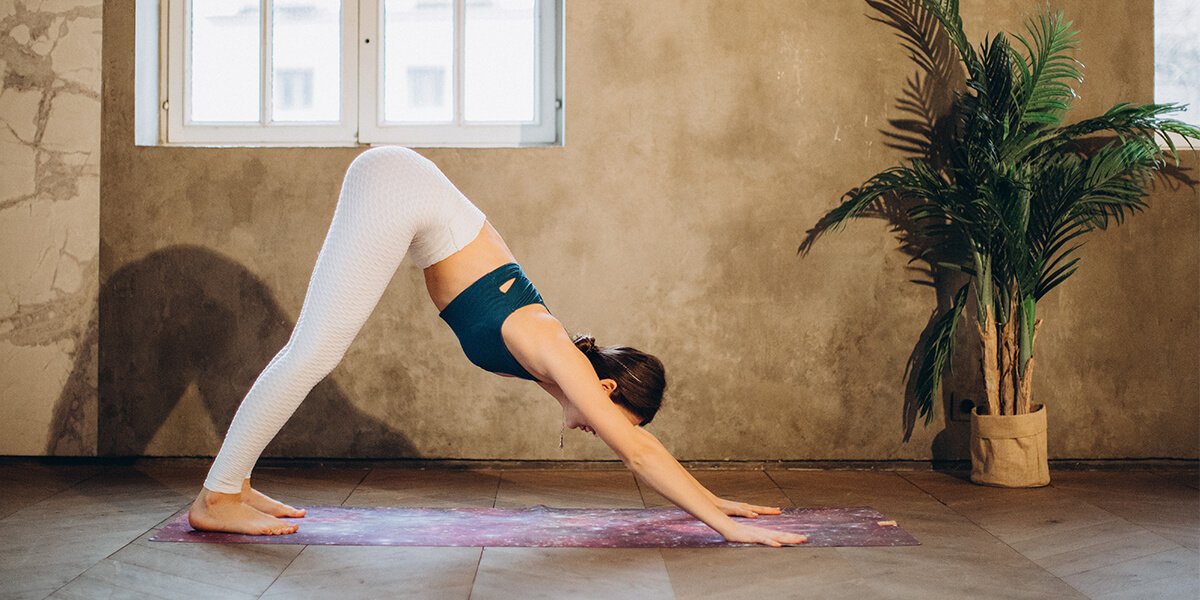
Back pain has a way of changing the entire rhythm of my day. Even simple activities like getting out of bed, sitting at a desk, driving, or carrying groceries can become frustrating when my back feels stiff or sore. Instead of moving freely, I find myself thinking about every twist, bend, and step because discomfort follows me wherever I go.
After trying different ways to ease the tension, I discovered that gentle yoga consistently gave me the greatest relief. It did not promise instant results, and it certainly did not erase every ache overnight, but it helped me move with less pain, better posture, and far more confidence. Practicing yoga for back pain has become one of the most valuable habits in my daily routine because it focuses on restoring movement instead of simply masking discomfort.
Why Back Pain Happens So Often
Back pain rarely appears without a reason. I notice it after spending too many hours sitting, lifting objects carelessly, sleeping in awkward positions, or simply carrying stress throughout the day. My shoulders tighten, my hips become stiff, and eventually my lower back begins compensating for everything else.
Modern lifestyles encourage long periods of sitting, and that creates a perfect environment for stiffness to develop. Weak core muscles, tight hamstrings, limited hip mobility, and poor posture all place additional pressure on the spine. Over time, those small habits combine to create persistent discomfort that becomes difficult to ignore.
What surprised me most was realizing that the painful area was not always the actual problem. Sometimes my lower back hurt because my hips were tight. Other times my shoulders and neck contributed to tension that spread throughout my spine. Yoga helped me see my body as one connected system rather than a collection of isolated muscles.
How Yoga Supports a Healthier Back
Gentle yoga encourages movement without excessive impact. Instead of forcing my body into uncomfortable positions, I move slowly enough to notice where I am holding tension. That awareness allows me to stretch areas that have become stiff while strengthening muscles that support my spine.
Another benefit is improved posture. Spending time on my yoga mat makes me much more aware of how I stand, sit, and walk throughout the day. Those small adjustments continue helping my back long after the practice has ended.
Perhaps the greatest advantage is consistency. Ten or fifteen minutes of mindful movement several times each week has given me better results than occasional intense stretching sessions. Small improvements accumulate over time, gradually reducing stiffness and increasing comfort.
Child’s Pose
Whenever my lower back feels tight, Child’s Pose is the first stretch I reach for. The gentle forward fold creates a pleasant lengthening sensation throughout my spine without placing unnecessary pressure on my joints. It also encourages my breathing to slow, which naturally helps my muscles relax.
I lower my hips toward my heels while extending my arms comfortably in front of me. Some days I prefer resting my arms beside my body because it allows my shoulders to relax even more. I never force my hips downward, allowing my body to settle naturally instead.
Remaining in this pose for several minutes often provides immediate relief. My back feels less compressed, and the tension I carried into the practice gradually begins to fade.
Cat-Cow Stretch
Few movements improve spinal mobility as effectively as Cat-Cow Stretch. After sitting for several hours, this gentle sequence restores flexibility while encouraging coordinated breathing.
As I inhale, I lift my chest and soften my belly toward the mat. During the exhale, I round my spine while gently drawing my chin toward my chest. Matching each movement with my breath creates a calming rhythm that feels almost therapeutic.
Rather than rushing through several repetitions, I move slowly enough to notice each section of my spine. That attention helps release stiffness from my neck all the way to my lower back.
Bird Dog
Strength is just as important as flexibility when managing back pain. Bird Dog helps strengthen my core and back muscles while improving balance and stability.
Starting on my hands and knees, I slowly extend one arm forward and the opposite leg behind me. Keeping my hips level requires concentration, making this exercise surprisingly effective without feeling aggressive.
I hold the position briefly before returning to the starting point and switching sides. The slow pace allows me to focus on control rather than speed, which helps protect my lower back.
Cobra Pose
Cobra Pose gently strengthens the muscles that support my spine while opening my chest after long hours of sitting. It feels especially beneficial on days when my posture has been less than ideal.
Lying on my stomach, I place my hands beneath my shoulders before gently lifting my chest. I avoid pushing too high because my goal is comfort rather than achieving a dramatic backbend.
Holding the pose for several breaths creates a pleasant feeling of openness across my chest and front body. At the same time, my back muscles become stronger without excessive strain.
Sphinx Pose
Whenever my back feels particularly sensitive, Sphinx Pose provides many of the same benefits as Cobra while requiring less effort. Resting on my forearms creates a gentle extension through my spine that feels supportive instead of demanding.
I focus on lengthening through the crown of my head rather than pushing my lower back into a deeper arch. That simple adjustment keeps the stretch comfortable while encouraging better posture.
Remaining still allows my muscles to gradually adapt to the position. By the time I leave the pose, my lower back often feels noticeably looser.
Bridge Pose
Bridge Pose strengthens my glutes, hamstrings, and core, all of which help support a healthier back. Weak muscles in these areas often force the lower back to work harder than necessary.
Pressing my feet firmly into the mat, I slowly lift my hips while keeping my shoulders relaxed. I avoid lifting as high as possible because steady control feels much more effective.
After several repetitions, I notice improved stability throughout my hips and lower body. That increased strength carries over into everyday movements like standing, walking, and lifting.
Supine Twist
Twisting gently helps restore mobility throughout my spine after a long day. Supine Twist has become one of my favorite evening stretches because it combines relaxation with effective spinal movement.
Lying comfortably on my back, I draw one knee across my body while extending the opposite arm outward. I keep both shoulders as relaxed as possible instead of forcing them to remain flat.
Each exhale encourages my muscles to soften naturally. Repeating the stretch on both sides leaves my entire back feeling refreshed.
Knees-to-Chest Pose
Simple movements often produce the greatest relief, and Knees-to-Chest Pose proves that beautifully. Bringing both knees toward my chest gently stretches my lower back while reducing feelings of compression.
I wrap my arms around my legs without pulling aggressively. Sometimes I gently rock from side to side, creating a soothing massage along my lower spine.
This posture feels especially comforting first thing in the morning or before bed. Even a minute or two can noticeably reduce stiffness.
Reclining Pigeon Pose
Tight hips frequently contribute to lower back discomfort. Reclining Pigeon Pose gently opens the hips without placing unnecessary pressure on the knees.
Lying on my back, I cross one ankle over the opposite knee before drawing my legs toward my chest. The stretch remains comfortable because my back stays fully supported throughout.
As my hips gradually relax, I often notice tension disappearing from my lower back as well. The connection between these areas becomes more obvious with each practice.
Legs Up the Wall
Legs Up the Wall may appear simple, but it consistently helps my entire body unwind after physically demanding days. Elevating my legs reduces fatigue while encouraging complete relaxation.
I position myself beside a wall before carefully extending my legs upward. Resting my arms comfortably beside my body allows me to remain in the pose with almost no muscular effort.
Five to ten quiet minutes here often feel like the perfect ending to my routine. My breathing slows naturally, and my back enjoys complete relief from supporting my body weight.
Corpse Pose
Corpse Pose allows everything I practiced beforehand to settle into my body. Instead of rushing to finish, I remain completely still while focusing on slow, natural breathing.
Lying comfortably on my back, I allow my feet to fall outward and my arms to rest naturally beside me. Closing my eyes removes unnecessary distractions while helping my entire body relax.
These final moments often become the most restorative part of the practice. My muscles soften completely, and I stand feeling lighter than when I began.
Habits That Protect My Back
Yoga has helped my back tremendously, but the benefits extend beyond the mat. I now pay much closer attention to my posture while sitting at my desk and avoid remaining in one position for hours without standing up.
I also make an effort to strengthen my core regularly because those muscles provide valuable support for my spine. Simple daily habits often have a greater long-term impact than occasional intense workouts.
Another lesson I have learned is to move more frequently throughout the day. Even brief walks and gentle stretching breaks prevent stiffness from building before it becomes painful.
Mistakes That Can Make Back Pain Worse
Trying to stretch too aggressively often creates more discomfort instead of relief. I remind myself that gentle, controlled movement produces better results than forcing difficult poses. Listening to my body’s signals has become one of the most valuable skills yoga has taught me.
Holding my breath during stretches is another mistake I occasionally notice. Deep breathing encourages my muscles to relax naturally, allowing stretches to become both safer and more effective.
Ignoring pain is equally important to avoid. Mild stretching sensations are completely different from sharp or worsening pain. Whenever something feels wrong, I stop immediately and adjust the movement instead of pushing through it.
Building a Routine That Lasts
The biggest improvement came after I stopped expecting instant results. Practicing consistently for fifteen or twenty minutes several times each week gradually transformed the way my back felt throughout the day. Those small sessions became easier to maintain than long, demanding workouts.
I also learned to adapt my routine depending on how my body felt. Some mornings I focused on gentle stretching, while other days I added strengthening exercises like Bird Dog and Bridge Pose. That flexibility kept the practice enjoyable and sustainable.
Most importantly, yoga taught me patience. Healing rarely happens in dramatic leaps, but steady progress eventually produces noticeable change. Looking back, I realize those small improvements accumulated into a back that feels stronger, more mobile, and far more comfortable than before.
Final Thoughts
Living with back pain can make even ordinary activities feel exhausting, but consistent movement has completely changed my perspective. Instead of fearing discomfort, I now have a collection of gentle yoga poses that help reduce stiffness, improve posture, and strengthen the muscles supporting my spine. Each practice reminds me that recovery often begins with slow, mindful movement rather than intense effort.
Yoga for back pain has become much more than a stretching routine. It has taught me to listen to my body, move with greater awareness, and build healthy habits that protect my back long after I leave the mat. Whether the discomfort comes from long hours at a desk, physical work, or everyday stress, these poses continue to provide reliable relief and help me move through life with greater comfort and confidence.