Breathing is something I do every second of every day without giving it much thought. It happens naturally, quietly, and without effort, which is probably why I never considered how much influence it has over my energy, focus, and overall well-being. That perspective changed the moment I began paying attention to the way I breathed during yoga instead of treating it as something that simply happened in the background.
The Ultimate Beginner’s Guide to Yoga Breathing became an important part of my yoga journey because I quickly realized that every pose feels different when it is supported by slow, controlled breathing. Yoga is not only about stretching muscles or improving balance. Breath acts as the connection between movement and mindfulness, helping the body relax while allowing the mind to become calmer and more focused. Once I learned how to breathe intentionally, my practice became smoother, more enjoyable, and far more rewarding.
Why Breathing Is the Foundation of Yoga
Before I understood yoga breathing, I assumed flexibility and strength were the most important skills to develop. While both certainly matter, I discovered that breathing influences every movement I make on the mat. Slow, steady breaths help my muscles relax naturally, making stretches feel more comfortable instead of forced.
Breathing also affects how I respond to physical effort. During challenging poses, my natural instinct was to hold my breath without realizing it. That habit only increased tension throughout my body and made balancing more difficult. Once I focused on maintaining calm breaths, even demanding poses became easier to manage.
Another benefit became obvious after only a few weeks of practice. Conscious breathing quieted the constant stream of thoughts running through my mind. Rather than worrying about work or planning the rest of my day, I found myself fully present during each yoga session.
Breathing Through the Nose
One of the first lessons I learned was to breathe through my nose whenever possible. Nasal breathing naturally slows the flow of air, giving my lungs more time to absorb oxygen while encouraging deeper, steadier breaths.
Breathing through my nose also helps warm and filter the air before it reaches my lungs. That small detail makes breathing feel smoother, especially during longer yoga sessions or cooler mornings.
Although breathing through the mouth occasionally becomes necessary during intense exercise, yoga encourages calmness rather than urgency. Keeping my breath gentle and controlled supports the relaxed state I want to maintain throughout my practice.
Connecting Breath With Movement
Yoga became much easier once I stopped thinking about breathing and movement as separate actions. Instead, I began allowing each breath to guide every transition from one pose to another.
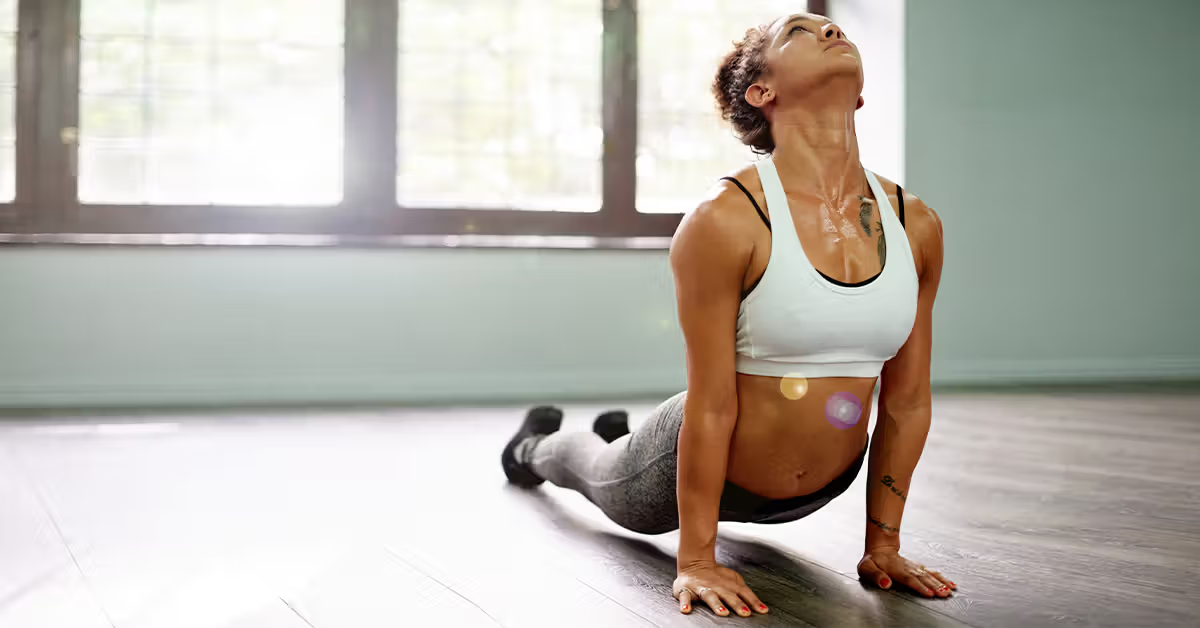
Generally, I inhale while opening or lengthening my body. Raising my arms overhead, lifting my chest into Cobra Pose, or extending my spine all feel natural during an inhale. The expanding movement matches the feeling of drawing fresh air into my lungs.
Exhaling usually accompanies folding, twisting, or relaxing deeper into a stretch. Breathing out while moving forward into a fold helps release unnecessary tension and encourages my muscles to soften naturally.
Belly Breathing for Beginners
Belly breathing, sometimes called diaphragmatic breathing, became one of the most valuable techniques I learned. Instead of breathing only into my chest, I focus on allowing my abdomen to expand gently with each inhale.
I often practice this while lying comfortably on my back with one hand resting on my chest and the other on my stomach. Feeling my lower hand rise first reminds me that my diaphragm is doing most of the work rather than my shoulders or upper chest.
This style of breathing immediately creates a sense of relaxation. My heart rate slows, my shoulders loosen, and my body feels more prepared for gentle stretching or meditation.
Avoid Holding Your Breath
Without realizing it, I often held my breath whenever I attempted a difficult pose. Whether balancing on one leg or stretching deeply, I unconsciously created tension by forgetting to breathe.
Holding the breath limits oxygen flow and causes muscles to tighten instead of relax. That reaction works against everything yoga is designed to accomplish. Once I became aware of the habit, correcting it made an immediate difference.
Now, whenever I notice myself holding my breath, I simply pause for a moment before continuing. Resetting my breathing usually improves the pose more effectively than trying harder.
Ujjayi Breathing
One breathing technique I enjoy practicing is Ujjayi breathing, often called Ocean Breath because of the soft sound it creates. By slightly narrowing the back of my throat while breathing through my nose, I produce a gentle, steady sound similar to waves reaching the shore.
The sound helps me stay focused throughout my practice. Instead of allowing my thoughts to wander, I listen to the rhythm of my own breathing, which creates a calming, almost meditative experience.
I avoid forcing the sound or making it overly loud. A quiet, relaxed breath remains much more effective than exaggerated effort.
Counting Each Breath
Counting my breaths became an excellent way to improve concentration. Rather than allowing my thoughts to drift toward unfinished tasks, I quietly count each inhale and exhale while moving through my practice.
Sometimes I inhale for four counts and exhale for four counts. On particularly stressful days, extending the exhale to six counts helps encourage even greater relaxation.
This simple technique also prevents rushed breathing. Maintaining an even rhythm keeps my movements controlled instead of hurried.
Breathing During Common Yoga Poses
Mountain Pose provides an excellent opportunity to practice deep breathing without worrying about balance or flexibility. Standing tall while taking slow breaths allows me to notice my posture and establish a calm rhythm before beginning the rest of my practice.
During Downward-Facing Dog, I focus on maintaining smooth breaths despite the mild challenge of supporting my body weight. Relaxing my shoulders while breathing steadily makes the pose much more comfortable.
Child’s Pose becomes my favorite place to reconnect with my breath whenever I feel distracted or fatigued. Resting quietly while breathing into my lower back creates an incredible sense of calm before continuing.
Common Breathing Mistakes
Breathing too quickly was one of my earliest mistakes. Rapid, shallow breaths made my muscles feel tense and reduced my ability to stay focused during yoga sessions.
Another mistake involved lifting my shoulders with every inhale. Deep breathing should begin from the diaphragm rather than relying on muscles around the neck and shoulders. Keeping those areas relaxed allows breathing to feel much more natural.
Trying to force extremely deep breaths also proved unnecessary. Comfortable, controlled breathing consistently delivers better results than exaggerated inhalations that create tension.
Practicing Outside the Yoga Mat
Yoga breathing does not have to end once the session is finished. I often use the same slow breathing techniques while sitting at my desk, waiting in traffic, or preparing for an important meeting.
During stressful situations, returning to calm breathing helps prevent anxiety from becoming overwhelming. Even one minute of mindful breathing can noticeably change my mood and improve my concentration.
Before going to bed, I sometimes spend several minutes focusing only on slow inhales and longer exhales. This simple habit helps quiet my thoughts and prepares my body for restful sleep.
Building Confidence Through Consistency
Like every aspect of yoga, breathing becomes easier with regular practice. During my first few sessions, coordinating movement and breath felt awkward because I had to think carefully about every inhale and exhale.
Gradually, those patterns became automatic. Instead of consciously reminding myself when to breathe, my body naturally synchronized movement with each breath. That consistency made my practice feel smoother and significantly more enjoyable.
I also stopped worrying about achieving perfect technique. Small improvements over time proved far more valuable than expecting immediate mastery. Simply returning to my mat and practicing regularly allowed my breathing to become calmer and more controlled.
Tips for Making Yoga Breathing a Daily Habit
Setting aside just five minutes each morning has helped breathing exercises become part of my routine. I sit comfortably, close my eyes, and focus entirely on slow, even breaths before beginning the rest of my day.
Practicing in a quiet environment also improves concentration. Reducing distractions allows me to notice subtle changes in my breathing without constantly shifting my attention elsewhere.
Most importantly, I remind myself that progress happens gradually. Some days my breathing feels effortless, while other days my mind wanders repeatedly. Accepting those differences has made the practice much more enjoyable and sustainable.
Final Thoughts
Breathing may seem like the simplest part of yoga, yet it has become the element that transformed my entire practice. Slow, intentional breaths create a stronger connection between my body and mind, making every stretch, balance, and movement feel more controlled and purposeful. Instead of rushing through poses, I have learned to let each breath guide the experience.
The Ultimate Beginner’s Guide to Yoga Breathing is ultimately about developing awareness rather than striving for perfection. By practicing belly breathing, coordinating movement with each inhale and exhale, and remaining patient with the learning process, I have discovered a calmer and more enjoyable way to practice yoga. The poses certainly matter, but the breath is what brings them to life, making each session feel balanced, mindful, and deeply rewarding.