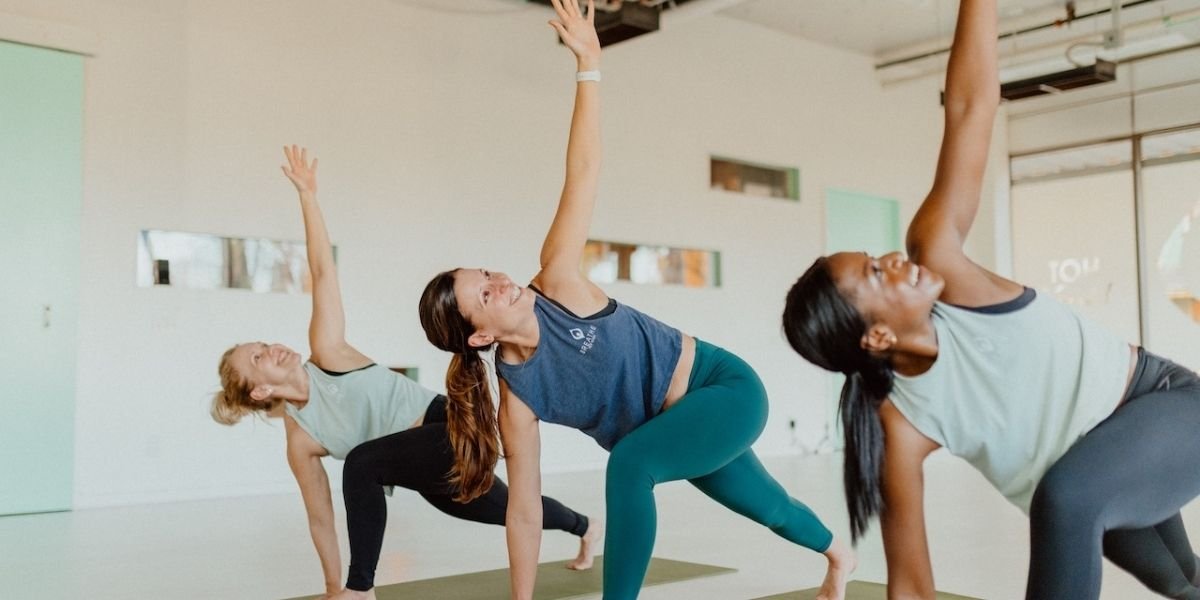
Improving flexibility became one of my biggest fitness goals, but I quickly realized there were two popular approaches that people often talked about interchangeably. Some recommended a daily stretching routine, while others insisted yoga offered far greater benefits. At first, I assumed they were essentially the same thing, but after practicing both consistently, I discovered they provide very different experiences.
Yoga vs Stretching: What’s the Difference? is a question many beginners ask before deciding where to begin. Although both involve lengthening muscles and improving mobility, they differ in purpose, structure, and the way they affect both the body and the mind. Exploring each approach helped me understand when stretching is enough and when yoga offers something much deeper.
Why People Often Confuse Yoga and Stretching
It is easy to understand why yoga and stretching seem identical at first glance. Both include movements that lengthen muscles, increase flexibility, and help relieve stiffness after long hours of sitting or physical activity.
Watching someone perform yoga from a distance may even look like an ordinary stretching routine. Many yoga poses resemble familiar stretches used before or after workouts, making the distinction difficult for beginners.
The biggest differences become noticeable once I actually practice them. Yoga combines breathing, mindfulness, balance, strength, and controlled movement into one complete system, while stretching usually focuses only on improving muscle flexibility.
What Stretching Is Designed to Do
Stretching primarily aims to improve the flexibility of muscles and tendons. Whether I stretch before exercise or after a long workday, the goal is usually to reduce tightness and increase my range of motion.
A simple stretching routine often targets specific muscles. For example, I may stretch my hamstrings after running or loosen my shoulders after spending hours at a computer. The movements are straightforward and usually isolated to one area of the body.
Stretching also helps prepare muscles for activity or encourages recovery afterward. It is an effective tool for maintaining mobility and reducing feelings of stiffness throughout the day.
What Makes Yoga Different
Yoga certainly improves flexibility, but that is only one part of the practice. Every session combines movement with controlled breathing, concentration, posture, and mental awareness. Instead of focusing solely on muscles, yoga encourages my entire body and mind to work together.
Many yoga poses also strengthen muscles while stretching them. Holding Warrior Pose, Plank, or Chair Pose challenges my balance and stability, making yoga feel like both flexibility training and strength training at the same time.
The breathing aspect changed my perspective more than anything else. Paying attention to slow, steady breaths transformed yoga into a calming experience rather than simply another workout.
Comparing Flexibility Benefits
Both yoga and stretching improve flexibility, but they often achieve it in different ways. Traditional stretching typically targets one muscle group at a time, allowing me to focus on areas that feel particularly tight.
Yoga often stretches multiple muscles simultaneously. Downward-Facing Dog, for example, lengthens my hamstrings, calves, shoulders, and spine within a single pose. That full-body approach makes my movements feel more connected.
Over time, I found yoga produced flexibility that felt more functional because it improved the way different parts of my body worked together instead of treating each muscle separately.
Strength Is a Major Difference
One thing that surprised me about yoga was how much strength it develops. Holding poses requires muscles to support my body weight, improving stability throughout my core, legs, arms, and back.
Stretching rarely creates the same level of muscular engagement. While it certainly benefits flexibility, it generally does not challenge strength in the same way yoga does.
After several months of practicing yoga, I noticed improvements in posture and balance that simple stretching alone had never produced.
The Role of Breathing
Breathing plays a central role in yoga. Every inhale and exhale guides my movement, helping me remain calm while encouraging my muscles to relax naturally.
During ordinary stretching, I sometimes forgot about my breathing altogether. Although breathing deeply certainly improves any stretch, it is not usually emphasized in traditional flexibility routines.
Learning to synchronize my breathing with movement made yoga feel almost meditative. Instead of simply stretching muscles, I found myself becoming more aware of how my entire body responded.
Mental Benefits Beyond Flexibility
Stretching certainly helps me feel physically better, but yoga consistently provides greater mental benefits. Slowing my breathing while focusing on each movement helps reduce stress and quiet the constant stream of thoughts that often fill my mind.
Even a short yoga session leaves me feeling calmer than I did before beginning. The combination of movement, breathing, and concentration creates a refreshing mental reset that extends beyond the mat.
Stretching can certainly feel relaxing, especially after exercise, but it rarely produces the same sense of mindfulness that yoga naturally encourages.
Which One Burns More Calories?
If calorie burning is the primary goal, yoga generally offers a greater advantage than basic stretching. Active styles of yoga involve continuous movement and require muscles to remain engaged throughout the session.
Traditional stretching usually involves holding positions with relatively little muscular effort. As a result, energy expenditure tends to remain lower compared to many forms of yoga.
That said, I never view yoga solely as a calorie-burning activity. The improvements in strength, flexibility, posture, and mental well-being have proven far more valuable than the number of calories burned during each practice.
Which Is Better for Beginners?
Both yoga and stretching are beginner-friendly when approached gradually. If my only goal is to loosen tight muscles after physical activity, a basic stretching routine may be all I need.
Yoga becomes the better choice when I want a complete practice that improves flexibility, balance, strength, breathing, and relaxation simultaneously. Starting with beginner poses allows me to develop confidence without feeling overwhelmed.
The most important factor is consistency. Whether stretching or practicing yoga, regular movement produces better results than occasional intense sessions.
Can You Combine Yoga and Stretching?
I eventually realized I did not need to choose one over the other. Stretching and yoga complement each other beautifully when used together as part of a balanced fitness routine.
Some days I complete a full yoga session to improve overall mobility and reduce stress. On other days, I spend only ten minutes stretching areas that feel especially tight after strength training or long periods of sitting.
Combining both approaches gives me the flexibility to meet my body’s needs without following rigid rules.
Common Myths About Yoga and Stretching
One common misconception is that yoga is only for naturally flexible people. My experience has shown the opposite. Practicing yoga gradually improved my flexibility, even though I began with very limited mobility.
Another myth suggests stretching always prevents injuries. While flexibility certainly contributes to healthy movement, proper warm-ups, strength, and good technique all play equally important roles.
Some people also believe yoga is simply stretching with different names for the poses. After spending time practicing both, I can confidently say yoga offers a much broader experience that includes physical, mental, and emotional benefits.
How I Decide Which One to Do
The choice often depends on how my body feels that particular day. After an intense workout, I usually prefer targeted stretching because it allows me to focus on tired muscles that need extra attention.
During stressful weeks, yoga becomes my first choice because it helps both my body and mind relax. The breathing exercises alone make me feel noticeably calmer before the session even ends.
Sometimes I combine the two by beginning with yoga and finishing with a few additional stretches for specific areas. That combination has become one of my favorite recovery routines.
Making Either Routine a Lasting Habit
Whether I choose yoga or stretching, consistency remains the key to long-term progress. Practicing a few times each week produces noticeable improvements in flexibility, posture, and comfort during everyday activities.
I also avoid setting unrealistic expectations. Flexibility develops gradually, and comparing my progress with others only distracts me from appreciating my own improvements.
Most importantly, I focus on enjoying the process. Once movement became something I looked forward to rather than another obligation, maintaining the habit became much easier.
Final Thoughts
Yoga and stretching share many similarities, but they are far from identical. Stretching provides an effective way to improve flexibility and reduce muscle tightness, making it a valuable part of any fitness routine. Yoga builds upon those same benefits while adding strength, balance, breathing techniques, and mindfulness to create a more complete practice.
Yoga vs Stretching: What’s the Difference? ultimately comes down to what you hope to achieve. If your goal is simply to loosen tight muscles, stretching may be enough. If you want to improve flexibility while also strengthening your body, reducing stress, enhancing balance, and developing greater body awareness, yoga offers a more comprehensive path. For me, combining both has created the perfect balance, allowing me to move more freely while feeling stronger, calmer, and healthier every day.