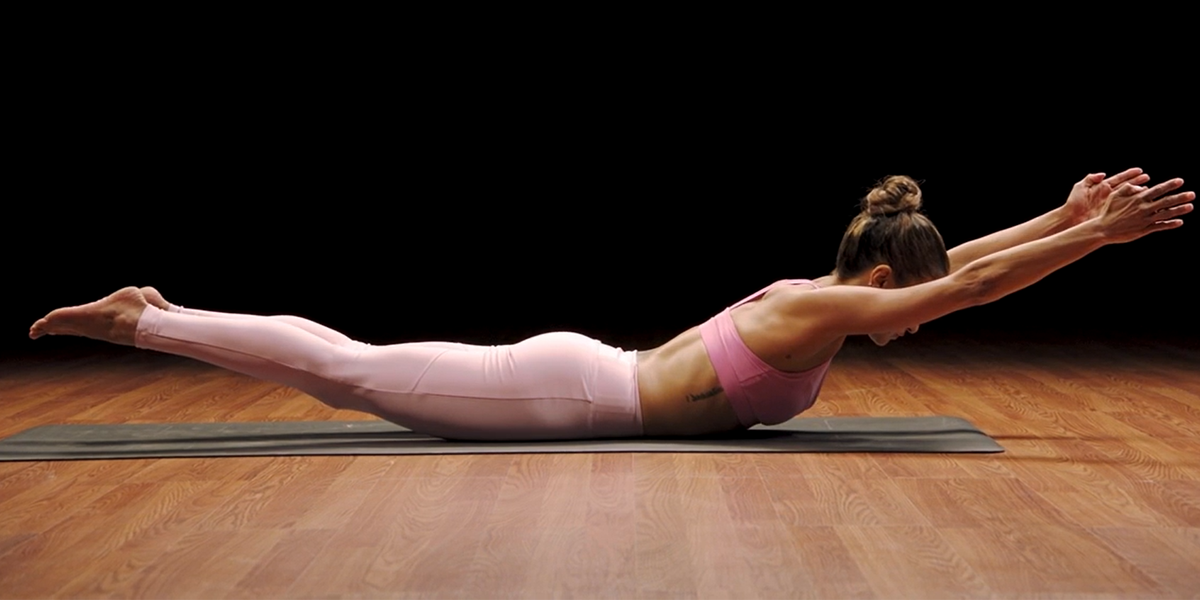
High blood pressure often develops quietly, giving few warning signs while placing extra strain on the heart and blood vessels. Many people discover they have elevated blood pressure during a routine medical checkup rather than because they felt unwell. That reality made me realize how important it is to build daily habits that support heart health before serious problems develop.
Among those habits, yoga has become one of the most valuable additions to my routine. I did not begin practicing with blood pressure in mind, but over time I noticed that my stress levels decreased, my breathing became slower, and I felt much calmer throughout the day. Naturally, I began asking the same question many people ask: can yoga help lower blood pressure? The answer is encouraging, especially when yoga becomes part of a healthy lifestyle rather than a quick fix.
What Blood Pressure Really Means
Before I appreciated yoga’s role in heart health, I wanted to understand what blood pressure actually measures. Simply put, it reflects the force of blood pushing against the walls of my arteries as my heart pumps blood throughout my body. Healthy blood pressure allows oxygen and nutrients to reach every organ efficiently without placing unnecessary strain on the cardiovascular system.
Problems arise when that pressure remains consistently too high. The heart must work harder than normal, and over time the extra strain can increase the risk of heart disease, stroke, kidney disease, and other serious health conditions. Because high blood pressure often develops without noticeable symptoms, it is frequently called a silent condition.
Learning this motivated me to think beyond medication alone. While medication is essential for many people, lifestyle choices such as regular exercise, healthy eating, stress management, and quality sleep also play an important role in supporting healthy blood pressure.
The Connection Between Stress and Blood Pressure
Stress may not be the only cause of high blood pressure, but it certainly influences how my body responds throughout the day. During stressful moments, my heart beats faster, my muscles tighten, and my breathing becomes shorter. Those temporary changes are completely normal, but when stress becomes constant, my body spends far too much time in a heightened state.
I noticed that stressful weeks often left me feeling physically tense even after work had ended. My shoulders stayed tight, my jaw remained clenched, and my mind struggled to slow down before bed. Yoga gave me a practical way to interrupt that pattern before it became my normal routine.
While yoga cannot eliminate every source of stress, it changes how I respond to challenging situations. Slower breathing, mindful movement, and quiet reflection help reduce the physical effects of stress, which may contribute to healthier blood pressure over time.
What Research Says About Yoga and Blood Pressure
One of the reasons I continued practicing was the growing body of research supporting yoga’s cardiovascular benefits. Studies suggest that regular yoga may help lower blood pressure, particularly when it combines gentle physical movement with breathing exercises and relaxation techniques.
Researchers believe these improvements occur because yoga encourages activation of the parasympathetic nervous system, often referred to as the body’s “rest and digest” mode. As the nervous system relaxes, heart rate may slow, stress hormone levels can decrease, and blood vessels may become more relaxed.
I appreciate that most experts describe yoga as part of a broader treatment plan rather than a replacement for medical care. For people with hypertension, combining yoga with healthy nutrition, regular physical activity, weight management, and prescribed medication when necessary often provides the greatest benefit.
Deep Breathing Sets the Foundation
The first thing I focus on during yoga is not stretching but breathing. Slow, controlled breathing immediately changes how my body feels. Instead of rushing through shallow breaths, I allow each inhale to fill my lungs comfortably before extending my exhale.
Longer exhalations encourage my body to relax naturally. I often notice my heart rate slowing after only a few minutes, while my shoulders begin releasing tension that I did not even realize I was holding.
This breathing practice has become useful outside yoga as well. Whenever I feel overwhelmed, returning to slow, steady breathing helps prevent stress from taking complete control.
Child’s Pose
Child’s Pose creates an immediate sense of calm that makes it an ideal starting point for a heart-friendly yoga practice. Folding forward allows my back, hips, and shoulders to relax while encouraging slow, comfortable breathing.
I remain here for several minutes without worrying about stretching deeply. Instead, I focus entirely on allowing my body to soften with every breath.
This gentle posture reminds me that relaxation itself is productive. Slowing down is not wasted time when it supports both physical and emotional health.
Cat-Cow Stretch
Cat-Cow Stretch restores gentle movement throughout my spine while encouraging coordinated breathing. The flowing motion feels particularly helpful after long hours spent sitting at a desk.
Each inhale lifts my chest, while every exhale rounds my back. Synchronizing movement with breath creates a peaceful rhythm that gradually quiets my mind.
Rather than rushing through multiple repetitions, I move slowly enough to enjoy each transition. That slower pace supports relaxation far more effectively than fast movement.
Seated Forward Bend
Forward bends naturally encourage introspection and stillness. Seated Forward Bend stretches my back and hamstrings while helping me focus inward instead of becoming distracted by the outside world.
I never force myself to reach my feet. Maintaining a long spine and breathing comfortably provides a much more relaxing experience than chasing flexibility.
Several quiet breaths in this position often leave me feeling noticeably calmer than when I began.
Legs Up the Wall
Few yoga poses feel as restorative as Legs Up the Wall. Elevating my legs after a busy day allows my entire body to relax while requiring almost no physical effort.
I position myself beside a wall before extending my legs upward. Resting comfortably on the floor allows my breathing to slow naturally without distraction.
Five to ten minutes in this pose often feels like pressing a reset button after a stressful day. My mind becomes quieter, and my body feels lighter.
Reclining Bound Angle Pose
This posture combines gentle stretching with complete relaxation. Lying on my back while allowing my knees to open comfortably creates a feeling of openness across my hips and chest.
Supporting my legs with cushions makes the pose even more comfortable for longer holds. Comfort remains my priority because tension works against the calming effects I am trying to achieve.
Remaining here encourages complete stillness. Instead of thinking about my schedule, I simply focus on breathing slowly.
Corpse Pose
Corpse Pose may appear simple, but it consistently becomes the most relaxing part of my practice. It allows my muscles to release completely while giving my nervous system time to settle.
Lying comfortably with my arms beside my body, I close my eyes and breathe naturally. I make no effort to control my thoughts, gently returning my attention to my breathing whenever my mind wanders.
Those final quiet minutes often become the highlight of my session. I leave feeling calmer, lighter, and mentally refreshed.
Lifestyle Habits That Work Alongside Yoga
Yoga provides meaningful support, but I have learned that heart health depends on many daily habits working together. Regular physical activity, balanced nutrition, maintaining a healthy body weight, limiting excess sodium, avoiding smoking, moderating alcohol intake, and getting enough sleep all contribute to healthier blood pressure.
Managing stress outside my yoga sessions has also become important. Spending time outdoors, connecting with family and friends, reading, or simply taking quiet breaks throughout the day helps prevent stress from constantly accumulating.
Most importantly, I continue attending regular medical checkups. Monitoring blood pressure provides valuable information about whether my healthy habits are making a difference and whether additional treatment is necessary.
Common Mistakes to Avoid
One mistake I see frequently is expecting yoga to replace medical treatment. While yoga offers many health benefits, it should complement medical advice rather than substitute for prescribed medications or professional care.
Another mistake is practicing vigorous yoga immediately after experiencing unusually high blood pressure without consulting a healthcare provider. Gentle, restorative styles are often more appropriate, especially for beginners or those with uncontrolled hypertension.
I also avoid rushing through my practice. Fast movements and constant transitions reduce the calming effects that make yoga so beneficial for relaxation and cardiovascular health.
Making Yoga a Sustainable Habit
The greatest improvements have come from consistency rather than intensity. Practicing for twenty or thirty minutes several times each week has been much easier to maintain than occasional long sessions.
I also remind myself that yoga is not a competition. Some days I feel energetic, while other days I simply focus on breathing and gentle stretching. Both types of sessions contribute to my overall well-being.
Removing pressure has made the practice enjoyable enough to continue long term. That consistency is where meaningful health benefits are most likely to develop.
Final Thoughts
Can yoga help lower blood pressure? Based on current research and my own experience, it certainly has the potential to become a valuable part of a heart-healthy lifestyle. By encouraging slower breathing, reducing stress, improving relaxation, and supporting overall physical activity, yoga creates conditions that may contribute to healthier blood pressure over time.
I have come to appreciate yoga as much more than a form of exercise. It encourages mindful living, healthier daily habits, and a calmer response to life’s challenges. While it should never replace professional medical care for high blood pressure, it can become an effective partner alongside proper treatment, balanced nutrition, regular exercise, and consistent medical guidance in supporting long-term cardiovascular health.