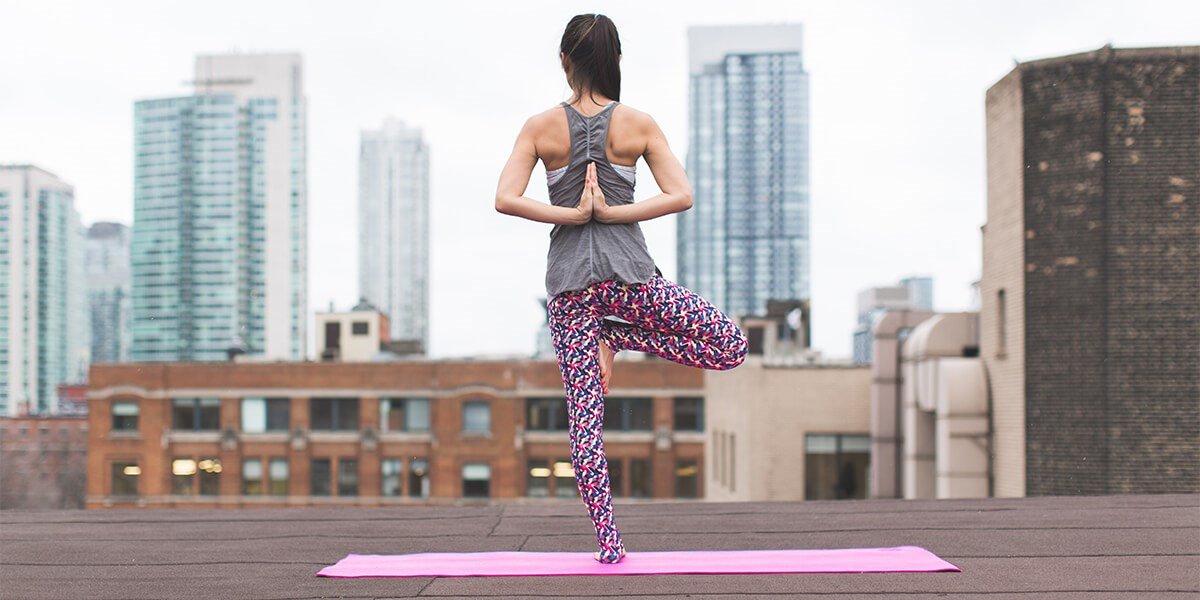
The busiest part of my day is rarely the hardest. What challenges me most is slowing down after everything is finished. My body may be sitting on the couch, but my thoughts are still moving through unfinished emails, conversations, responsibilities, and plans for tomorrow. That constant mental activity can make genuine relaxation feel surprisingly difficult.
I eventually realized that rest does not simply happen because the clock says it is evening. My body and mind need a transition, and yoga has become that bridge. Practicing the best evening yoga routine for deep relaxation has helped me replace tension with calm, rushed breathing with slow inhales, and restless evenings with moments that feel peaceful from beginning to end.
Why an Evening Yoga Routine Makes a Difference
Stress has a way of accumulating quietly throughout the day. I often do not notice how tight my shoulders have become or how shallow my breathing is until I finally stop moving. Hours of sitting, standing, driving, working, and constantly reacting to life’s demands leave subtle tension throughout my entire body.
Instead of expecting that tension to disappear on its own, I now make space to release it intentionally. Yoga encourages me to move slowly enough to notice where my body is holding stress. As my muscles soften, my thoughts usually become quieter as well, making relaxation feel natural rather than forced.
Another reason I value an evening practice is that it creates a healthy boundary between work and personal time. Once I step onto my mat, I stop thinking about productivity and begin focusing on recovery. That simple shift has improved not only my evenings but also the way I feel the following morning.
Preparing the Space
I have learned that my surroundings influence the quality of my practice more than I expected. Bright lights, loud televisions, and constant phone notifications make it difficult for my mind to settle. Before beginning, I dim the lights, silence unnecessary distractions, and make sure my yoga mat is ready.
I do not believe an evening routine requires expensive equipment or a perfectly decorated room. A quiet corner with enough space to stretch comfortably is more than enough. Sometimes I light a candle or play soft instrumental music, but even complete silence works beautifully when I want to hear nothing except my own breathing.
This small preparation becomes part of the ritual itself. My brain gradually recognizes these familiar steps as signals that the busy part of the day has ended. By the time I begin moving, I already feel noticeably calmer.
Starting With Gentle Breathing
Before stretching a single muscle, I spend several minutes focusing only on my breath. It amazes me how often I discover that I have been breathing quickly and shallowly without realizing it. Simply slowing my breathing immediately changes how my body feels.
I inhale deeply through my nose, allowing my ribs to expand comfortably rather than forcing a dramatic breath. My exhale lasts slightly longer than my inhale, encouraging my nervous system to settle. Within only a few rounds of breathing, my heart rate usually begins slowing naturally.
This quiet beginning reminds me that yoga is not about rushing into poses. It is about arriving fully in the present moment before asking my body to move.
Child’s Pose
Child’s Pose is always the first posture in my evening practice because it instantly feels comforting. Folding forward allows my back, hips, and shoulders to relax while encouraging slower breathing. Instead of stretching aggressively, I simply allow gravity to do most of the work.
Some evenings I stretch my arms forward to lengthen my spine. Other nights I rest my arms beside my body, which creates an even stronger feeling of surrender. I let my forehead rest comfortably against the mat and remain still for several minutes.
By the time I leave this posture, I already feel different. The tension I carried into the room has begun fading, and my breathing feels noticeably deeper than when I started.
Cat-Cow Stretch
After sitting for much of the day, my spine always appreciates gentle movement. Cat-Cow Stretch restores mobility without requiring much effort. It also encourages me to synchronize each movement with my breathing.
As I inhale, I gently lift my chest while allowing my belly to soften toward the mat. During the exhale, I round my spine and tuck my chin toward my chest. Rather than moving quickly, I let each transition unfold slowly.
The flowing rhythm feels almost meditative. Instead of thinking about flexibility, I pay attention to how each movement releases stiffness from my neck, shoulders, and lower back.
Standing Forward Fold
Standing Forward Fold creates one of the most satisfying stretches in my evening routine. Letting my upper body hang freely encourages immediate relaxation throughout my neck and shoulders. I often notice tension disappearing without any conscious effort.
I keep my knees slightly bent instead of trying to keep my legs perfectly straight. That adjustment protects my lower back while allowing my spine to lengthen comfortably. I never worry about touching my toes because the goal is relaxation rather than achieving a particular shape.
Remaining still for several breaths creates a wonderful feeling of heaviness. My muscles gradually stop resisting the stretch, allowing gravity to gently deepen the pose on its own.
Low Lunge
Much of my day is spent sitting, which leaves my hips feeling stiff by evening. A gentle Low Lunge helps reverse that tightness while opening the front of my hips. The stretch feels especially welcome after hours spent at a desk.
I move carefully into the posture, making sure my front knee remains comfortably aligned. Rather than forcing the stretch, I simply breathe deeply and allow my hips to soften naturally.
Repeating the pose on both sides restores balance throughout my lower body. Walking afterward always feels lighter and more comfortable.
Butterfly Pose
Butterfly Pose encourages my hips to relax without requiring complicated movements. Sitting with the soles of my feet together creates a gentle stretch that gradually deepens the longer I remain still.
I avoid bouncing my knees or trying to push them toward the floor. Instead, I trust that patience will accomplish far more than force ever could. The slower I breathe, the more my body naturally relaxes.
This posture also encourages quiet reflection. Without distractions, I become aware of how differently my body feels compared to the beginning of the practice.
Seated Forward Bend
Seated Forward Bend naturally slows my pace. Instead of focusing on how far I can reach, I concentrate on lengthening my spine before gently folding forward.
Some evenings I barely lean forward at all, while other days my body allows a deeper stretch. I have stopped judging those differences because they simply reflect how my body feels on a particular day.
The stillness of this pose has become one of my favorite parts of the entire routine. My breathing becomes steady, my shoulders soften, and my thoughts gradually become less demanding.
Supine Twist
A gentle spinal twist always helps release the final traces of tension from my back. Lying comfortably on the floor, I bring one knee across my body while extending the opposite arm outward.
I never force the twist deeper than feels comfortable. Instead, I imagine each exhale gently encouraging my muscles to soften. This simple approach consistently produces better results than trying to stretch aggressively.
Repeating the twist on both sides leaves my spine feeling refreshed. I often hear gentle pops through my back, followed by a wonderful sense of release.
Legs Up the Wall
Few yoga poses feel as restorative as Legs Up the Wall. After spending the entire day on my feet or sitting at a desk, elevating my legs creates immediate relief.
I position myself close to a wall before carefully swinging my legs upward. Resting my arms comfortably beside my body allows complete relaxation without any muscular effort.
Five or ten minutes here can completely transform my mood. My breathing slows naturally, my legs feel lighter, and my mind becomes remarkably quiet.
Reclining Bound Angle Pose
This posture combines gentle stretching with complete support. Lying on my back while allowing my knees to fall outward creates a subtle opening through my hips and chest.
If my hips feel particularly tight, I place cushions beneath my knees. Supporting my body allows me to remain in the pose longer without discomfort. Comfort always takes priority over intensity during an evening practice.
Remaining here reminds me that stillness has value. I do not need constant movement to experience meaningful relaxation.
Corpse Pose
No evening yoga routine feels complete without Corpse Pose. Although it appears simple, it gives my body the opportunity to absorb everything that happened during the practice.
I lie comfortably on my back with my feet relaxed outward and my arms resting naturally beside me. Closing my eyes helps eliminate unnecessary distractions while allowing my attention to settle completely on my breathing.
During these final minutes, I resist planning tomorrow or reviewing today’s events. I simply breathe, remain still, and enjoy the rare feeling of asking absolutely nothing from myself.
Breathing Throughout the Practice
The poses certainly help me unwind, but breathing remains the foundation of my evening routine. Slow, controlled breaths transform simple stretches into deeply restorative experiences.
Whenever I notice my breathing becoming shallow, I slow my movements instead of pushing harder. That adjustment immediately changes the quality of my practice. Instead of chasing flexibility, I return my attention to calm, steady breathing.
This habit extends beyond yoga as well. Whenever stressful situations arise during the day, I naturally return to the same breathing techniques I practice each evening.
Making the Routine Sustainable
One lesson I have learned is that consistency matters far more than perfection. Practicing for twenty minutes most evenings produces better results than waiting for the perfect opportunity to complete a lengthy session.
I also allow my routine to evolve depending on how I feel. Some evenings I complete every pose, while other nights I spend extra time in only two or three postures that my body seems to need most.
Removing pressure has made yoga much more enjoyable. Instead of treating it like another task on my schedule, I view it as a gift I give myself before ending the day.
Common Mistakes to Avoid
Trying to stretch too deeply is one mistake I see repeatedly, and I have been guilty of it myself. Evening yoga is meant to encourage relaxation, not test flexibility. Gentle movements consistently leave me feeling better than forcing uncomfortable positions.
Another mistake is rushing from one pose to the next. My most relaxing sessions happen when I allow plenty of time between transitions. Moving slowly gives both my body and mind time to settle.
Skipping the final relaxation may save a few minutes, but it often reduces the benefits of the entire practice. Those quiet moments at the end are where I notice the greatest sense of peace.
Final Thoughts
The best evening yoga routine for deep relaxation has become far more than a collection of stretches. It is a daily ritual that allows me to leave the demands of the day behind and prepare both my body and mind for genuine rest. Instead of carrying stress into the night, I now have a simple practice that helps me release it one breath at a time.
I have learned that relaxation is not something that simply appears when life becomes less busy. It grows through small, consistent habits that encourage stillness, patience, and mindful movement. Returning to this routine evening after evening reminds me that even on the busiest days, I can always create a few peaceful moments before sleep, and those moments often become the most valuable part of my day.