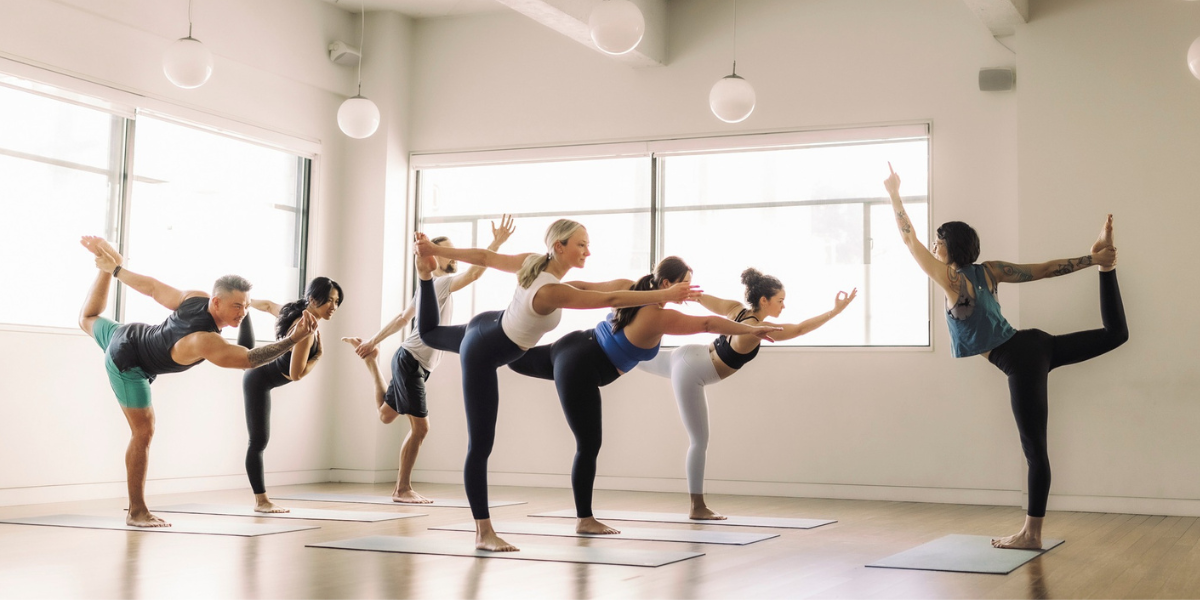
Practicing yoga at home has become one of the easiest ways for me to stay consistent, even on the busiest days. I no longer have to worry about commuting to a studio or adjusting my schedule around class times. Instead, I can roll out my mat whenever I have a few quiet minutes and enjoy a practice that fits my needs. The experience becomes even more rewarding when I have a space that feels calm, organized, and inviting.
A home yoga space does not have to be large or expensive to be effective. I have discovered that thoughtful planning matters much more than square footage or elaborate décor. A small corner with enough room to move comfortably can become a peaceful retreat that encourages regular practice. In this guide, I will explain how to create the perfect home yoga space, covering everything from choosing the right location to selecting equipment, improving the atmosphere, and maintaining a space that supports both physical and mental well-being.
Start With the Right Location
The first decision I make is where my yoga space will be. Ideally, I look for an area that offers enough room to stretch my arms and legs freely without worrying about furniture or other obstacles. Feeling unrestricted allows me to move confidently through standing poses, floor exercises, and transitions.
Natural light is always a welcome feature if it is available. Practicing near a window creates a bright and uplifting atmosphere while helping me feel more connected to the outside world. Morning sunlight, in particular, adds warmth and energy that makes the practice even more enjoyable.
Privacy also plays an important role. I prefer a space where interruptions are less likely, allowing me to focus completely on my breathing and movement. Even if I share my home with family or roommates, choosing a quieter area helps create a greater sense of relaxation.
Make Sure You Have Enough Space
A yoga practice should never feel cramped. Before settling on a location, I lay my yoga mat on the floor and check that I have enough room to extend my arms in every direction. This simple test quickly shows whether the space will support a comfortable practice.
Ceiling height is another consideration that is easy to overlook. Certain poses require raising the arms overhead, and I want to avoid bumping into light fixtures or low shelves. A clear vertical space allows movement to feel unrestricted.
The room does not need to be dedicated solely to yoga. A bedroom corner, living room, home office, or even a quiet section of a basement can work beautifully as long as it provides enough freedom to move comfortably.
Select a Supportive Yoga Mat
The yoga mat is the foundation of my practice, so I choose one that provides both comfort and stability. A mat with good grip helps prevent slipping during standing poses, while adequate cushioning protects my joints during kneeling and seated movements.
The thickness of the mat depends on personal preference. A thinner mat often provides greater stability for balance poses, while a thicker option offers extra comfort for sensitive knees or wrists. Finding the right balance has made a noticeable difference in the quality of my practice.
Keeping the mat clean also contributes to a more enjoyable experience. Wiping it down regularly removes sweat and dust while extending its lifespan.
Gather Essential Yoga Props
Although yoga can be practiced with little equipment, a few simple props greatly improve comfort and accessibility. I keep yoga blocks nearby because they help me maintain proper alignment when flexibility is limited. They allow me to modify poses without compromising good technique.
A yoga strap is another useful addition. It extends my reach during stretches, making poses more accessible while reducing unnecessary strain. Instead of forcing my body into a position, the strap helps me move gradually and safely.
Bolsters and folded blankets also deserve a place in my yoga space. They provide support during restorative poses, meditation, and gentle stretching sessions. Even regular household pillows can serve a similar purpose when specialized props are unavailable.
Create a Calm Atmosphere
The environment around me has a significant influence on the quality of my practice. I prefer keeping my yoga space uncluttered because visual distractions often make it harder to focus. A tidy area naturally feels more peaceful and inviting.
Soft, neutral colors contribute to a relaxing atmosphere without overwhelming the senses. While elaborate decorations are unnecessary, adding a few personal touches such as a favorite plant, framed artwork, or a simple candle can make the space feel more welcoming.
I also avoid filling the room with unnecessary furniture or storage items. Leaving open space around my mat creates a sense of freedom that encourages relaxed movement.
Pay Attention to Lighting
Lighting can completely change the mood of a yoga session. During the day, I enjoy practicing with natural sunlight whenever possible because it creates an uplifting and energizing environment.
For evening sessions, softer lighting helps signal that it is time to unwind. Warm lamps often feel more relaxing than bright overhead lights, especially during restorative yoga or meditation. The goal is to create a setting that matches the type of practice I plan to do.
If I want complete flexibility, I use adjustable lighting that allows me to switch between brighter conditions for active sessions and softer illumination for slower practices.
Improve Air Quality
Fresh air always enhances my yoga practice. Opening a window whenever the weather allows creates better airflow while making the room feel more comfortable. Clean air also makes deep breathing exercises more enjoyable.
If natural ventilation is limited, I sometimes use a fan to keep air circulating. Maintaining a comfortable temperature prevents overheating during active sequences while ensuring restorative sessions remain relaxing.
Houseplants can also contribute to a fresher environment while adding a calming visual element to the room. Although they are not essential, they help create a more peaceful atmosphere.
Keep Your Yoga Equipment Organized
A clutter-free yoga space encourages regular practice because everything I need is already within reach. I store my mat, blocks, straps, and blankets together so I can begin a session without searching for equipment.
Simple baskets, shelves, or storage bins work well for organizing yoga accessories. Even a small cabinet or decorative box can keep the area neat while protecting equipment from dust.
Returning each item to its place after every session has become a habit that keeps the space ready for the next practice.
Add Personal Touches
One of the things I enjoy most about practicing at home is the freedom to create an environment that reflects my personality. Small details often make the space feel more inviting without becoming distracting.
A favorite inspirational quote, a meaningful photograph, or a calming piece of artwork can provide subtle motivation without overwhelming the room. These additions remind me why I value my yoga practice and encourage consistency.
I also enjoy placing a small journal nearby so I can write down thoughts after meditation or record progress in my practice. Reflecting for a few minutes after yoga often helps extend the sense of calm into the rest of my day.
Minimize Distractions
Creating a peaceful environment involves removing as many distractions as possible. Before starting, I silence my phone or place it on airplane mode unless I am using it to follow a guided class.
I also let family members know when I plan to practice if possible. Even a short period without interruptions helps me remain fully present and enjoy the session more deeply.
Television screens, work materials, and unnecessary electronics stay out of my immediate view whenever possible. Separating yoga from daily responsibilities makes it easier to relax.
Build a Routine Around Your Space
A beautiful yoga space becomes much more valuable when it encourages consistency. I have found that practicing at the same time each day helps turn yoga into a habit rather than an occasional activity.
Some mornings I only have fifteen minutes, while other days allow for a full hour. Having a dedicated space means I spend less time preparing and more time practicing. Even brief sessions become worthwhile because everything is already set up.
Returning to the same peaceful environment each day creates a positive association with yoga. Eventually, simply stepping onto the mat begins to signal to my mind that it is time to slow down and focus.
Common Mistakes to Avoid
One mistake I see frequently is assuming that a home yoga space must look like a professional studio. Expensive decorations and large rooms are unnecessary. Comfort, functionality, and consistency matter far more than appearance.
Another common mistake is allowing the yoga area to become a storage space. Piles of laundry, boxes, or miscellaneous household items can make the environment feel cluttered and distracting. Keeping the area clean helps preserve its calming atmosphere.
Waiting until everything feels perfect can also delay the start of a regular practice. A simple mat placed in a quiet corner is enough to begin. The space can always evolve over time as new needs and preferences develop.
Final Thoughts
A dedicated yoga space at home creates more than a convenient place to exercise. It becomes an environment that supports mindfulness, relaxation, strength, and personal well-being. The right setup encourages consistency by making it easier to step onto the mat, regardless of how busy the day becomes.
Learning how to create the perfect home yoga space does not require a large budget or an entire room. With thoughtful planning, a comfortable mat, a few helpful props, and an atmosphere that encourages calm, almost any corner of a home can become the ideal setting for a rewarding yoga practice that supports both body and mind.