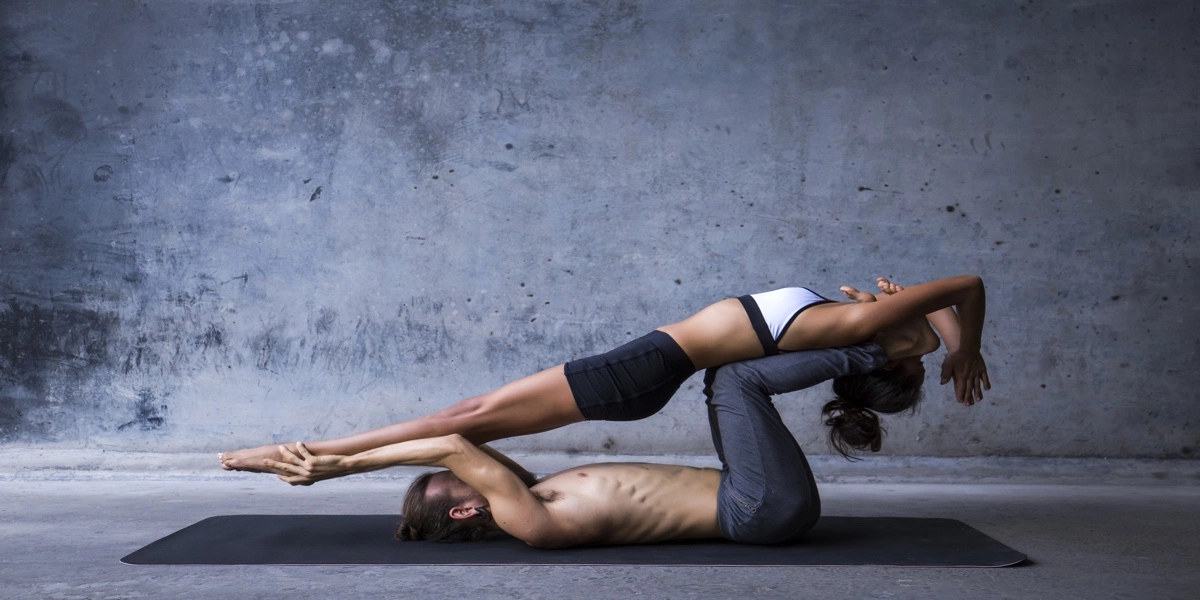
Finding the right form of exercise can feel overwhelming, especially when two popular options appear to offer many of the same benefits. Yoga and Pilates both improve flexibility, strengthen the body, enhance posture, and promote better movement, yet they are far from identical. After practicing both over the years, I have discovered that each one has its own philosophy, training style, and unique advantages. The best choice often depends on personal goals rather than which method is considered more popular.
Many people compare yoga and Pilates because they both use controlled movements, emphasize proper breathing, and can be practiced at home or in a studio. While they share similarities, the experience on the mat feels very different. In this guide, I will compare yoga and Pilates in detail, explain how they differ, highlight the benefits of each, and help you decide which practice best suits your lifestyle and fitness goals.
What Is Yoga?
Yoga is an ancient practice that combines physical postures, breathing techniques, and mindfulness. While many people begin yoga to improve flexibility or fitness, it also encourages mental clarity, stress reduction, and greater body awareness.
One of the things I appreciate most about yoga is its versatility. Some sessions are physically demanding and leave me feeling energized, while others focus almost entirely on relaxation and recovery. Whether I want an active workout or a peaceful way to unwind, yoga offers a style that matches my needs.
Breathing plays a central role throughout every practice. Rather than treating breathing as an afterthought, yoga teaches me to coordinate every movement with slow, controlled breaths, creating a stronger connection between body and mind.
What Is Pilates?
Pilates is a system of exercise developed to improve core strength, posture, flexibility, and muscular control. The movements are precise and controlled, with an emphasis on quality rather than speed or repetition.
Whenever I practice Pilates, I immediately notice how much attention it places on the abdominal muscles, lower back, hips, and pelvic stability. Nearly every exercise challenges the core while encouraging proper alignment throughout the body.
Pilates can be practiced on a mat using body weight or with specialized equipment such as the Reformer. Both approaches develop strength and coordination while improving overall movement efficiency.
The Biggest Differences Between Yoga and Pilates
Although yoga and Pilates often appear similar, their primary goals differ considerably. Yoga emphasizes balance between physical movement, breathing, and mindfulness, while Pilates focuses primarily on strengthening the body’s stabilizing muscles and improving movement mechanics.
Yoga sessions frequently include meditation, relaxation, and breathing exercises alongside physical postures. Pilates, by comparison, spends more time on controlled strengthening exercises that target specific muscle groups.
I have also noticed that yoga encourages holding poses for longer periods, whereas Pilates typically involves continuous movement with carefully controlled repetitions. Both require concentration, but they create very different experiences.
Which Is Better for Flexibility?
If improving flexibility is my main objective, yoga usually provides greater benefits. Most yoga classes include a wide variety of stretches that lengthen the hips, hamstrings, shoulders, spine, and chest while gradually increasing range of motion.
Certain styles such as Yin Yoga and Hatha Yoga spend even more time focusing on flexibility through slower, sustained stretches. Regular practice has noticeably improved how comfortably I move throughout daily activities.
Pilates also improves flexibility, but it generally does so while strengthening muscles at the same time. The emphasis remains on balanced movement rather than maximizing flexibility alone.
Which Builds More Strength?
Pilates places greater emphasis on muscular strength, particularly throughout the core. Nearly every exercise requires the abdominal muscles to stabilize the spine while supporting controlled movement.
Yoga also develops impressive strength, especially through poses like Plank, Chair Pose, Warrior II, and Crow Pose. However, the strength gains often occur alongside improvements in balance, flexibility, and endurance rather than focusing exclusively on muscular development.
For overall core conditioning, I find Pilates slightly more targeted. For full-body functional strength combined with mobility, yoga provides a broader approach.
Which Is Better for Weight Loss?
Neither yoga nor Pilates should be viewed as a quick solution for weight loss. Both support healthy weight management by encouraging regular physical activity, improving muscle tone, and promoting healthier lifestyle habits.
More active yoga styles such as Vinyasa, Power Yoga, and Hot Yoga typically burn more calories than slower restorative practices. Pilates sessions also elevate the heart rate while strengthening muscles, particularly during advanced workouts.
In my experience, long-term consistency matters far more than choosing one over the other. Either practice can support weight management when combined with balanced nutrition and an active lifestyle.
Which Improves Posture More?
Both disciplines are excellent for posture, but they approach it differently. Pilates directly strengthens the muscles responsible for supporting the spine, helping improve alignment through increased stability.
Yoga improves posture by combining strengthening exercises with stretches that release tight muscles in the chest, shoulders, hips, and back. As flexibility increases, maintaining proper posture becomes more comfortable.
Because I spend many hours working at a desk, I have found that combining both approaches produces excellent results for reducing stiffness and encouraging healthier movement patterns.
Which Is Better for Stress Relief?
Yoga has a clear advantage when my primary goal is reducing stress. Meditation, breathing exercises, and mindful movement all encourage the nervous system to relax while helping quiet a busy mind.
Restorative Yoga and Yin Yoga, in particular, leave me feeling noticeably calmer after even a short practice. The emphasis on breathing makes it easier to disconnect from daily responsibilities and become fully present.
Pilates certainly improves mood through physical activity, but its primary focus remains on strength, precision, and controlled movement rather than relaxation.
Which Is Better for Beginners?
Both yoga and Pilates welcome beginners, but the learning experience feels slightly different. Beginner yoga classes often introduce fundamental poses gradually while encouraging participants to move at their own pace.
Pilates also provides beginner-friendly instruction, although maintaining proper core engagement during unfamiliar exercises can initially require more concentration. Once I learned the basic principles, however, the movements became much more natural.
Whichever discipline I recommend to friends usually depends on their goals. People seeking relaxation often enjoy yoga first, while those interested in core strength frequently prefer Pilates.
Equipment Requirements
One reason I enjoy both practices is that they require very little equipment to get started. A supportive exercise mat is usually enough for beginner yoga sessions, although props such as blocks, straps, and bolsters can increase comfort.
Mat Pilates also requires little more than an exercise mat. As experience grows, some practitioners choose to add resistance bands, stability balls, or small weights for greater variety.
Studio Pilates sometimes incorporates specialized equipment such as the Reformer, Cadillac, or Wunda Chair. These machines provide additional resistance and support but are not essential for beginning a home practice.
Can You Practice Both?
One of the best discoveries I have made is that yoga and Pilates complement each other remarkably well. Pilates strengthens the core, improves stability, and develops precise movement patterns, while yoga enhances flexibility, mobility, balance, and mindfulness.
I often alternate between the two throughout the week. A Pilates session builds strength and control, while yoga helps my muscles recover and maintains flexibility. The combination creates a balanced fitness routine that supports both physical performance and overall well-being.
Rather than viewing them as competing methods, I see them as two valuable tools that work together exceptionally well.
Tips for Making the Right Choice
Before deciding between yoga and Pilates, I always recommend identifying your primary goal. If reducing stress, increasing flexibility, and developing mindfulness are priorities, yoga is likely the better fit. If strengthening the core, improving posture, and enhancing muscular control sound more appealing, Pilates may be the stronger choice.
Trying several beginner classes before making a decision is also worthwhile. Different instructors and teaching styles can significantly influence the experience. A single class rarely represents everything a discipline has to offer.
Finally, I remind myself that fitness should remain enjoyable. The best exercise program is the one I genuinely look forward to practicing because consistency always produces the greatest long-term results.
Common Mistakes to Avoid
One common mistake is assuming that yoga is easy while Pilates is only for athletes. Both practices can be adapted for beginners or advanced practitioners, and each becomes more challenging as skills develop.
Another mistake is focusing entirely on flexibility or strength while ignoring proper technique. Good alignment and controlled movement matter far more than performing the most advanced exercises.
Comparing progress with other people can also become discouraging. Everyone develops strength, balance, and flexibility at a different pace, so I focus on steady personal improvement instead of measuring my progress against someone else’s.
Final Thoughts
The discussion around yoga vs Pilates: which one is right for you? ultimately comes down to your personal goals and preferences. Yoga offers a unique blend of flexibility, mindfulness, stress relief, and full-body movement, while Pilates excels at developing core strength, posture, stability, and muscular control.
The encouraging news is that you do not have to choose only one. Many people, myself included, enjoy combining both practices to create a balanced fitness routine. Whether you step onto a yoga mat to find calm or begin a Pilates workout to build strength, consistent practice will help you move better, feel stronger, and support your long-term health.