Mornings often feel rushed before the day has even begun. Emails start arriving, notifications light up the phone, and responsibilities compete for attention before breakfast is finished. Instead of allowing that pressure to dictate my mood, I have found that spending just a few intentional minutes moving my body completely changes how I approach the rest of the day. A short yoga practice creates a sense of calm that stays with me long after I roll up the mat.
A Morning Yoga Routine That Takes Just 10 Minutes proves that I do not need an hour-long session to enjoy meaningful benefits. With only ten minutes, I can wake up stiff muscles, encourage deeper breathing, improve focus, and prepare both body and mind for whatever lies ahead. The consistency of this simple habit has made a greater difference than lengthy workouts I struggled to maintain.
Why Ten Minutes Can Be Enough
Many people believe yoga only works if practiced for long periods. I once thought the same, but experience taught me that consistency matters far more than duration. Showing up every morning for ten focused minutes produces better long-term results than attempting one-hour sessions once or twice a week.
Those ten minutes encourage blood circulation after hours of sleep. My joints loosen gradually, muscles begin to warm, and my breathing becomes more controlled. Instead of shocking my body awake with stress, I allow it to transition naturally into movement.
Another advantage is that short routines are easier to maintain. Even on busy mornings, finding ten minutes feels realistic. Because the commitment is manageable, I rarely skip the practice, and that consistency has helped yoga become part of my lifestyle rather than another abandoned goal.
Preparing Before the Routine
Preparation begins the night before. I keep my yoga mat rolled out in a quiet corner so I never have to search for it. Removing even small obstacles makes it much easier to stay committed once the alarm rings.
I also avoid reaching for my phone immediately after waking. Instead of scrolling through messages or social media, I drink a glass of water and spend a moment noticing my breathing. That small decision allows my mind to remain calm before outside distractions appear.
Comfortable clothing makes a difference as well. I do not worry about wearing expensive yoga outfits. A soft T-shirt and flexible athletic pants allow me to move freely without restricting stretches or creating unnecessary discomfort.
Begin With Intentional Breathing
Every practice starts with slow breathing instead of movement. I stand comfortably with my feet planted beneath my hips, relax my shoulders, and inhale deeply through my nose. Each breath signals to my nervous system that the day does not need to begin with urgency.
During the next minute, I focus only on inhaling and exhaling evenly. If thoughts about work, errands, or deadlines appear, I simply notice them without judgment before returning my attention to my breathing. That mental reset becomes the foundation for everything that follows.
Deep breathing also supplies oxygen throughout the body while preparing muscles for movement. My heart rate steadies, tension begins to melt away, and I feel noticeably more awake without relying entirely on caffeine.
Wake Up the Spine
Gentle spinal movement follows breathing because the back often becomes stiff after sleeping. I begin with Cat-Cow Pose, moving slowly between arching and rounding the spine while matching each motion with my breath. These controlled movements help restore flexibility and ease morning tightness.
After several rounds, I transition into gentle standing side stretches. Reaching one arm overhead while leaning slightly to each side creates space through the ribs and waist. I immediately notice improved mobility throughout my upper body.
A few slow spinal twists complete this portion of the routine. Rather than forcing the stretch, I rotate gently while keeping my breathing steady. The goal is simply to encourage comfortable movement rather than achieving maximum flexibility.
Stretch the Legs and Hips
My hips and hamstrings often feel tight after several hours in bed. Forward Fold becomes one of the most effective stretches in the entire sequence. I bend my knees slightly if necessary, allowing gravity to lengthen the back of my legs without straining.
From there, I step into a Low Lunge on each side. This pose stretches the hip flexors while activating the legs at the same time. Sitting for long hours during the day makes this movement especially valuable because it counters stiffness before it develops further.
I finish this section with a gentle Half Split, shifting my weight backward to stretch the hamstrings. Slow breathing remains more important than reaching the floor. Each morning feels different, and respecting my body’s limits helps prevent injury.
Build Gentle Strength
Yoga is not only about flexibility. Even a brief practice can activate important muscle groups that support better posture and balance throughout the day. I transition into Plank Pose for several steady breaths, focusing on maintaining proper alignment instead of holding the position as long as possible.
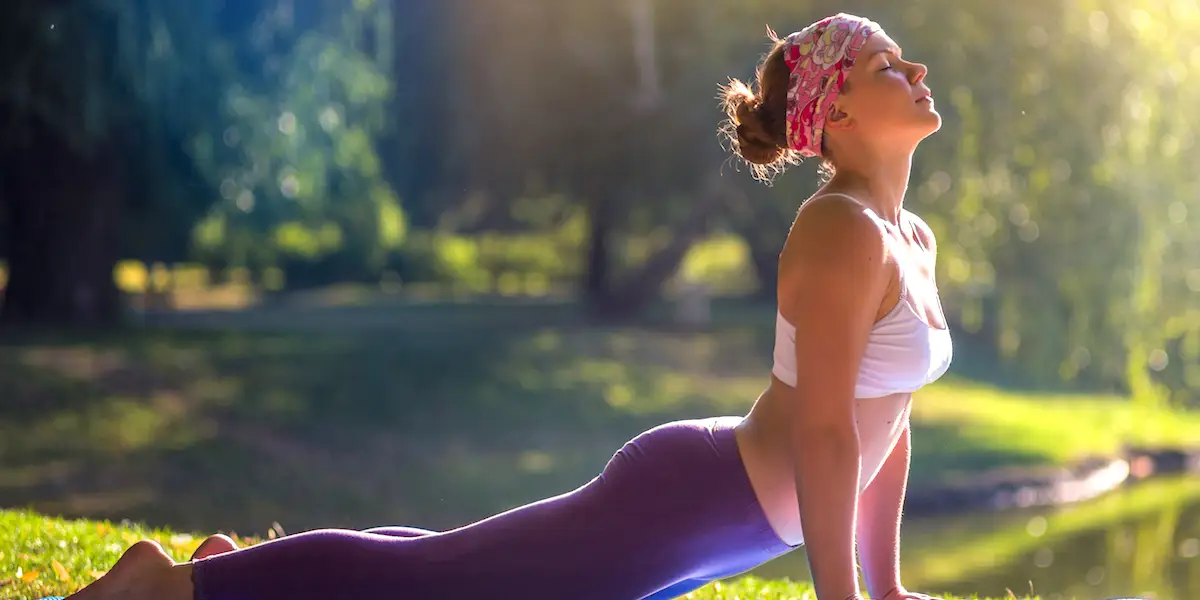
After Plank, I lower into a modified Cobra Pose. Lifting my chest while keeping my shoulders relaxed strengthens my back muscles and opens the front of my body. This movement feels especially refreshing after spending hours curled up during sleep.
A short Downward-Facing Dog completes this strengthening sequence. Pressing my hands firmly into the mat while lengthening my spine creates an energizing stretch from shoulders to calves. Every part of my body feels more awake after holding this pose for several breaths.
Improve Balance and Focus
Balance poses require complete attention because even a wandering thought can affect stability. Tree Pose becomes my favorite choice during the morning because it demands both concentration and calm breathing. Standing on one foot reminds me to stay present rather than thinking ahead to the day’s responsibilities.
I avoid worrying if I wobble or lose balance. Some mornings feel steadier than others, and that variation simply reflects how my body feels on a particular day. The practice is about patience rather than perfection.
Repeating Tree Pose on both sides also strengthens the ankles, legs, and core while improving coordination. Over time, I noticed better balance not only during yoga but also while performing everyday activities.
Release Tension in the Neck and Shoulders
Stress often settles into the neck and shoulders before the workday even begins. Gentle shoulder rolls provide immediate relief by encouraging movement through joints that easily become stiff. I perform several circles forward before reversing the direction.
Next, I slowly tilt my head toward each shoulder while breathing naturally. I never pull aggressively on my neck because gentle stretching proves more effective than forcing additional range of motion. Patience always produces better results than intensity.
Finally, I clasp my hands behind my back and gently open my chest. This stretch reverses the rounded posture that develops from working at a computer or looking down at a phone. My breathing instantly feels deeper afterward.
Finish With Quiet Stillness
The final minute of my practice may appear simple, yet it often becomes the most meaningful. I either sit comfortably or lie in a relaxed position while allowing my breathing to return to its natural rhythm. Instead of immediately rushing into the next task, I simply remain present.
This quiet pause gives my body time to absorb the benefits of movement. My heart rate settles, my thoughts become clearer, and I notice a feeling of steadiness replacing the mental rush that usually accompanies busy mornings.
Before standing, I silently think of one intention for the day. Sometimes it is patience, gratitude, confidence, or kindness. Carrying that single word with me often influences countless decisions before evening arrives.
Making the Habit Last
Building consistency requires simplicity more than motivation. I stopped expecting every session to feel perfect because perfection quickly becomes discouraging. Showing up each morning matters far more than executing every pose flawlessly.
Scheduling the routine immediately after waking also removes unnecessary decision-making. The practice becomes automatic rather than optional. Once it develops into a habit, skipping it actually feels less natural than completing it.
Tracking progress can also provide encouragement. Instead of measuring flexibility, I pay attention to improvements in mood, energy, focus, and posture. Those subtle changes become powerful reminders that ten minutes invested each morning continue paying dividends throughout the day.
Common Mistakes to Avoid
One mistake I frequently see is rushing through poses. Moving too quickly prevents muscles from fully engaging and increases the likelihood of discomfort. Slowing down allows every stretch and breath to become more effective.
Holding the breath is another common issue. During difficult poses, many people unconsciously stop breathing. Maintaining slow, controlled breaths helps the body relax and improves overall stability throughout the routine.
Comparing progress with others also steals enjoyment from yoga. Every body has different strengths, limitations, and experiences. My practice became far more rewarding once I focused on personal improvement instead of measuring myself against someone else.
Adjusting the Routine for Different Energy Levels
Not every morning feels the same. Some days I wake up energized, while other mornings my body feels unusually stiff or tired. Rather than abandoning the routine, I simply adjust its intensity to match how I feel.
On lower-energy days, I spend extra time breathing and stretching while reducing the amount of strengthening work. Gentle movement still provides noticeable benefits without feeling overwhelming. The important thing is maintaining the habit instead of striving for maximum effort.
During mornings when I feel strong and refreshed, I may hold poses a little longer or add an extra flow through the sequence. These small adjustments keep the practice enjoyable while respecting my body’s daily needs.
Final Thoughts
A productive morning does not require elaborate rituals or endless free time. Ten intentional minutes devoted to movement, breathing, and mindfulness can transform the way an entire day unfolds. I have discovered that the greatest changes often come from the smallest habits practiced consistently.
A Morning Yoga Routine That Takes Just 10 Minutes fits comfortably into almost any schedule while delivering benefits that extend far beyond physical flexibility. Better posture, increased focus, improved mood, and reduced stress all begin with the simple decision to step onto the mat. Those ten minutes have become one of the most valuable investments I make each day, and they continue to remind me that lasting wellness is built through steady, achievable routines rather than dramatic changes.