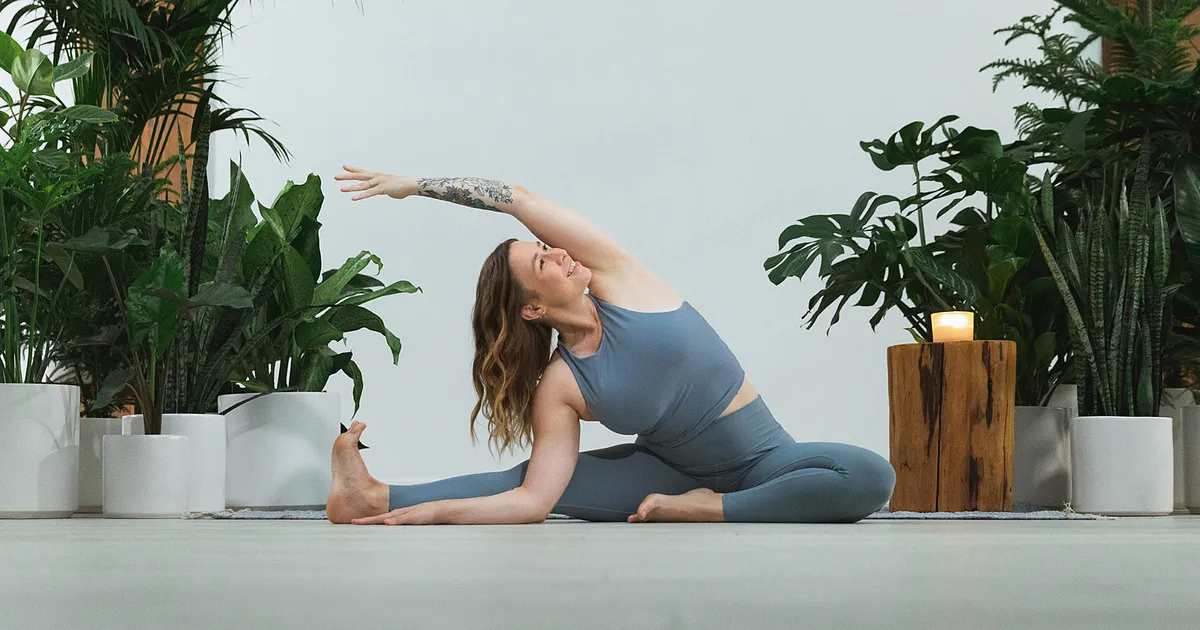
A strong core influences far more than visible abdominal muscles. It supports nearly every movement I make throughout the day, from lifting heavy grocery bags and climbing stairs to maintaining good posture while working at a desk. Once I began focusing on strengthening my core through yoga, I noticed improvements that extended well beyond my workouts. My balance became steadier, my posture improved, and even simple activities started feeling easier.
Yoga approaches core training differently than traditional abdominal exercises. Instead of relying on endless crunches, it strengthens the muscles surrounding the entire torso, including the abdominals, obliques, lower back, hips, and pelvic floor. In this guide, I will share the best yoga poses to strengthen your core, explain how each one contributes to greater stability, and offer practical tips that have helped me build lasting strength.
Why Core Strength Matters
The core acts as the body’s central support system. Nearly every movement begins or passes through this group of muscles, making it essential for balance, stability, and efficient movement. Weak core muscles often force the lower back, hips, and shoulders to compensate, increasing fatigue and limiting overall performance.
I have found that strengthening my core improves more than athletic ability. Sitting for long periods becomes more comfortable, lifting objects feels safer, and maintaining proper posture requires much less effort. These everyday benefits make core training worthwhile regardless of fitness level.
Yoga strengthens the core through controlled movement rather than rapid repetition. Each posture encourages multiple muscle groups to work together, creating balanced strength that supports the entire body instead of isolating one area.
Begin With Mindful Breathing
Before moving into the physical poses, I spend a few moments focusing on my breathing. This simple practice helps activate the deep abdominal muscles while preparing my body for movement.
Standing comfortably or sitting tall, I inhale deeply through my nose while expanding my rib cage. During each slow exhale, I gently engage my abdominal muscles without tightening excessively.
Beginning with mindful breathing helps me maintain better core engagement throughout the entire session, making every pose more effective.
Plank Pose
Plank Pose remains one of the most effective yoga postures for developing total-body strength. Although it appears straightforward, it activates the abdominals, shoulders, chest, glutes, and legs simultaneously.
I position my shoulders directly above my wrists while extending my legs behind me. My body forms one straight line from head to heels, and I gently draw my navel toward my spine without holding my breath.
Rather than focusing on how long I can stay in the pose, I concentrate on maintaining proper alignment. Shorter holds with good form consistently provide better results than longer holds with poor posture.
Forearm Plank
Forearm Plank introduces a different challenge by reducing pressure on the wrists while increasing the demand on the core. It also strengthens the shoulders and improves overall stability.
I lower onto my forearms while keeping my elbows directly beneath my shoulders. My legs remain extended behind me as I maintain a straight body position from head to heels.
Slow breathing keeps unnecessary tension out of my neck and shoulders, allowing my core to perform most of the work.
Boat Pose
Boat Pose has become one of my favorite exercises for developing deep abdominal strength. It challenges balance while strengthening both the upper and lower sections of the core.
Sitting on the mat, I lift my feet while balancing on my sitting bones. Depending on my strength that day, I either keep my knees bent or gradually extend my legs while reaching my arms forward.
I avoid rounding my back because maintaining a lifted chest makes the exercise significantly more effective. Holding the posture for several breaths creates a powerful yet controlled challenge.
Side Plank
The oblique muscles play a major role in rotational strength and spinal stability, making Side Plank an essential addition to my routine. It also strengthens the shoulders, hips, and legs.
Beginning in a standard plank, I shift my weight onto one hand while stacking my feet and lifting my opposite arm toward the ceiling. If necessary, I lower my bottom knee for additional support without compromising alignment.
Keeping my hips lifted throughout the pose encourages full-body engagement while preventing unnecessary strain on the lower back.
Dolphin Pose
Dolphin Pose combines shoulder strengthening with significant core activation. Holding this posture requires the abdominal muscles to stabilize the body while supporting the upper body.
Starting on my forearms, I lift my hips toward the ceiling similarly to Downward Facing Dog. My heels move gently toward the floor while I maintain a long spine.
The pose feels demanding without requiring rapid movement, making it an excellent exercise for building endurance.
Chair Pose
Although Chair Pose is often associated with strengthening the legs, it also requires continuous core engagement to maintain balance and proper posture.
Standing with my feet together or hip-width apart, I bend my knees as though sitting into an invisible chair while lifting my arms overhead. My chest remains upright as I gently engage my abdominal muscles.
Holding this position develops strength throughout the entire body while reinforcing healthy posture.
Warrior III
Warrior III strengthens the core by requiring the torso to remain stable while balancing on one leg. It also improves coordination and strengthens the hips and legs.
I hinge forward from my hips while extending one leg behind me until my body forms a straight line. My arms either reach forward or remain beside my body depending on the level of challenge I want.
Maintaining slow, controlled movement helps me activate the deep stabilizing muscles rather than relying on momentum.
Bird Dog Pose
Bird Dog develops coordination while strengthening the core and lower back. It appears simple, but maintaining stability requires significant control.
Beginning on my hands and knees, I extend one arm forward while reaching the opposite leg behind me. My hips remain level as I avoid twisting through my torso.
Holding the position briefly before switching sides improves balance while strengthening the muscles responsible for spinal stability.
Bridge Pose
Bridge Pose primarily targets the glutes and hamstrings, but it also requires the core to stabilize the pelvis throughout the movement. This combination creates balanced strength across the entire midsection.
Lying on my back with my knees bent, I press through my feet and lift my hips toward the ceiling. My shoulders stay grounded while I avoid arching excessively through my lower back.
Lowering slowly engages the abdominal muscles just as much as lifting upward, making each repetition more effective.
High Lunge With Twist
Adding a gentle twist to High Lunge increases the challenge for the oblique muscles while improving mobility throughout the spine.
From a lunge position, I bring my hands together at my chest before rotating my torso toward the front leg. My hips remain stable while the twist originates from my upper body.
Moving slowly allows the core to remain engaged throughout the entire exercise without compromising balance.
Downward Facing Dog
Although often viewed as a stretching pose, Downward Facing Dog also strengthens the core by encouraging proper spinal alignment and shoulder stability.
I lift my hips toward the ceiling while pressing firmly through my hands. Keeping my abdominal muscles gently engaged prevents my lower back from collapsing during the pose.
The posture also provides a brief recovery between more demanding exercises while continuing to activate the entire body.
Dead Bug Variation
This yoga-inspired movement strengthens the deep abdominal muscles while improving coordination. It teaches the core to stabilize the spine as the arms and legs move independently.
Lying on my back, I lift my knees over my hips while extending my arms toward the ceiling. Slowly lowering one arm and the opposite leg without allowing my lower back to lift from the floor creates an effective challenge.
Alternating sides with controlled movement develops strength that transfers well into many yoga poses and daily activities.
Tips for Building Core Strength Through Yoga
Consistency has made the biggest difference in my progress. Short sessions practiced several times each week produce much better results than occasional intense workouts. Gradual improvement allows the muscles to adapt without excessive fatigue.
Proper breathing remains essential throughout every pose. I exhale during the most challenging parts of each movement while maintaining steady, controlled breaths. Holding my breath often reduces stability and creates unnecessary tension.
Focusing on quality rather than quantity has also improved my results. Performing each posture with proper alignment strengthens the intended muscles far more effectively than rushing through multiple repetitions.
Common Mistakes to Avoid
One mistake I often notice is allowing the lower back to arch excessively during core exercises. Maintaining a neutral spine protects the back while encouraging the abdominal muscles to perform their intended role.
Another common issue involves relying on momentum instead of controlled movement. Slow transitions require greater muscular engagement and improve balance far more effectively than quick, uncontrolled motions.
Neglecting recovery can also limit progress. Core muscles need adequate rest to rebuild after challenging workouts, making recovery just as important as the exercises themselves.
Building a Weekly Core Routine
I enjoy combining Plank Pose, Boat Pose, Side Plank, Chair Pose, Warrior III, Bird Dog, Bridge Pose, and High Lunge With Twist into a routine lasting about thirty minutes. Performing each pose for thirty to forty-five seconds before repeating the sequence two or three times provides a challenging yet manageable workout.
Adding gentle stretching at the end of the session helps release any tension that develops during the practice. Child’s Pose and Supine Twist work particularly well for cooling down while maintaining spinal mobility.
The best yoga poses to strengthen your core become even more effective when combined with regular walking, balanced nutrition, and consistent practice. Together, these habits create a strong foundation that supports both fitness and everyday movement.
Final Thoughts
Core strength influences nearly every aspect of physical movement, from posture and balance to athletic performance and injury prevention. Developing these muscles through yoga creates balanced strength that supports the entire body rather than focusing only on visible abdominal muscles.
The best yoga poses to strengthen your core combine stability, mindful breathing, and controlled movement to build lasting strength from the inside out. Practiced consistently, these poses can improve balance, increase confidence, enhance posture, and make everyday activities feel noticeably easier while supporting long-term health and overall fitness.