Breathing is something I rarely thought about until I noticed how often I was doing it poorly. During busy days, I caught myself taking quick, shallow breaths without realizing it. Long hours at my desk, stressful situations, and poor posture all seemed to encourage breathing from my chest instead of using the full capacity of my lungs. By the end of the day, I often felt mentally drained, physically tense, and surprisingly tired, even though I had not done much physical activity.
Yoga completely changed the way I think about breathing. I originally began practicing for flexibility and stress relief, but I quickly discovered that every movement was connected to the breath. The more I learned to breathe deeply and intentionally, the more energized, relaxed, and focused I became. Yoga for better breathing and lung capacity has shown me that improving the quality of each breath can positively influence nearly every aspect of my physical and mental well-being.
Why Proper Breathing Matters
Breathing keeps us alive, but the way we breathe also affects how well our bodies function. Oxygen fuels every cell, supports energy production, and helps vital organs perform their daily tasks. At the same time, breathing removes carbon dioxide, a natural waste product created during metabolism.
When I breathe deeply and efficiently, my body receives the oxygen it needs while my muscles remain more relaxed. Shallow breathing, however, often leaves me feeling tense, fatigued, and mentally distracted because my body has to work harder to meet its oxygen demands.
Good breathing also influences posture, circulation, and emotional health. I have learned that something as simple as slowing my breath can quickly change the way I feel, both physically and mentally.
How Stress Affects Breathing
Stress changes my breathing almost instantly. Whenever I feel anxious or overwhelmed, my breaths become shorter, quicker, and more shallow without me even noticing. My shoulders rise toward my ears, my chest tightens, and my body prepares itself for action even when no real danger exists.
This pattern may be useful during genuine emergencies, but remaining in that state throughout the day places unnecessary strain on both the body and mind. Over time, poor breathing habits can contribute to muscle tension, fatigue, and difficulty relaxing.
Yoga helps interrupt this cycle by bringing my attention back to slow, controlled breathing. Instead of allowing stress to dictate my breathing pattern, I consciously guide each inhale and exhale, helping my entire body settle.
Can Yoga Improve Lung Capacity?
One question I often hear is whether yoga can actually increase lung capacity. While yoga cannot change the physical size of the lungs, it can help improve how efficiently they are used. Many people, including me when I first started, never fully utilize their natural breathing potential.
Yoga teaches me to engage my diaphragm more effectively, expand my rib cage, and breathe with greater awareness. These habits help strengthen the muscles involved in breathing while encouraging fuller, deeper breaths.
Research has also shown that regular breathing exercises may improve respiratory efficiency, breathing control, and overall lung function in healthy individuals and in some people with certain respiratory conditions. The greatest improvements usually come through consistent practice rather than occasional sessions.
Diaphragmatic Breathing
The foundation of my yoga practice begins with diaphragmatic breathing, sometimes called belly breathing. Instead of lifting only my chest, I allow my abdomen to expand naturally as I inhale.
I place one hand on my chest and the other on my stomach to make sure the movement begins from my diaphragm. During each exhale, I allow my abdomen to gently fall while keeping my shoulders relaxed.
This simple exercise immediately helps me slow my breathing while creating a greater sense of calm. It has become one of my favorite techniques whenever I feel stressed or mentally overwhelmed.
Three-Part Yogic Breathing
Three-Part Yogic Breathing helped me become much more aware of how my lungs expand. Rather than taking quick breaths, I gradually fill the lower, middle, and upper parts of my lungs in one smooth inhale.
I begin by expanding my abdomen, then allow my ribs to widen before finally lifting my upper chest slightly. During the exhale, I release the breath in the opposite order until my lungs feel comfortably empty.
Practicing this technique has improved both my breathing awareness and my ability to remain relaxed during challenging situations.
Mountain Pose
Mountain Pose appears simple, but it encourages excellent posture, which is essential for healthy breathing. Standing tall with my shoulders relaxed allows my chest to open naturally instead of collapsing forward.
When my posture improves, my lungs have more space to expand during each breath. I often notice an immediate difference simply by standing taller and relaxing unnecessary tension.
Mountain Pose reminds me that breathing begins with proper alignment long before I start moving into more advanced positions.
Cat-Cow Stretch
Cat-Cow Stretch coordinates movement with breathing in a way that feels incredibly natural. Each inhale lifts my chest while every exhale rounds my spine, encouraging my breathing muscles to move through a comfortable range of motion.
The gentle movement also improves mobility throughout my rib cage and upper back, areas that often become stiff after spending hours sitting.
By slowing the movement to match my breath, I feel both my breathing and my posture improve simultaneously.
Cobra Pose
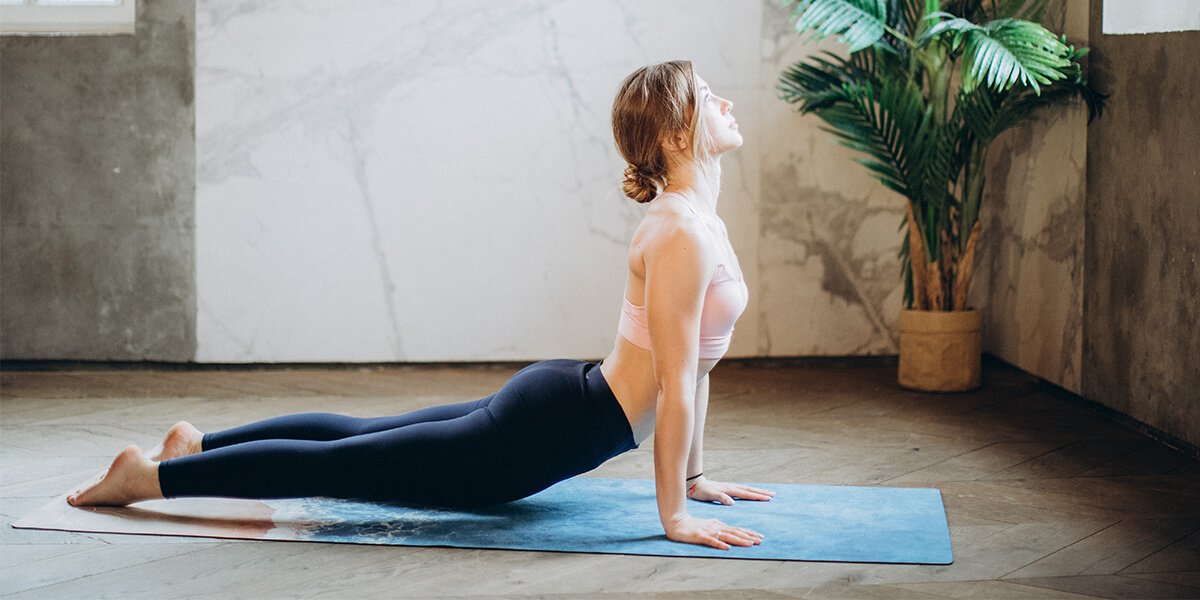
Cobra Pose gently opens the front of my chest, allowing my lungs to expand more comfortably. Since I spend much of my day leaning toward a computer, this movement helps reverse that rounded posture.
Rather than lifting as high as possible, I focus on lengthening my spine while breathing deeply into my chest.
After several repetitions, I often notice that taking full breaths feels much easier.
Bridge Pose
Bridge Pose strengthens my back while opening my chest and shoulders. Pressing through my feet as I lift my hips encourages proper alignment without excessive strain.
The position creates more room across the front of my body, making each inhale feel fuller and more comfortable.
I appreciate that this pose combines gentle strengthening with improved breathing mechanics.
Fish Pose
Fish Pose is one of my favorite chest-opening postures. Supporting myself comfortably while lifting my chest creates a deep stretch across my ribs and upper body.
Instead of forcing the movement, I focus on taking slow, controlled breaths that expand my lungs naturally.
The combination of stretching and mindful breathing leaves me feeling refreshed after only a few minutes.
Seated Spinal Twist
Twisting poses encourage mobility throughout my spine and rib cage. As I rotate gently, I become more aware of how different areas of my chest expand during breathing.
I avoid forcing the twist deeper than feels comfortable. Maintaining smooth, steady breathing remains far more important than achieving maximum rotation.
Practicing on both sides helps restore flexibility that supports healthier breathing patterns.
Child’s Pose
Child’s Pose encourages slow, calming breaths while allowing my back and shoulders to relax. I often notice my breathing becoming naturally deeper after only a few moments in this position.
Resting my forehead comfortably while extending my arms creates a gentle stretch that feels especially soothing after stressful days.
Whenever my breathing feels rushed, Child’s Pose quickly helps restore a more comfortable rhythm.
Legs Up the Wall
Legs Up the Wall provides complete relaxation without requiring physical effort. Elevating my legs encourages my body to settle while allowing my breathing to slow naturally.
I remain in this posture for several minutes, focusing only on smooth inhales and long, relaxed exhales.
It has become one of my favorite evening practices because it prepares both my body and mind for restful sleep.
Corpse Pose
Corpse Pose allows me to observe my breathing without trying to change it. Lying comfortably on my back, I simply notice the natural rise and fall of each breath.
As my muscles release tension, my breathing often becomes deeper on its own. I leave the pose feeling mentally refreshed and physically relaxed.
These final moments remind me that breathing does not always require effort. Sometimes it simply requires awareness.
Lifestyle Habits That Support Lung Health
Yoga has improved my breathing considerably, but I have also learned that daily habits play an equally important role. Avoiding smoking, staying physically active, drinking enough water, and maintaining good posture all contribute to healthier lungs.
Spending time outdoors whenever air quality is good has also helped me appreciate the importance of fresh air. Regular walking complements my yoga practice while encouraging natural deep breathing.
I also try to avoid sitting for hours without moving. Standing, stretching, and taking short walks throughout the day prevent my chest and shoulders from becoming stiff.
Common Mistakes That Limit Breathing
One mistake I made early on was trying to force deep breaths. Healthy breathing should feel smooth and comfortable rather than strained. Trying too hard often created more tension instead of relaxation.
Holding my breath during challenging poses was another habit I needed to correct. Continuous breathing supports both movement and relaxation far better than breath-holding.
Poor posture remains one of the biggest obstacles to healthy breathing. Slouching compresses my chest, making deep breaths much more difficult than they need to be.
Building a Daily Breathing Practice
The greatest improvements have come through consistency rather than long practice sessions. Spending just ten or fifteen minutes each day focusing on breathing and gentle yoga has noticeably changed how I feel.
Some mornings I begin with breathing exercises before moving into several chest-opening poses. Other days I practice in the evening to release tension accumulated during work.
The simplicity of the routine makes it easy to maintain. Because it requires little equipment or space, I can practice almost anywhere.
Final Thoughts
Healthy breathing is something many of us overlook until stress, poor posture, or illness reminds us of its importance. Yoga offers a practical and natural way to improve breathing patterns, strengthen the muscles involved in respiration, encourage better posture, and support overall lung function. While it cannot replace medical treatment for serious respiratory conditions, it can become an effective part of a healthy lifestyle that promotes efficient breathing and long-term wellness.
Yoga for better breathing and lung capacity has transformed much more than the way I inhale and exhale. It has improved my energy, reduced my stress, enhanced my posture, and helped me become more aware of the powerful connection between my breath and my overall health. With regular practice, each breath becomes an opportunity to support both body and mind, one slow inhale and exhale at a time.