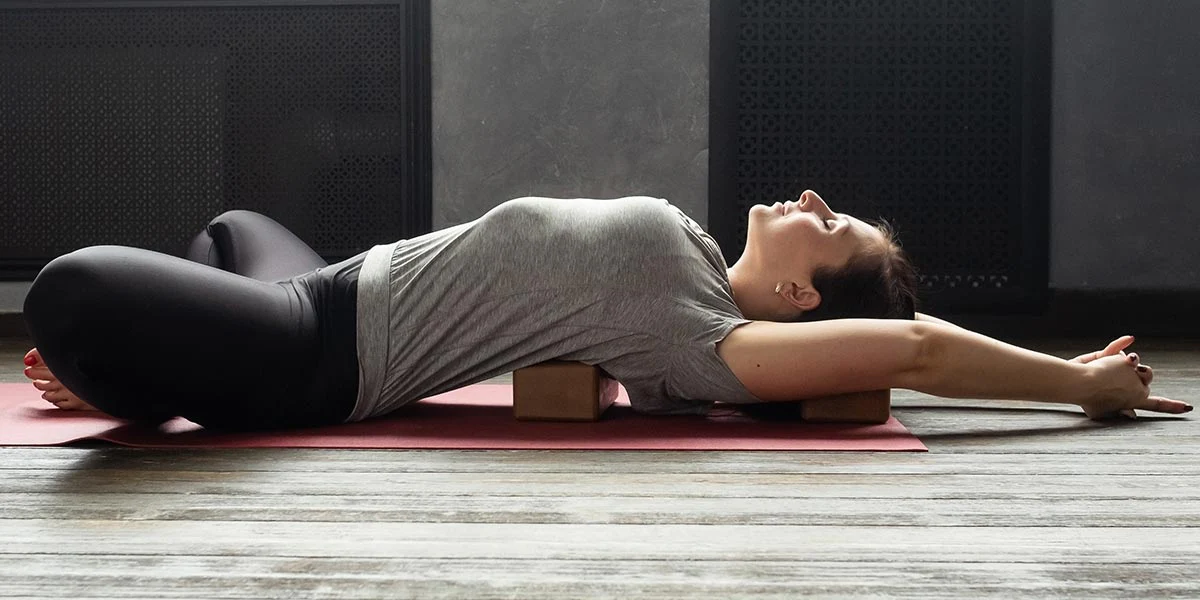
Feeling healthy is about more than building strength or improving flexibility. It is about waking up with enough energy to move comfortably, managing stress throughout the day, and maintaining a body that feels capable of handling everyday life. I have found that practicing yoga daily, even for a short amount of time, helps me feel more balanced physically and mentally. It prepares my body for movement, clears my mind, and reminds me to slow down before the demands of the day take over.
One of the reasons I enjoy a daily yoga practice is its versatility. Some mornings I have thirty minutes to move through a complete sequence, while other days I only have fifteen. Regardless of the length of the session, following a well-rounded routine helps improve mobility, strengthen important muscle groups, encourage healthy posture, and create a sense of calm that stays with me long after I leave the mat. In this guide, I will walk through the best daily yoga sequence for total body wellness, explain why each pose belongs in the routine, and share practical tips for making yoga a consistent part of everyday life.
Why Practice Yoga Every Day
Daily yoga does not mean performing advanced poses or spending hours stretching. Consistency matters far more than intensity. Even a short session helps maintain flexibility, improve circulation, strengthen muscles, and reduce the stiffness that often develops from long periods of sitting.
I have also noticed that daily practice improves my awareness of how my body feels. Instead of waiting until I experience discomfort, I become more aware of small changes in posture, balance, or muscle tension. Addressing those issues early often prevents them from becoming larger problems.
The mental benefits are just as valuable. Focusing on steady breathing and mindful movement gives me a chance to disconnect from distractions and begin the day with greater clarity. That simple habit often influences how I handle challenges throughout the rest of the day.
Prepare Your Body Before Moving
Before beginning the sequence, I spend a few moments standing quietly and focusing on my breathing. This short pause allows my body to settle while helping me become fully present before moving into the first pose.
I inhale slowly through my nose, allowing my chest to expand naturally. As I exhale, I relax my shoulders, soften my jaw, and gently engage my core. These small adjustments immediately improve my posture and prepare my body for movement.
Starting slowly also helps prevent unnecessary strain. Rather than rushing into deeper stretches, I allow my muscles to warm up naturally as the sequence progresses.
Mountain Pose
Every yoga practice benefits from a strong foundation, and Mountain Pose provides exactly that. Although it appears simple, it teaches proper alignment while encouraging balance and body awareness.
I stand with my feet about hip-width apart and distribute my weight evenly across both feet. My shoulders remain relaxed while I lengthen through the top of my head and engage my abdominal muscles gently.
Holding this posture for several breaths reminds me what balanced alignment feels like before I begin moving.
Cat-Cow Pose
Cat-Cow gently wakes up the spine while improving mobility throughout the back and shoulders. It is one of my favorite ways to transition from standing into floor-based movement.
Beginning on my hands and knees, I inhale as I lift my chest and gently arch my back. During the exhale, I round my spine while drawing my chin slightly toward my chest.
Repeating this movement several times creates warmth throughout the spine and prepares the body for the rest of the sequence.
Downward Facing Dog
Downward Facing Dog stretches several major muscle groups at once, making it one of the most efficient poses in yoga. It lengthens the hamstrings, calves, shoulders, and spine while gently strengthening the upper body.
From my hands and knees, I lift my hips toward the ceiling, creating an inverted V shape. I keep a slight bend in my knees if needed, focusing more on lengthening my spine than forcing my heels to the floor.
Pedaling my feet gently helps loosen tight calves and ankles before continuing.
Low Lunge
Low Lunge targets the hip flexors, which often become tight after prolonged sitting. Opening this area improves mobility while helping reduce unnecessary strain on the lower back.
I step one foot forward between my hands before lowering my back knee to the mat. Keeping my chest lifted, I gently shift my hips forward until I feel a comfortable stretch.
After holding for several breaths, I repeat the pose on the opposite side to maintain balanced flexibility.
Warrior II
Warrior II strengthens the legs, hips, and core while improving stability and endurance. Holding the pose also encourages good posture and body awareness.
Standing in a wide stance, I bend my front knee while extending both arms parallel to the floor. My shoulders stay relaxed, and I keep my gaze focused beyond my front fingertips.
Remaining steady for several breaths develops strength without unnecessary tension.
Triangle Pose
Triangle Pose combines flexibility, balance, and strength in one movement. It stretches the hamstrings, hips, sides of the torso, and shoulders while encouraging proper spinal alignment.
I straighten my front leg before reaching forward and lowering my hand toward my shin or a yoga block. My opposite arm extends toward the ceiling while my chest rotates open.
Rather than reaching lower, I focus on creating length throughout both sides of my body.
Chair Pose
Chair Pose strengthens the quadriceps, glutes, and core while encouraging proper posture. It also raises the heart rate slightly, making it a valuable addition to a daily sequence.
I bend my knees as though sitting into a chair while lifting my arms overhead. My weight stays balanced through my feet as I engage my abdominal muscles gently.
Holding the pose for several breaths challenges both strength and endurance.
Cobra Pose
Cobra Pose strengthens the muscles along the spine while opening the chest and shoulders. It provides an excellent counterbalance to the many forward movements performed throughout the day.
Lying face down, I place my hands beneath my shoulders before gently lifting my chest using primarily my back muscles. My elbows remain slightly bent, and my shoulders stay relaxed.
The gentle backbend helps improve posture while increasing spinal mobility.
Bridge Pose
Bridge Pose strengthens the glutes, hamstrings, lower back, and core while opening the front of the hips. These muscle groups play an essential role in supporting everyday movement.
Lying on my back with my knees bent, I press through my feet to lift my hips toward the ceiling. My shoulders remain grounded while my knees stay aligned over my ankles.
Lowering slowly with control makes the exercise just as effective as lifting.
Seated Forward Fold
After the strengthening poses, Seated Forward Fold provides a calming stretch for the hamstrings, lower back, and calves. It also encourages relaxation before the final restorative poses.
Sitting with both legs extended, I hinge forward from my hips while maintaining a long spine. My hands rest comfortably wherever they naturally reach without forcing the stretch.
Each slow exhale allows my muscles to soften a little more.
Supine Spinal Twist
A gentle spinal twist restores mobility throughout the back while releasing tension that may have accumulated during the practice.
Lying on my back, I bring one knee across my body while extending the opposite arm outward. Keeping both shoulders grounded allows the twist to remain comfortable and controlled.
After several breaths, I switch sides and notice how refreshed my spine feels.
Happy Baby Pose
Happy Baby Pose gently stretches the hips, groin, and lower back while encouraging relaxation. It feels especially soothing after the standing and strengthening portions of the sequence.
Lying comfortably on my back, I bend both knees toward my chest before holding my feet or ankles. My knees remain wide while my shoulders stay relaxed against the mat.
Sometimes I gently rock from side to side, creating a light massage for my lower back.
Savasana
No daily yoga practice feels complete without spending a few quiet minutes in Savasana. This final resting pose allows the body to absorb the benefits of every movement that came before it.
I lie comfortably on my back with my arms resting beside me and my palms facing upward. Closing my eyes, I allow my breathing to slow naturally while releasing any remaining muscular tension.
Even five to ten minutes in Savasana leaves me feeling calmer, more focused, and ready for the rest of the day.
Tips for Building a Daily Yoga Habit
One of the biggest lessons I have learned is that consistency matters more than perfection. Missing a day occasionally is not a failure, but returning to the mat regularly creates lasting results. A short practice completed consistently is usually more beneficial than an occasional lengthy session.
Practicing at the same time each day has also helped me stay committed. Whether I practice first thing in the morning or during the evening, establishing a routine makes yoga feel like a natural part of my schedule rather than another task on my list.
I also listen carefully to my body. Some days I have plenty of energy for a longer practice, while other days I need a slower, gentler sequence. Adjusting the intensity allows me to maintain the habit without risking unnecessary fatigue or injury.
Common Mistakes to Avoid
One mistake I try to avoid is rushing through the sequence simply to finish it. Yoga provides the greatest benefits when movement and breathing stay connected. Slowing down allows each pose to become more effective while reducing the likelihood of poor alignment.
Another common mistake is focusing only on flexibility. Strength, balance, posture, and controlled breathing all contribute to total body wellness. A balanced sequence should include each of these elements rather than emphasizing only stretching.
Skipping the final relaxation is another habit worth avoiding. Savasana may appear simple, but it gives both the body and mind an opportunity to absorb the benefits of the entire session. Those few quiet minutes often become the most valuable part of my practice.
Final Thoughts
Daily yoga offers far more than improved flexibility. It creates an opportunity to strengthen the body, improve posture, increase mobility, reduce stress, and develop greater awareness of how the body moves throughout the day. Even a modest amount of consistent practice can produce meaningful improvements in overall well-being.
The best daily yoga sequence for total body wellness combines gentle warm-ups, strength-building poses, mobility exercises, balance work, and restorative relaxation into one complete practice. Performed regularly and with mindful attention, this sequence can help you feel stronger, move more comfortably, and approach each day with greater energy, focus, and confidence.