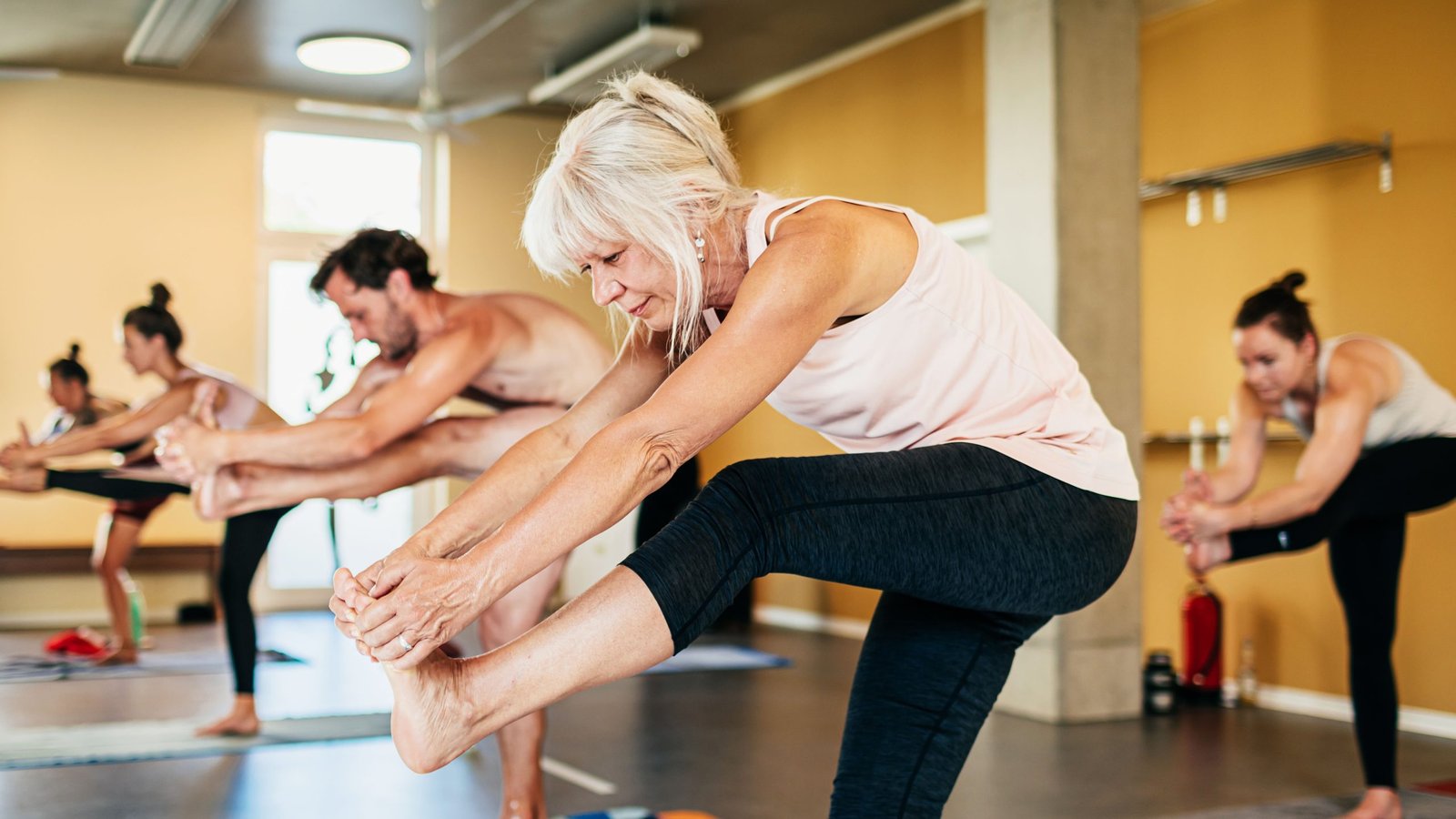
Walking into my first yoga class felt like stepping into a completely different world. The instructor used words I had never heard before, and everyone around me seemed to know exactly what they meant. I spent more time trying to figure out the vocabulary than focusing on my breathing or the poses. It quickly became clear that learning a few common yoga terms would make the entire experience much less intimidating.
Common Yoga Terms Every Beginner Should Know can help remove much of the uncertainty that comes with starting yoga. You do not need to memorize dozens of unfamiliar words before stepping onto the mat, but becoming familiar with the most frequently used terms makes it easier to follow instructions and feel confident during practice. Once I understood the language of yoga, I found it much easier to relax and enjoy the experience.
Why Yoga Has Its Own Vocabulary
Many yoga terms come from Sanskrit, an ancient language that has been closely connected to yoga for thousands of years. While hearing unfamiliar words may seem overwhelming at first, most instructors explain them as they teach, making them easier to remember over time.
I quickly realized that knowing these terms was not about sounding like an experienced yogi. Instead, it helped me understand instructions more clearly and transition between poses with greater confidence.
The more often I practiced, the more familiar the vocabulary became. Words that once sounded confusing gradually became a natural part of my yoga routine.
Asana
One of the first words I learned was “asana.” This term simply refers to a yoga pose or posture. Whether I am standing in Mountain Pose, relaxing in Child’s Pose, or balancing in Tree Pose, each position is considered an asana.
Many yoga classes involve moving through a sequence of different asanas. Knowing this term made it easier to understand what instructors meant when they encouraged everyone to move into the next pose.
Rather than thinking of asanas as difficult positions to master, I learned to view them as opportunities to improve strength, flexibility, balance, and body awareness.
Pranayama
Pranayama refers to breathing techniques used during yoga practice. At first, I assumed breathing happened naturally and required little attention, but yoga taught me otherwise.
Practicing controlled breathing helped me remain calm while improving my focus throughout each session. Slow, steady breaths also made stretches feel more comfortable because my muscles relaxed instead of becoming tense.
Many beginners are surprised to discover that breathing is considered just as important as the physical poses themselves.
Namaste
Namaste is one of the most recognizable words associated with yoga. It is often spoken at the end of a class while participants bring their hands together in front of their chest.
Although interpretations vary, the word is commonly used as a respectful greeting or expression of gratitude. For me, it represents appreciation for the practice, the instructor, and everyone sharing the experience.
While not every yoga class ends with Namaste, understanding its meaning helped me feel more comfortable during group sessions.
Vinyasa
Vinyasa describes the smooth connection between movement and breathing. Rather than holding one pose for an extended period, Vinyasa classes often involve flowing continuously from one posture to the next.
I enjoy this style because it creates a gentle rhythm that keeps both my body and mind engaged. Coordinating movement with each inhale and exhale makes the practice feel almost like a moving meditation.
Even if I am following a beginner routine, understanding the concept of Vinyasa helps me appreciate the importance of flowing naturally between poses.
Hatha
Hatha is a broad term that often describes slower-paced yoga focused on foundational poses and proper alignment. It became my preferred starting point because the relaxed pace allowed me to learn without feeling rushed.
Instead of moving quickly through transitions, Hatha classes usually provide enough time to adjust posture and practice controlled breathing.
Many beginners find Hatha yoga approachable because it emphasizes technique rather than speed or intensity.
Savasana
Savasana, sometimes called Corpse Pose, is usually practiced at the end of a yoga session. Although it appears to involve simply lying on the floor, I quickly learned that it serves an important purpose.
During Savasana, I allow my body to absorb the benefits of everything I have practiced while focusing on slow, natural breathing. Those few quiet minutes often become the most relaxing part of the entire session.
This pose reminds me that rest is an essential part of progress rather than something to rush through.
Drishti
Drishti refers to a focused point of gaze used during yoga practice. Looking at one steady spot helps improve balance while reducing distractions.
I rely on Drishti whenever I practice balancing poses such as Tree Pose or Warrior III. Keeping my eyes fixed on one location makes remaining steady much easier.
This simple technique also improves concentration by encouraging me to stay present instead of allowing my thoughts to wander.
Ujjayi Breath
Ujjayi breathing is sometimes called Ocean Breath because of the soft sound it creates. By gently narrowing the back of my throat while breathing through my nose, I produce a quiet, rhythmic sound.
This breathing technique helps maintain focus during yoga while encouraging slow, controlled breaths. I find it especially useful during longer sequences that require steady concentration.
Although it felt unusual at first, regular practice made Ujjayi breathing feel natural and calming.
Alignment
Alignment refers to the way my body is positioned during each yoga pose. Good alignment helps me move safely while making every stretch and strengthening exercise more effective.
Instead of worrying about how deep I can stretch, I focus on maintaining proper alignment. This approach has reduced discomfort while helping me build healthy movement patterns.
Listening carefully to alignment cues from instructors has become one of the most valuable parts of my practice.
Flow
The word “flow” appears frequently in yoga classes. It simply describes moving smoothly from one pose to another while maintaining steady breathing.
Flow encourages continuous movement rather than stopping after every position. Following this rhythm has helped my practice feel more relaxed and connected.
Even beginner routines often include simple flows that gradually improve coordination and confidence.
Grounding
Grounding means creating a stable connection with the floor. Whether standing, kneeling, or sitting, I focus on pressing firmly through the parts of my body touching the mat.
Feeling grounded improves both balance and stability. It also reminds me to slow down and become more aware of how my body is positioned.
This concept extends beyond physical movement by encouraging a greater sense of calm and presence throughout the practice.
Modification
A modification is an adjusted version of a yoga pose that makes it more comfortable or accessible. Learning that modifications are completely normal removed much of the pressure I initially felt.
Using blocks, blankets, or simply reducing the depth of a stretch allows me to practice safely while gradually improving flexibility and strength.
Choosing a modification is never a sign of failure. It is a smart way to respect my current abilities while continuing to make progress.
Yoga Props
Props are tools that provide extra support during yoga practice. Common examples include yoga blocks, straps, bolsters, blankets, and cushions.
I originally believed props were only for beginners, but I soon discovered that experienced practitioners use them as well. They improve alignment, increase comfort, and make certain poses more accessible regardless of skill level.
Using props has helped me perform poses correctly instead of forcing movements my body is not yet ready to achieve.
Mindfulness
Mindfulness is one of the most important ideas in yoga. It means paying attention to the present moment without judging myself or becoming distracted by past or future concerns.
Instead of rushing through poses, I focus on how my body feels, how I am breathing, and how each movement connects to the next.
Practicing mindfulness has benefited me far beyond yoga. It has helped me approach daily life with greater patience, awareness, and calm.
Tips for Remembering Yoga Terms
I found it helpful to learn only a few new terms at a time instead of trying to memorize everything at once. Repeating the words during regular practice made them much easier to remember.
Listening carefully during classes also reinforced the vocabulary naturally. Instructors often explain terms while demonstrating the associated movements, making learning feel effortless.
Most importantly, I reminded myself that nobody expects beginners to know every yoga word immediately. Familiarity develops gradually through consistent practice.
Final Thoughts
Learning yoga vocabulary may seem intimidating at first, but it quickly becomes a natural part of the journey. Familiar terms such as asana, pranayama, Vinyasa, Hatha, Savasana, and alignment help make classes easier to follow while building confidence on the mat. Understanding these common expressions allows beginners to focus less on unfamiliar language and more on enjoying the practice itself.
Common Yoga Terms Every Beginner Should Know are not meant to complicate yoga. They exist to describe movements, breathing techniques, and principles that support a safe and rewarding practice. As I became more familiar with the language, yoga felt less overwhelming and far more enjoyable. Like every other part of the journey, learning the terminology happened one step, one breath, and one pose at a time.