Tension has a habit of settling into my neck and shoulders before I even realize it. After hours spent working at a computer, looking down at my phone, driving, or simply dealing with the demands of a busy day, I often notice stiffness creeping into the muscles around my upper back. Turning my head becomes uncomfortable, my shoulders feel heavy, and even sitting still can become frustrating. It is amazing how a small amount of tightness in this area can affect my mood, posture, and overall comfort.
Yoga has become one of the most reliable ways I have found to release that built-up tension. Instead of relying on quick fixes that only provide temporary relief, I use gentle stretches and mindful breathing to help my muscles relax naturally. Practicing the best yoga poses for neck and shoulder tension has not only eased stiffness but has also improved my posture, reduced stress, and made everyday movement feel much easier.
Why Neck and Shoulder Tension Happens
I have learned that neck and shoulder pain is rarely caused by one single factor. More often, it develops from a combination of poor posture, repetitive movements, emotional stress, and long periods of sitting. Even sleeping in an awkward position can leave me waking up with tight muscles that linger throughout the day.
Technology has made this problem even more common. Looking down at phones, tablets, and laptops for hours places extra strain on the muscles that support my head. Since the human head weighs much more than most people realize, even a slight forward tilt increases the workload on my neck and shoulders.
Stress also plays a significant role. Whenever I feel anxious or overwhelmed, I naturally tense my shoulders without noticing. That unconscious habit can continue for hours, leaving my upper body sore even after the stressful situation has passed.
How Yoga Helps Relieve Tension
One of the reasons yoga works so well is that it addresses both the physical and mental causes of muscle tightness. Gentle stretches improve flexibility and mobility while breathing exercises encourage my nervous system to relax. As my stress levels decrease, my muscles begin letting go of the tension they have been holding.
Yoga also improves body awareness. Before I started practicing regularly, I rarely noticed when my shoulders had crept toward my ears or when I was slouching over my desk. Now I recognize those habits much sooner and correct them before they become painful.
Consistency has made the biggest difference. Spending fifteen or twenty minutes on my mat several times each week has produced much better results than waiting until my neck becomes unbearably stiff before stretching.
Begin With Slow Breathing
Before stretching my neck or shoulders, I always spend a few minutes focusing on my breathing. This simple step helps calm my body while preparing my muscles for movement.
I inhale slowly through my nose, allowing my ribs and abdomen to expand comfortably. My exhale lasts slightly longer than my inhale, encouraging my shoulders to relax naturally instead of remaining lifted with tension.
These slow breaths immediately change how I feel. By the time I begin moving, my body already feels softer and more receptive to stretching.
Child’s Pose
Child’s Pose is one of the most comforting positions in my entire yoga routine. Folding forward allows my spine to lengthen while encouraging my shoulders to release the tension they have accumulated throughout the day.
I extend my arms gently in front of me while allowing my forehead to rest comfortably on the mat. On particularly stressful days, I place my arms alongside my body instead, which creates an even greater sense of relaxation.
Remaining here for several minutes feels almost therapeutic. With each breath, I notice my neck becoming less rigid and my shoulders gradually settling away from my ears.
Cat-Cow Stretch
Cat-Cow Stretch restores gentle movement throughout my entire spine, including the neck and upper back. It has become one of my favorite ways to ease stiffness after spending hours sitting at a desk.
As I inhale, I lift my chest and gently raise my gaze. During the exhale, I round my back and tuck my chin toward my chest. Coordinating each movement with my breath creates a smooth rhythm that feels incredibly calming.
Rather than rushing through the exercise, I move slowly enough to notice every part of my spine. That mindful pace makes the stretch much more effective.
Thread the Needle Pose
Thread the Needle provides one of the deepest shoulder stretches in my routine without requiring complicated movements. It targets muscles that often remain tight after long periods of computer work.
Starting on my hands and knees, I gently slide one arm underneath my body while lowering my shoulder toward the mat. My supporting arm remains steady, allowing the stretch to develop naturally.
Holding the pose for several breaths creates a wonderful release across my shoulders and upper back. Repeating it on both sides leaves me feeling significantly more open.
Puppy Pose
Puppy Pose combines the gentle qualities of Child’s Pose with a deeper stretch across my shoulders and chest. It feels especially beneficial after days filled with poor posture.
I lower my chest toward the floor while keeping my hips above my knees. Resting my forehead or chin comfortably on the mat allows my shoulders to gradually relax.
The stretch becomes more effective the longer I remain still. Patience consistently produces better results than trying to force my body into a deeper position.
Eagle Arms
Even without performing the full Eagle Pose, the arm position alone provides tremendous relief for my shoulders and upper back. Wrapping one arm around the other stretches muscles that are difficult to reach with many other exercises.
I gently lift my elbows while keeping my shoulders relaxed. Instead of forcing the stretch, I allow my breathing to gradually deepen the sensation.
After switching sides, I almost always notice improved mobility through my upper back and shoulder blades.
Cobra Pose
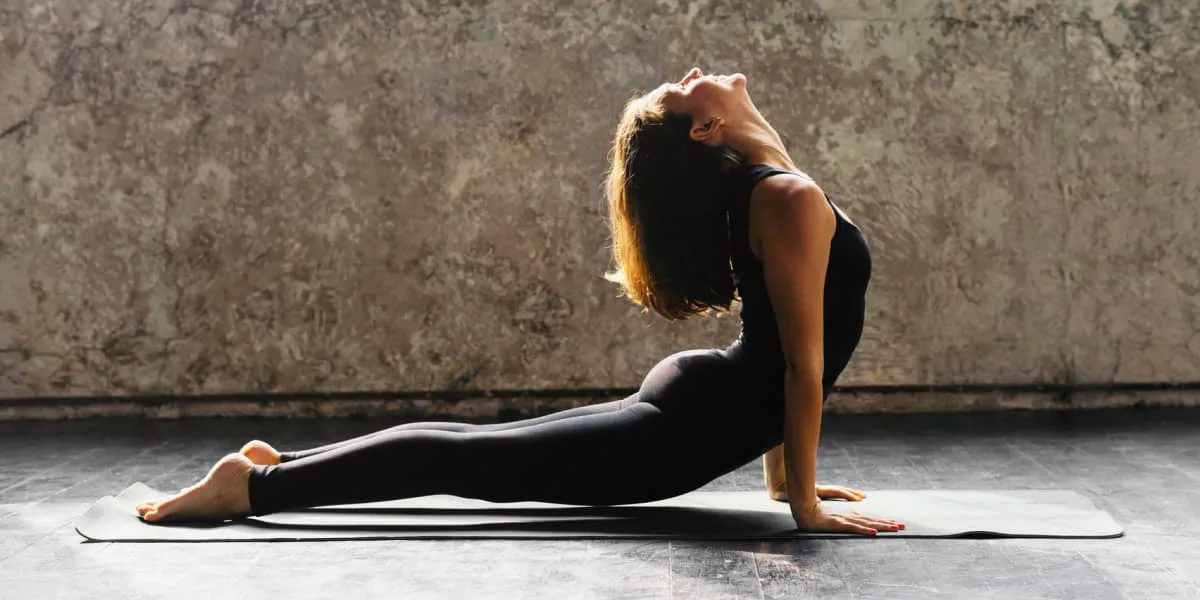
Cobra Pose strengthens the muscles that support healthy posture while gently opening my chest. Since poor posture contributes to much of my neck tension, this pose helps address one of the underlying causes.
Lying on my stomach, I press lightly into my hands while lifting my chest. I avoid pushing into a dramatic backbend because a gentle lift feels much more comfortable.
Opening the front of my body counters the forward-rounded posture created by hours of sitting. That improvement carries into my daily activities long after my yoga session has ended.
Seated Neck Stretch
Simple neck stretches often provide immediate relief when performed gently. Sitting comfortably, I slowly lower one ear toward my shoulder without lifting the opposite shoulder.
I avoid pulling aggressively with my hand. Instead, I allow gravity and relaxed breathing to gradually deepen the stretch.
Repeating the movement on both sides helps restore comfortable range of motion while reducing stiffness that builds throughout the day.
Cow Face Arms
Cow Face Arms create a deep stretch through my shoulders, chest, and upper arms. Although the full position can be challenging at first, using a yoga strap or towel makes it much more accessible.
I focus on lengthening my spine rather than forcing my hands together. The goal is a comfortable stretch, not perfect alignment.
Over time, this pose has noticeably improved my shoulder mobility while reducing feelings of tightness.
Standing Forward Fold
Standing Forward Fold allows my head and neck to relax completely. Allowing gravity to gently lengthen my spine creates a soothing release throughout my upper body.
I keep a slight bend in my knees to protect my lower back while allowing my shoulders to hang naturally. I resist the urge to hold tension in my neck, letting my head feel heavy instead.
Several slow breaths here leave me feeling lighter, calmer, and much less stiff.
Legs Up the Wall
Although this pose does not directly stretch my neck, it creates profound relaxation throughout my entire body. Elevating my legs while lying comfortably on the floor encourages my nervous system to settle.
I rest quietly for five to ten minutes without trying to accomplish anything. My shoulders naturally soften as my breathing becomes slower.
This posture often provides the perfect transition between a busy day and a restful evening.
Corpse Pose
Corpse Pose gives my body time to absorb the benefits of every stretch. I lie comfortably on my back with my arms resting naturally beside me and my shoulders completely relaxed.
Closing my eyes allows me to focus entirely on my breathing. Whenever I notice tension returning, I consciously soften my jaw, neck, and shoulders once again.
These final quiet moments often become the most relaxing part of my entire practice. I stand up feeling refreshed rather than simply stretched.
Daily Habits That Prevent Tension
Yoga has helped tremendously, but I have also learned that preventing tension is just as important as relieving it. I now adjust my computer screen so I am not constantly looking downward, and I take short movement breaks throughout the day instead of remaining seated for hours.
I also pay much closer attention to my posture while using my phone. Holding devices closer to eye level reduces unnecessary strain on my neck, and those small adjustments have made a noticeable difference over time.
Stress management has become another priority. Since emotional tension often settles into my shoulders, regular breathing exercises, walking, and adequate sleep help prevent stiffness before it develops.
Common Mistakes That Make Neck Pain Worse
One mistake I made early on was stretching too aggressively. The muscles in the neck are delicate, and forcing deep stretches often created more discomfort than relief. Gentle movement has consistently proven far more effective.
Holding my breath during stretches was another habit I had to break. Slow breathing encourages muscles to relax naturally, making each pose both safer and more beneficial.
Ignoring persistent pain is equally important to avoid. Mild tightness often responds well to yoga, but sharp pain, numbness, weakness, or symptoms following an injury deserve evaluation by a qualified healthcare professional before continuing any exercise routine.
Building a Routine That Lasts
I no longer wait until my neck feels painfully stiff before practicing yoga. Instead, I include several of these poses throughout the week to prevent tension from accumulating in the first place.
Some sessions last only fifteen minutes, while others become longer depending on how my body feels. Even brief practices leave me feeling noticeably better because consistency matters much more than duration.
Over time, these small efforts have transformed the way my neck and shoulders feel during everyday life. Tasks that once left me stiff and uncomfortable now feel much more manageable because my muscles remain stronger, more flexible, and better prepared for daily demands.
Final Thoughts
Neck and shoulder tension may seem like an unavoidable part of modern life, but it does not have to become a permanent condition. Gentle yoga provides an effective way to improve mobility, release muscle tightness, strengthen postural muscles, and calm the nervous system all at the same time. Rather than masking discomfort, it encourages the body to move more naturally and recover from the physical effects of stress and poor posture.
The best yoga poses for neck and shoulder tension have become an essential part of my wellness routine because they consistently help me feel lighter, more relaxed, and more comfortable throughout the day. Combined with healthy posture, regular movement, and mindful breathing, these simple poses have shown me that lasting relief often comes from small, consistent habits practiced with patience rather than force.