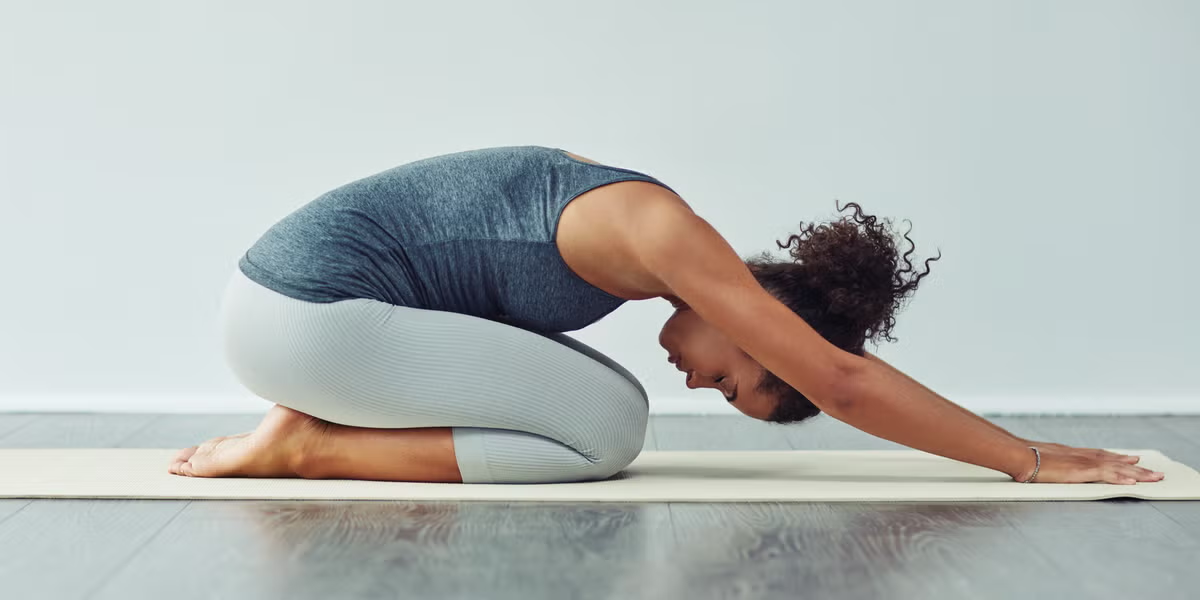
Stress has become such a common part of daily life that it is easy to mistake it for something normal. Busy schedules, endless notifications, financial responsibilities, family commitments, and unexpected challenges can leave my mind racing long after the day is over. Even when I finally have time to relax, my body often feels as though it is still preparing for the next problem instead of enjoying the present moment.
For years, I viewed yoga as little more than a stretching routine. I appreciated the physical benefits, but I underestimated what was happening beneath the surface. The more I practiced and the more I learned about how the body responds to stress, the more I realized that yoga influences far more than flexibility. The science behind yoga and stress reduction explains why so many people experience greater calm, improved emotional resilience, and better overall health through consistent practice.
What Happens to the Body During Stress
Stress begins long before I consciously recognize it. Whenever my brain perceives a challenge or potential threat, it activates the body’s natural stress response. My heart rate increases, breathing becomes quicker, muscles tighten, and stress hormones like cortisol and adrenaline are released into the bloodstream.
This response is incredibly useful in genuine emergencies because it prepares the body for immediate action. The problem is that modern stress rarely disappears after a few minutes. Work deadlines, financial concerns, relationship issues, and constant digital communication can keep the stress response active for hours or even days.
Over time, remaining in this heightened state affects nearly every part of the body. Sleep becomes more difficult, digestion may slow, concentration suffers, blood pressure can rise, and persistent muscle tension often develops in the neck, shoulders, and lower back.
The Nervous System Plays the Leading Role
One of the most fascinating discoveries I made was learning about the autonomic nervous system. It operates automatically, regulating functions like breathing, heart rate, digestion, and blood pressure without requiring conscious effort.
This system has two primary branches that constantly work together. The sympathetic nervous system prepares the body for action during stressful situations, while the parasympathetic nervous system promotes relaxation, recovery, and healing after the challenge has passed.
Many of us spend far too much time relying on the sympathetic response because modern life rarely encourages complete relaxation. Yoga helps restore balance by activating the parasympathetic nervous system, allowing the body to recover from the constant demands of daily life.
Yoga Encourages the Body to Relax Naturally
One of the reasons yoga feels so calming is that it gently shifts the body away from its stress response. Slow movements, mindful breathing, and periods of stillness signal to the brain that the immediate threat has passed.
I notice this effect almost every time I practice. My breathing gradually slows, my shoulders soften, and the racing thoughts that seemed impossible to control become much quieter. Instead of forcing relaxation, yoga allows it to happen naturally.
Researchers have observed similar effects in many studies. Regular yoga practice has been associated with lower resting heart rates, reduced blood pressure in some individuals, and improvements in overall stress management, especially when practiced consistently.
Breathing Changes Brain and Body Function
Before practicing yoga regularly, I rarely thought about my breathing. It simply happened automatically, and I assumed it had little influence on how I felt emotionally. Yoga completely changed that perspective.
Slow diaphragmatic breathing stimulates the vagus nerve, one of the body’s most important pathways for activating the parasympathetic nervous system. As this calming system becomes more active, heart rate slows, muscles relax, and the body begins shifting away from its stress response.
Longer exhalations seem particularly powerful. Whenever I intentionally make my exhale slightly longer than my inhale, I notice my body relaxing almost immediately. This simple breathing technique has become one of the most useful stress management tools I use throughout the day.
Movement Helps Release Physical Tension
Stress does not exist only in my thoughts. I often carry it physically without realizing it. Tight shoulders, clenched jaws, stiff hips, and sore lower backs frequently reflect emotional stress just as much as physical activity.
Yoga encourages gentle movement through these areas, allowing muscles to release accumulated tension gradually. Instead of remaining locked in the same position for hours, my body begins moving through its natural range of motion once again.
This release creates a noticeable mental shift as well. Once my muscles relax, my thoughts often become calmer, making it easier to handle situations that previously felt overwhelming.
Cortisol and Yoga
Cortisol is commonly called the stress hormone because its levels increase during stressful situations. While cortisol is essential for normal body function, chronically elevated levels may contribute to poor sleep, increased anxiety, weight gain, and other health concerns.
Research suggests that regular yoga practice may help reduce excessive cortisol levels in some individuals. Although the changes vary from person to person, many studies have observed improvements after participants maintained consistent yoga routines over several weeks or months.
I appreciate that yoga does not eliminate stress entirely. Instead, it appears to help my body recover more efficiently after stressful experiences, preventing stress from lingering longer than necessary.
Yoga Improves Heart Rate Variability
One scientific concept that caught my attention is heart rate variability, often abbreviated as HRV. Although it sounds complicated, it simply refers to the variation in time between individual heartbeats.
Higher heart rate variability is generally considered a sign that the nervous system can adapt effectively to changing situations. Lower variability is often associated with chronic stress and reduced resilience.
Several studies suggest that yoga and slow breathing may improve heart rate variability over time. That improvement reflects a healthier balance between the body’s stress response and relaxation response.
Better Sleep Supports Stress Reduction
One of the first improvements I noticed after practicing yoga consistently was better sleep. My evenings became calmer because my body no longer felt trapped in a constant state of alertness.
Sleep and stress influence each other in both directions. Poor sleep increases stress levels, while chronic stress makes quality sleep more difficult to achieve. Yoga helps interrupt that cycle by preparing both the body and mind for restful sleep.
Gentle evening yoga sessions combined with mindful breathing often leave me feeling relaxed enough to fall asleep more easily. Waking well rested naturally improves my ability to manage stress throughout the following day.
Yoga Improves Emotional Awareness
Stress often causes me to react automatically without noticing how I actually feel. Yoga slows everything down enough for me to recognize emotions before they become overwhelming.
During a practice, I become more aware of my breathing, muscle tension, thoughts, and emotional state. Instead of ignoring these signals, I learn to respond with patience rather than immediate reaction.
This increased self-awareness carries into daily life. I now notice rising stress much earlier than I once did, allowing me to address it before it becomes overwhelming.
Mindfulness Strengthens the Benefits
One reason yoga differs from ordinary stretching is mindfulness. Paying attention to each breath and movement keeps my focus anchored in the present moment rather than allowing my thoughts to race toward future worries.
Mindfulness has been studied extensively for its effects on stress reduction, and yoga naturally incorporates many of its principles. Rather than trying to stop my thoughts completely, I simply observe them without becoming consumed by them.
That practice has changed how I respond to difficult situations outside the yoga studio. Instead of reacting impulsively, I pause, breathe, and make more thoughtful decisions.
Consistency Matters More Than Intensity
One lesson both science and personal experience have taught me is that consistency produces the greatest benefits. Practicing for twenty minutes several times each week has done far more for my stress levels than occasional long sessions.
Small habits repeated regularly encourage lasting changes within the nervous system. Just as chronic stress develops over time, relaxation also becomes stronger through repeated practice.
Removing pressure has made yoga much easier to maintain. Some days I complete a full session, while other days I spend only ten minutes stretching and breathing. Both contribute to my overall well-being.
Lifestyle Habits That Complement Yoga
Although yoga provides significant stress relief, it works best alongside other healthy habits. Getting enough sleep, eating nutritious meals, staying physically active, spending time outdoors, and maintaining supportive relationships all strengthen my ability to manage stress.
Limiting excessive screen time has also helped. Constant digital stimulation keeps my mind active long after work has ended, making relaxation much more difficult. Stepping away from devices before practicing yoga allows me to focus more completely on the present moment.
I also remind myself that perfection is unnecessary. Managing stress is an ongoing process rather than a destination, and yoga provides one valuable tool among many.
Common Misconceptions About Yoga and Stress
One misconception is that yoga eliminates stress completely. That has not been my experience. Life continues bringing unexpected challenges, but yoga has improved the way I respond to them.
Another misunderstanding is that only advanced practitioners experience mental benefits. I noticed improvements long before I became flexible or mastered difficult poses. Even simple breathing exercises produced meaningful changes.
Some people also assume yoga requires long daily sessions. In reality, even fifteen or twenty minutes practiced consistently can make a noticeable difference in stress management over time.
Applying Yoga Beyond the Mat
Perhaps the greatest benefit of yoga is that its lessons continue long after the session ends. Slow breathing, mindful awareness, and relaxed posture become habits that naturally appear during stressful moments.
Whenever I encounter difficult conversations, unexpected problems, or overwhelming workloads, I often find myself returning to the same breathing techniques I practice on the mat. That familiarity allows me to remain calmer even in challenging situations.
Over time, yoga has become less about individual poses and more about developing a healthier relationship with stress itself. Instead of constantly fighting tension, I have learned how to guide my body back toward balance more effectively.
Final Thoughts
The science behind yoga and stress reduction reveals that its benefits extend far beyond stretching muscles or improving flexibility. Through slow breathing, mindful movement, nervous system regulation, and consistent practice, yoga creates measurable changes that support both physical and mental well-being. Research continues to demonstrate that regular yoga practice can improve stress management by encouraging relaxation, reducing muscle tension, supporting healthier sleep, and promoting greater emotional resilience.
For me, yoga has become much more than an exercise routine. It is a daily practice that helps restore balance whenever life becomes overwhelming. While it cannot remove every source of stress, it has given me practical tools to respond with greater calm, clearer thinking, and a healthier body. Those benefits continue long after I roll up my yoga mat, making yoga one of the most valuable investments I have made in my long-term well-being.