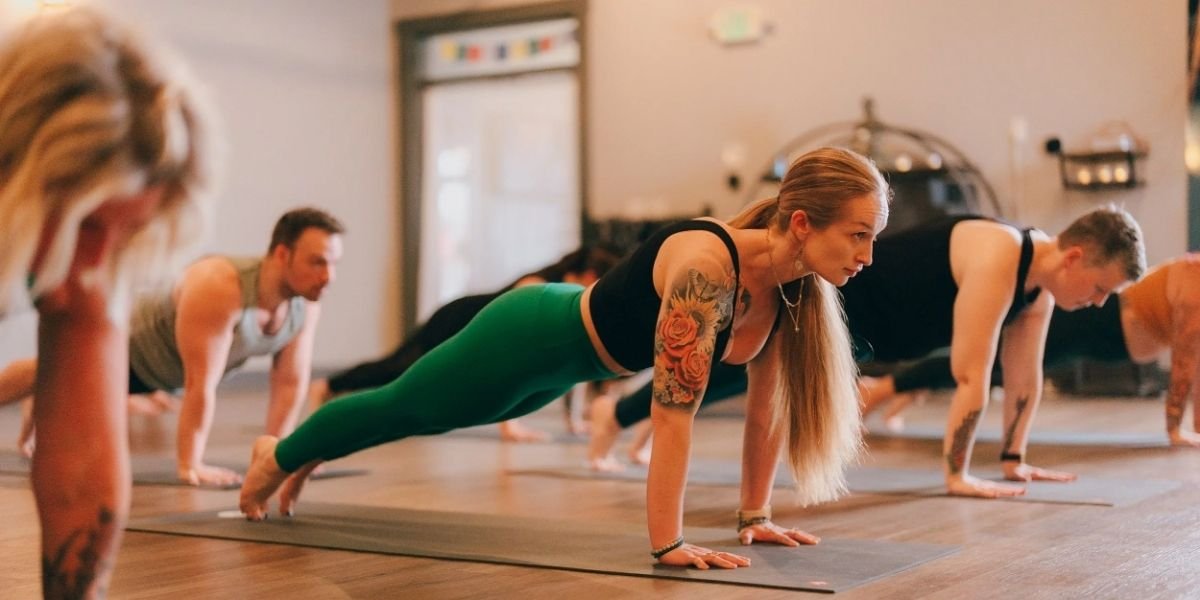
Walking into a yoga studio can feel intimidating, especially if I have never practiced before or have only seen advanced poses online. That uncertainty is exactly why I decided to begin at home. Practicing in my own space removed the pressure of comparing myself to others and gave me the freedom to learn at a comfortable pace.
How to Start Yoga at Home Without Feeling Overwhelmed became a question I asked myself before beginning my journey. I quickly discovered that yoga does not require expensive equipment, years of experience, or incredible flexibility. It simply requires patience, consistency, and a willingness to meet my body where it is each day. Once I let go of unrealistic expectations, my home practice became something I genuinely looked forward to instead of another task on my to-do list.
Let Go of the Pressure to Be Perfect
One of the biggest obstacles I faced had nothing to do with yoga itself. It came from believing I needed to perform every pose perfectly before I could call myself a beginner. Watching experienced instructors effortlessly move through challenging sequences made me question whether I was capable of doing the same.
That mindset changed after I realized yoga is a personal practice rather than a competition. My body has its own strengths, limitations, and pace of improvement. Comparing my first week to someone else’s tenth year only created unnecessary frustration.
Giving myself permission to be a beginner made every practice more enjoyable. Instead of worrying about how a pose looked, I focused on how it felt, and that simple change allowed my confidence to grow naturally.
Create a Comfortable Practice Space
A dedicated yoga room is not necessary. I started with a small corner of my living room that had enough space to stretch comfortably without bumping into furniture. That simple area became my place to disconnect from distractions and focus entirely on movement.
Natural light helped create a calm atmosphere whenever possible. On darker mornings, soft lighting made the room feel inviting instead of harsh. I also kept my yoga mat rolled out so I would not have another excuse to delay my practice.
Removing unnecessary clutter made a surprising difference. A clean, organized space helped my mind settle much faster, allowing me to transition from daily responsibilities into a more peaceful state.
Gather Only the Essentials
Many beginners believe they need expensive yoga accessories before getting started. I discovered that very little equipment is actually required. A supportive yoga mat provided enough cushioning, while comfortable clothing allowed me to move freely.
As my practice developed, I added a yoga block and a strap because they made certain stretches more accessible. Those simple tools improved my comfort without making me feel dependent on specialized equipment.
I avoided buying everything at once because unnecessary purchases often create pressure to justify the investment. Beginning with the basics kept the experience simple and affordable.
Start With Short Sessions
Long yoga classes can feel overwhelming during the first few weeks. Instead of committing to an hour every day, I began with sessions lasting fifteen to twenty minutes. That shorter commitment felt manageable even on busy mornings.
Ending each practice before I became exhausted left me looking forward to the next session. Building a positive routine proved much easier than pushing myself beyond my comfort level from the beginning.
As my confidence increased, extending the length of each practice happened naturally. The important part was establishing consistency rather than chasing long workouts.
Focus on Simple Poses First
Beginning with advanced postures only creates unnecessary frustration. I found much greater success by mastering basic movements before attempting anything more challenging. Simple poses provided all the flexibility, strength, and balance benefits I needed during my early months.
Child’s Pose became my favorite resting position because it helped release tension while encouraging slow, steady breathing. Cat-Cow Pose gently mobilized my spine, while Downward-Facing Dog stretched multiple muscle groups at once.
Mountain Pose also taught me valuable lessons about posture and balance. Standing still while paying attention to alignment reminded me that yoga is not always about dramatic movements. Sometimes the simplest poses teach the most important skills.
Learn to Breathe Before Worrying About Flexibility
I originally believed flexibility was the foundation of yoga. After practicing consistently, I realized breathing deserved even greater attention. Coordinating movement with slow, controlled breaths transformed every pose from ordinary stretching into mindful movement.
Whenever I noticed myself holding my breath, I paused and reset before continuing. Smooth breathing helped my muscles relax instead of resisting each stretch. It also reduced the mental tension that often accompanied challenging positions.
Breath awareness extended beyond my yoga sessions as well. During stressful moments throughout the day, I naturally returned to the same calm breathing patterns I practiced on my mat.
Follow Beginner-Friendly Routines
Searching online revealed thousands of yoga videos, but not all of them suited beginners. Some routines moved so quickly that I barely had time to understand one pose before the instructor transitioned into the next.
Starting with beginner-focused classes helped me build confidence gradually. Clear explanations and slower pacing allowed me to concentrate on proper alignment instead of constantly trying to catch up.
Repeating the same routine several times also proved beneficial. Familiar movements became more comfortable, allowing me to notice improvements that would have been difficult to recognize if I changed routines every day.
Accept That Progress Will Vary
Some mornings my body feels incredibly flexible, while other days simple stretches seem unusually difficult. At first, those inconsistent experiences frustrated me because I expected steady improvement every session.
Eventually I learned that flexibility naturally changes based on sleep, activity levels, hydration, and stress. Accepting those daily differences made yoga feel much less demanding and much more enjoyable.
Instead of measuring success by how deeply I stretched, I focused on simply showing up. Maintaining consistency mattered far more than achieving perfect performances.
Build a Routine That Fits Your Lifestyle
One reason many people stop practicing yoga is because they attempt routines that do not fit their schedules. I avoided that mistake by selecting a time I could realistically maintain throughout the week.
Morning sessions energized me before work, while evening practices helped release tension after long days. Neither option was objectively better. The best routine was simply the one I could maintain consistently.
Missing an occasional session no longer felt like failure. Rather than abandoning the habit entirely, I returned to my mat the following day without guilt or unnecessary pressure.
Listen to Your Body Instead of Your Ego
One lesson continues to guide every practice I complete. My body always provides valuable feedback if I am willing to pay attention. Sharp pain means I should stop, while gentle stretching usually signals healthy progress.
Trying to imitate advanced poses before developing the necessary mobility often creates setbacks instead of improvement. Respecting my current abilities has allowed my flexibility and strength to develop steadily without unnecessary injuries.
Yoga rewards patience more than determination. Giving my body time to adapt has consistently produced better results than forcing rapid progress.
Stay Motivated Without Adding Pressure
Motivation naturally rises and falls, so I stopped relying on it as my only reason to practice. Building simple habits proved much more effective. Rolling out my mat at the same time each day gradually turned yoga into part of my routine instead of something requiring constant motivation.
Celebrating small improvements also helped maintain enthusiasm. Standing a little taller, feeling less stiff after waking, or noticing better balance reminded me that meaningful progress often appears in subtle ways.
I also avoided expecting every practice to feel amazing. Some sessions felt energetic, while others simply provided a quiet opportunity to slow down. Both experiences contributed equally to my overall growth.
Mistakes Beginners Often Make
Trying to advance too quickly remains one of the most common beginner mistakes. Rushing into difficult poses usually creates frustration because the body needs time to develop flexibility, strength, and coordination together.
Ignoring proper alignment can also reduce the effectiveness of each pose. Moving carefully while paying attention to body position helps prevent discomfort and builds healthier movement patterns over time.
Another mistake is believing yoga should feel painful. Healthy stretching creates gentle tension, but sharp pain signals that something needs to change. Listening carefully to those signals has kept my practice enjoyable and sustainable.
Final Thoughts
Beginning a home yoga practice does not have to feel confusing or intimidating. A quiet space, a comfortable mat, a few basic poses, and consistent effort are enough to create meaningful progress. The journey becomes much more rewarding once unrealistic expectations are replaced with patience and curiosity.
How to Start Yoga at Home Without Feeling Overwhelmed is ultimately about making yoga fit naturally into everyday life instead of turning it into another source of stress. By focusing on simple routines, mindful breathing, and gradual improvement, I have built a practice that continues to strengthen both my body and my mindset. The most important step was never mastering advanced poses. It was simply deciding to begin, one relaxed breath and one gentle stretch at a time.