Feeling stiff can make the body seem older than it really is. Tight muscles affect the way I walk, sit, bend, and even how comfortably I sleep at night. After spending enough time dealing with sore hips, aching shoulders, and limited movement, I realized that flexibility deserved just as much attention as strength or endurance.
Best Yoga Poses to Improve Flexibility Fast became more than a goal once I committed to practicing consistently instead of stretching only when discomfort appeared. Yoga taught me that flexibility develops through patience, mindful breathing, and repeating the right movements regularly. Progress never arrived in one dramatic leap, but small improvements accumulated until everyday movements felt smoother, lighter, and far more comfortable.
Why Flexibility Deserves More Attention
Many people think flexibility is only important for athletes or experienced yogis. I believed that for years until I noticed how much stiffness influenced ordinary activities. Reaching overhead, tying my shoes, climbing stairs, or sitting through a long meeting all became easier once my muscles began moving through a healthier range of motion.
Improving flexibility also helps reduce unnecessary stress on joints. When muscles remain tight for long periods, nearby muscles compensate, eventually creating imbalances that may lead to discomfort or injury. Yoga encourages the entire body to move naturally instead of forcing one area to work harder than another.
Another benefit surprised me more than the physical changes. Spending even twenty minutes focusing on movement and breathing gave my mind an opportunity to slow down. I finished every session feeling calmer, more focused, and better prepared for the rest of my day.
Start Slowly Instead of Stretching Aggressively
One mistake I made early on was believing deeper stretches always meant better results. Instead of improving flexibility, I often left my practice feeling sore because I pushed beyond what my body was ready to handle. Real progress began after I learned to respect my limits.
Gentle stretching allows muscles to relax gradually. Rather than forcing movement, I concentrate on steady breathing and proper alignment. The body naturally responds better when it feels safe instead of threatened by excessive tension.
Consistency matters much more than intensity. Practicing several times each week produces greater improvements than one exhausting session followed by several days without movement. My flexibility improved once yoga became a regular habit rather than an occasional challenge.
Child’s Pose
Child’s Pose remains one of the simplest yet most rewarding stretches in my practice. It gently lengthens the spine while opening the hips and relaxing the shoulders. Whenever my body feels unusually tight, this is where I begin.
Lowering my hips toward my heels while extending my arms forward creates a comfortable stretch throughout my back. I avoid forcing my hips to touch my heels because every body moves differently. Slow breathing encourages my muscles to soften naturally.
Holding this position for about one minute prepares my body for deeper stretches ahead. It also provides a peaceful moment to clear my thoughts before moving into more active poses.
Cat-Cow Pose
Cat-Cow Pose is one of the most effective movements for restoring spinal mobility. Sleeping in one position or sitting for several hours often leaves my back feeling stiff, and this gentle flow quickly reverses that sensation.
Moving between arching and rounding my spine while matching each movement with my breath creates a smooth rhythm. I pay attention to how every section of my back moves instead of rushing through repetitions. That awareness helps me identify areas that need extra attention.
Within only a few rounds, my spine feels noticeably looser. My shoulders also become more relaxed, making later poses much easier to perform comfortably.
Downward-Facing Dog
Few yoga poses stretch as many muscles at once as Downward-Facing Dog. My hamstrings, calves, shoulders, arms, and spine all receive attention within a single position. It has become one of the foundations of my flexibility routine.
Instead of worrying about placing my heels flat on the floor, I focus on creating a long spine. Slightly bending my knees allows me to maintain proper alignment without straining tight muscles. That small adjustment makes the pose much more comfortable.
Remaining still for several deep breaths creates an energizing stretch throughout my body. Each practice leaves me feeling taller and lighter before moving into the next pose.
Standing Forward Fold
Standing Forward Fold teaches patience better than almost any other stretch. During my early practice, touching my toes seemed impossible. Gradually, I learned that flexibility improves far more quickly when I stop chasing immediate results.
I soften my knees slightly before folding from my hips. Allowing my upper body to hang naturally removes unnecessary pressure from my lower back while increasing the stretch through my hamstrings.
Over time I noticed steady improvements without forcing anything. My hands reached farther toward the floor, my lower back became less tense, and everyday bending required much less effort.
Low Lunge
Long hours spent sitting often shorten the hip flexors. Low Lunge directly addresses that tightness while stretching the thighs and strengthening the legs at the same time.
Stepping one foot forward and lowering my back knee immediately creates a satisfying stretch across the front of my hip. Keeping my chest lifted prevents unnecessary strain while encouraging better posture.
I remain in the pose for several breaths before switching sides. Consistent practice has noticeably improved my stride while walking and reduced stiffness after long periods of sitting.
Pigeon Pose
Pigeon Pose challenged me more than almost any other yoga position. My hips resisted the movement, making the stretch feel intense during my first few attempts. Instead of giving up, I learned to use props and move into the pose gradually.
Supporting one hip with a folded blanket allows my pelvis to remain level while reducing unnecessary pressure. That adjustment transformed the pose from uncomfortable to productive.
With regular practice, my hips became significantly more mobile. Tightness that once lingered for hours after sitting now disappears much more quickly.
Butterfly Pose
Butterfly Pose focuses on the inner thighs and hips, two areas that often receive little attention during daily activities. Sitting with the soles of my feet together creates an effective stretch without placing excessive stress on my joints.
Rather than pushing my knees toward the floor, I sit tall and allow gravity to work naturally. Deep breathing gradually encourages my hips to relax while maintaining a comfortable position.
This pose also reminds me that flexibility develops through patience instead of force. Remaining relaxed produces far greater improvements than aggressive stretching ever could.
Seated Forward Bend
Seated Forward Bend stretches the hamstrings while encouraging better posture. Maintaining a long spine remains more important than reaching my toes, so I never sacrifice alignment simply to move farther forward.
Beginning from my hips instead of rounding my back changes the entire stretch. Even reaching my shins provides noticeable benefits when the movement is performed correctly.
Holding the position for several breaths allows tension to release gradually. Each exhale encourages slightly more movement without creating discomfort.
Triangle Pose
Triangle Pose combines flexibility, balance, and strength in one graceful movement. Stretching through the sides of my body while lengthening the hamstrings creates an incredibly satisfying feeling from head to toe.
Resting my lower hand wherever it naturally reaches keeps my spine aligned. I avoid collapsing into the pose because maintaining length throughout the torso delivers a much better stretch.
Looking upward also opens my chest while encouraging better breathing. The pose leaves me feeling energized instead of fatigued.
Cobra Pose
Cobra Pose provides the perfect counterbalance to forward bends. Lifting my chest strengthens the muscles along my spine while stretching my abdomen and opening the front of my shoulders.
I keep my elbows slightly bent and avoid pushing into a dramatic backbend. The goal is gentle extension rather than maximum height.
After several breaths, my posture feels noticeably better. My shoulders naturally rest farther back, helping reduce the rounded position caused by long hours at a desk.
Supine Spinal Twist
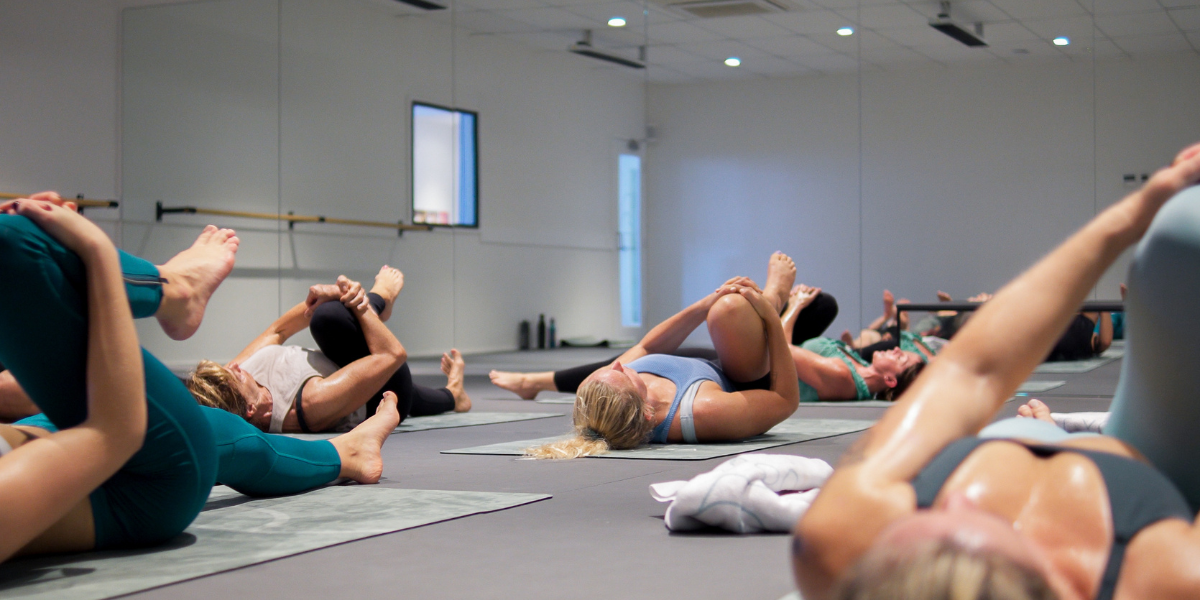
Ending my flexibility routine with a gentle spinal twist helps release any remaining tension. Lying comfortably on my back while allowing one knee to cross my body creates a relaxing stretch through my lower back and hips.
I never force my shoulders to remain flat if my body resists the movement. Instead, I focus on breathing slowly while allowing gravity to deepen the twist naturally.
Switching sides completes the practice with a sense of balance. My spine feels refreshed, and the tension accumulated throughout the day gradually melts away.
Common Mistakes That Slow Progress
Trying to stretch too deeply remains one of the biggest obstacles to improving flexibility. Muscles naturally tighten when forced beyond their limits, making aggressive stretching counterproductive. Staying within a comfortable range allows the body to relax instead of resisting.
Holding my breath also limits progress. Slow, steady breathing signals my nervous system that it is safe to release muscular tension. Once I learned to breathe consistently throughout every pose, flexibility improved much more quickly.
Skipping recovery days can become another problem. Muscles need time to adapt after stretching sessions, just as they do after strength training. Alternating active yoga days with lighter recovery sessions keeps my body feeling fresh and motivated.
Building a Lasting Routine
One lesson has stayed with me throughout my yoga journey. Practicing for twenty minutes three or four times each week produces far greater results than waiting for the perfect opportunity to complete an hour-long session. Consistency always wins.
I also avoid comparing my flexibility with anyone else’s. Every body has different proportions, previous injuries, and natural mobility. Measuring progress against my own starting point keeps the experience positive and rewarding.
Most importantly, I remind myself that flexibility is not the ultimate goal. Moving comfortably, reducing stiffness, and enjoying everyday life without unnecessary pain matter far more than achieving impressive yoga poses.
Final Thoughts
Improving flexibility does not require extraordinary athletic ability or endless hours of practice. It develops through steady effort, mindful breathing, and a willingness to respect the body’s natural pace. Each yoga session builds upon the last, creating progress that becomes noticeable in both movement and overall well-being.
Best Yoga Poses to Improve Flexibility Fast has become a practical guide for the way I care for my body rather than a promise of instant results. Child’s Pose, Downward-Facing Dog, Pigeon Pose, Butterfly Pose, and the other stretches in this routine have helped me move with greater confidence, better posture, and less discomfort. Staying consistent has delivered far greater rewards than chasing perfection, and that simple lesson continues to shape every practice I step onto the mat for.