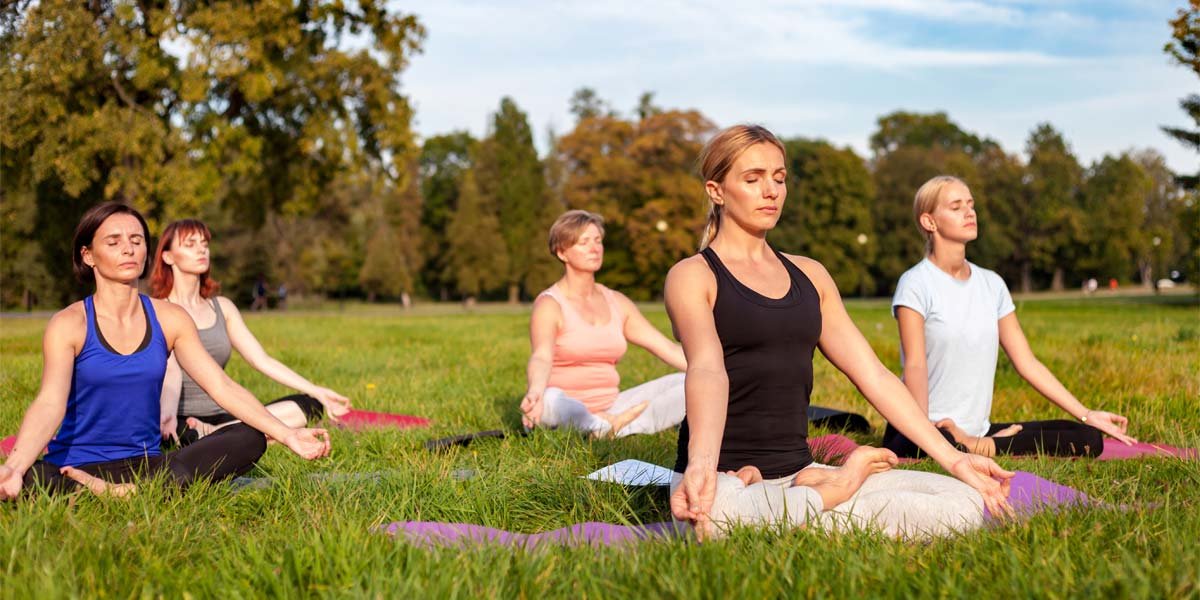
Yoga has become one of the most popular forms of exercise in the world, yet it remains surrounded by countless misconceptions. Before I began practicing, I believed many of the same myths that discourage people from trying yoga in the first place. I assumed I needed to be naturally flexible, that yoga was too easy to count as real exercise, and that it was only suitable for certain types of people. None of those assumptions turned out to be true.
The more I practiced and learned from experienced instructors, the more I realized that yoga is remarkably adaptable and welcoming. It can challenge elite athletes, support complete beginners, help older adults stay mobile, and offer stress relief to people from every walk of life. In this article, I will debunk the biggest yoga myths, explain why these misunderstandings continue to exist, and help you see what yoga is really all about.
Myth: You Need to Be Flexible Before Starting Yoga
This is probably the most common misconception I hear whenever someone says they are interested in yoga. Many people believe they need to touch their toes or perform advanced stretches before they are even allowed to join a class.
The reality is exactly the opposite. Yoga is one of the best ways to improve flexibility, not a reward reserved for people who already have it. Beginners often start with limited mobility, and regular practice gradually increases range of motion without forcing the body into uncomfortable positions.
I certainly was not flexible when I started. Consistent practice made a far greater difference than any natural ability ever could.
Myth: Yoga Is Only Stretching
Stretching is certainly part of yoga, but it represents only one piece of a much larger practice. Many poses also develop muscular strength, balance, endurance, coordination, and stability.
During challenging sequences, I often find my heart rate increasing while my arms, legs, and core work continuously to support my body. Certain styles of yoga provide a workout that rivals many traditional fitness programs.
Breathing exercises, meditation, and mindfulness also distinguish yoga from ordinary stretching routines, creating benefits that extend well beyond physical flexibility.
Myth: Yoga Is Too Easy to Build Strength
People sometimes underestimate yoga because it does not always involve lifting heavy weights. However, holding body-weight poses for extended periods requires considerable muscular effort.
Poses such as Plank, Chair Pose, Warrior II, Side Plank, and Crow Pose challenge multiple muscle groups simultaneously while improving balance and control. Even experienced athletes can find advanced yoga sequences surprisingly demanding.
Strength developed through yoga also tends to be highly functional because it improves coordination, stability, and mobility alongside muscular endurance.
Myth: Yoga Is Only for Women
One misconception that continues to discourage many men from trying yoga is the belief that it is primarily a women’s activity. In reality, yoga has historically been practiced by both men and women for thousands of years.
Today, professional athletes, military personnel, martial artists, and fitness enthusiasts of all backgrounds regularly include yoga in their training programs. The physical and mental benefits apply equally regardless of gender.
I have practiced alongside people of every age and background, and yoga consistently proves itself to be one of the most inclusive forms of exercise available.
Myth: You Must Be Young to Practice Yoga
Age has very little to do with whether someone can benefit from yoga. One of the reasons I admire the practice so much is its remarkable adaptability.
Chair Yoga, Gentle Yoga, and Restorative Yoga make movement accessible for older adults or anyone with limited mobility. At the same time, more physically demanding styles continue to challenge younger practitioners seeking greater strength and endurance.
Yoga meets people where they are rather than expecting everyone to perform the same movements.
Myth: Advanced Poses Define Success
Social media often creates the impression that successful yoga means performing handstands, arm balances, or dramatic backbends. Those images can make beginners feel as though they are already behind before they even begin.
The truth is that advanced poses represent only a tiny part of yoga. Consistent breathing, improved posture, greater body awareness, and reduced stress are equally meaningful signs of progress.
Some of the most rewarding yoga sessions I have experienced involved simple poses performed with patience and complete focus.
Myth: Yoga Is a Religion
This misconception prevents some people from exploring yoga because they worry it may conflict with their personal beliefs.
While yoga has historical roots in ancient spiritual traditions, modern yoga classes are typically focused on physical movement, breathing, mindfulness, and relaxation. People from many different religious and cultural backgrounds practice yoga comfortably without changing their personal beliefs.
Many practitioners simply appreciate yoga as a form of exercise and stress management that supports overall well-being.
Myth: You Need Expensive Equipment
One reason yoga remains so accessible is that it requires very little equipment to get started. A comfortable mat provides everything I need for most home practices.
Accessories such as blocks, straps, blankets, or bolsters certainly enhance comfort, but they are optional rather than mandatory. Many poses can also be modified using household items when necessary.
Expensive clothing is equally unnecessary. Comfortable clothing that allows free movement is more important than designer athletic wear.
Myth: Yoga Is Only for Calm People
Some people believe they need to feel peaceful before they can practice yoga. In reality, many of us come to yoga precisely because life feels stressful or overwhelming.
I have often started a session feeling anxious, distracted, or mentally exhausted. By the end, slow breathing and mindful movement usually leave me feeling noticeably calmer.
Yoga does not require perfect inner peace. Instead, it helps cultivate that peace through regular practice.
Myth: Yoga Cannot Help Athletes
Athletes sometimes overlook yoga because they assume strength training and sport-specific practice provide everything they need.
However, yoga improves flexibility, balance, mobility, recovery, coordination, and injury prevention, all of which support athletic performance. Many elite competitors regularly include yoga within their training schedules.
Improved movement quality often enhances performance across a wide variety of sports while reducing muscular imbalances caused by repetitive training.
Myth: You Must Practice Every Day
Consistency certainly produces excellent results, but practicing yoga every single day is not a requirement for success.
I have found that practicing several times each week fits comfortably into my schedule while still delivering meaningful improvements in flexibility, strength, and stress management. Even shorter sessions contribute to long-term progress.
The quality of practice almost always matters more than the number of sessions completed.
Myth: Yoga Is Only Physical Exercise
Although physical movement receives much of the attention, yoga also develops breathing awareness, concentration, patience, and mindfulness.
Many of the lessons I have learned through yoga now influence how I respond to stressful situations, communicate with others, and manage everyday challenges. The practice extends well beyond the boundaries of the mat.
That combination of physical and mental benefits is one of the reasons yoga continues to attract people from so many different backgrounds.
Why These Myths Continue to Exist
Many yoga myths persist because people only see small parts of the practice through advertisements, social media, or brief online videos. Dramatic poses attract attention, but they rarely represent what most yoga sessions actually look like.
Limited personal experience also contributes to misunderstandings. Until I explored different styles of yoga myself, I assumed they were all identical. In reality, the variety within yoga allows almost anyone to find a practice that matches their goals and abilities.
Education remains one of the best ways to replace misconceptions with realistic expectations. Learning about yoga before stepping onto the mat helps eliminate unnecessary fears that prevent many beginners from getting started.
Tips for Beginning With Confidence
If you are new to yoga, remember that everyone begins somewhere. Flexibility, balance, and strength improve gradually, and no one expects beginners to perform advanced poses immediately.
Selecting a beginner-friendly class, listening carefully to your body, and using props whenever needed create a much more enjoyable experience. Asking instructors for modifications also helps build confidence while reducing unnecessary frustration.
Most importantly, allow yourself to enjoy the learning process. Yoga is a lifelong practice, not a competition.
Final Thoughts
Many of the beliefs that discourage people from trying yoga simply are not true. You do not need exceptional flexibility, expensive equipment, advanced athletic ability, or years of experience to enjoy its benefits. Yoga welcomes beginners, experienced athletes, older adults, and everyone in between.
Debunking the biggest yoga myths helps reveal what the practice truly offers: improved strength, greater flexibility, reduced stress, better balance, enhanced mobility, and a healthier relationship with both body and mind. The most important step is simply beginning. Once you do, you may discover that many of the assumptions you once believed disappear with each session on the mat.