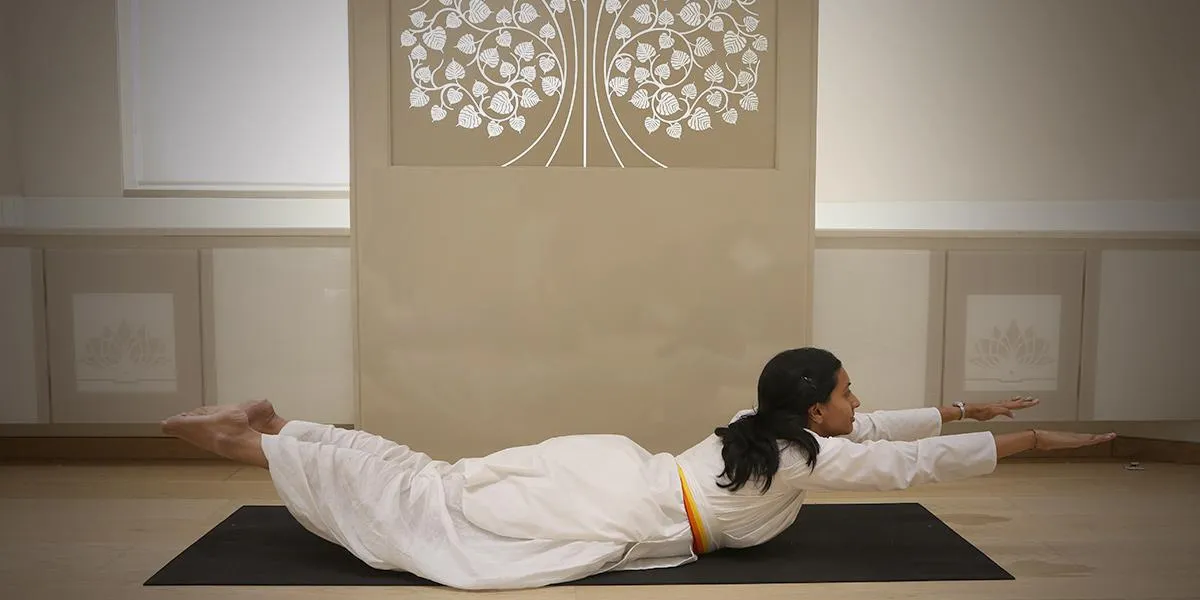
Growing older has changed the way I think about fitness. In my younger years, I focused on pushing harder, lifting heavier, and measuring success by how much I could accomplish in a single workout. As time passed, I realized that true health is not only about building strength but also about preserving mobility, maintaining balance, protecting my joints, and feeling capable of enjoying everyday life for as many years as possible.
That shift in perspective is what drew me toward yoga. I discovered that it offers something many exercise programs overlook. Rather than concentrating on one aspect of fitness, yoga supports flexibility, strength, balance, posture, breathing, and mental well-being all at the same time. The best yoga practices for healthy aging have helped me move more comfortably, recover more quickly, and maintain confidence in my body’s ability to handle daily activities.
Healthy Aging Begins Long Before Old Age
One lesson I have learned is that healthy aging is not something that starts after retirement. The habits I develop today influence how my body will feel years from now. Waiting until pain or stiffness becomes severe makes improvement much more difficult.
Regular movement is one of the most important investments I can make in my future health. Muscles become stronger when they are challenged, joints stay mobile through consistent movement, and balance improves with regular practice. Yoga supports all of these areas without placing excessive stress on the body.
Healthy aging also includes emotional well-being. Feeling calm, sleeping well, and managing stress all contribute to a healthier body, making yoga valuable beyond its physical benefits.
Why Yoga Is Ideal for Long-Term Wellness
Unlike high-impact workouts that may become difficult with age, yoga can be adapted to suit nearly every fitness level. Whether I feel energetic or need a gentler session, I can modify poses to match my body’s needs without losing the benefits of the practice.
Yoga also encourages quality of movement rather than speed. Instead of rushing through exercises, I focus on proper alignment, steady breathing, and controlled transitions. That mindful approach reduces unnecessary strain while improving body awareness.
Perhaps most importantly, yoga grows with me. The practice continues providing benefits regardless of age because it can evolve alongside my changing abilities and goals.
Breathing Supports Healthy Aging
Breathing is something I rarely paid attention to before beginning yoga. Now I recognize that deep, controlled breathing supports both physical and mental health.
Slow breathing helps my body relax while encouraging better oxygen delivery throughout my system. It also improves concentration, reduces stress, and creates a stronger connection between movement and awareness.
Beginning every practice with several minutes of mindful breathing prepares both my body and mind for the session ahead. It reminds me that wellness starts with the simplest habits.
Mountain Pose
Mountain Pose appears uncomplicated, but it teaches the foundation of healthy posture. Standing tall with my weight evenly distributed improves alignment throughout my entire body.
As I lengthen my spine and relax my shoulders, I become more aware of how I carry myself throughout the day. Better posture reduces unnecessary strain on my neck, back, and joints.
Practicing Mountain Pose regularly has helped me stand more confidently while improving my overall body awareness.
Tree Pose
Maintaining balance becomes increasingly important as we grow older, and Tree Pose is one of my favorite ways to strengthen this essential skill. Standing on one leg challenges both my muscles and my concentration.
I begin by placing one foot against my ankle or calf before gradually progressing higher as my balance improves. Looking at a fixed point helps me remain steady without unnecessary tension.
Even when I wobble, I remind myself that every adjustment strengthens the stabilizing muscles responsible for keeping me balanced in everyday life.
Chair Pose
Chair Pose strengthens muscles that support everyday movements such as standing up from a chair, climbing stairs, and lifting objects safely.
Lowering my hips while keeping my chest lifted activates my legs, hips, and core simultaneously. Although the pose feels challenging, I appreciate how closely it resembles movements I perform every day.
Improving strength through functional positions helps me maintain independence as I grow older.
Warrior II
Warrior II develops strength, endurance, and stability while encouraging proper posture. Holding the pose teaches me to remain steady while breathing calmly under physical effort.
Strong legs and hips support healthy joints by reducing unnecessary stress during daily activities. The pose also strengthens my core, which contributes to improved balance.
Practicing Warrior II leaves me feeling physically capable and mentally focused at the same time.
Cat-Cow Stretch
Maintaining spinal mobility is one of my priorities, and Cat-Cow Stretch provides gentle movement throughout my entire back.
Alternating between arching and rounding my spine relieves stiffness that develops from prolonged sitting while encouraging coordinated breathing.
This simple sequence often becomes my favorite morning stretch because it helps me start the day feeling comfortable and mobile.
Bridge Pose
Bridge Pose strengthens the muscles that support my lower back and hips while gently opening the front of my body.
Pressing through my feet as I lift my hips activates my glutes and hamstrings, muscles that often weaken with prolonged sitting.
A stronger posterior chain supports better posture and makes many everyday activities feel easier.
Downward-Facing Dog
Downward-Facing Dog stretches multiple muscle groups while gently strengthening my shoulders, arms, and legs.
Rather than worrying about perfectly straight legs, I focus on creating length through my spine while breathing steadily.
The pose improves flexibility without sacrificing strength, making it one of the most complete movements in my practice.
Seated Forward Bend
Flexibility naturally decreases with age, making regular stretching increasingly valuable. Seated Forward Bend gently lengthens my hamstrings, back, and calves while encouraging relaxation.
I avoid forcing myself toward my feet. Instead, I maintain a long spine and allow the stretch to deepen gradually with each breath.
Patience consistently produces better results than trying to stretch aggressively.
Legs Up the Wall
Recovery becomes more important as I grow older, and Legs Up the Wall has become one of my favorite restorative poses.
Resting comfortably with my legs elevated encourages relaxation while giving my body an opportunity to recover after busy days.
This posture reminds me that healthy aging requires both movement and adequate rest.
Corpse Pose
Corpse Pose completes every practice by allowing my body to absorb the benefits of the session.
Lying quietly with my eyes closed encourages complete relaxation while helping my breathing return to its natural rhythm.
These final minutes often become the most peaceful part of my practice, leaving me mentally refreshed as well as physically restored.
Yoga Supports Joint Health
Healthy joints rely on regular movement to remain comfortable and mobile. Gentle yoga encourages movement through a full range of motion without placing excessive impact on knees, hips, shoulders, or the spine.
I have found that consistent stretching helps reduce stiffness that develops after sitting for long periods. Strong muscles surrounding the joints also provide better support during everyday activities.
While yoga cannot reverse conditions like arthritis, it can often help maintain mobility and improve comfort when practiced appropriately and with guidance when necessary.
Mental Well-Being Is Part of Healthy Aging
Physical health is only one part of aging well. Maintaining emotional balance, reducing stress, and preserving mental clarity become equally important over time.
Yoga encourages mindfulness by bringing my attention to the present moment. Instead of worrying about the future or dwelling on the past, I focus on my breathing and movement.
That habit has improved my ability to manage daily stress while supporting a more positive outlook on life.
Daily Habits That Complement Yoga
Although yoga plays a central role in my routine, I have learned that healthy aging depends on multiple healthy habits working together. Eating nutritious foods, staying hydrated, sleeping well, and remaining physically active all contribute to long-term wellness.
Walking regularly complements my yoga practice by supporting cardiovascular health while maintaining endurance. Spending time outdoors also improves my mood and encourages consistent movement.
Staying socially connected has become another important part of healthy aging. Positive relationships support emotional health just as much as exercise supports physical health.
Common Mistakes to Avoid
One mistake I have learned to avoid is comparing my abilities with younger versions of myself or with other people. Healthy aging is about maintaining function, not competing.
Ignoring pain is another mistake that can lead to unnecessary injuries. Mild stretching discomfort is normal, but sharp pain is a signal to stop and reassess the movement.
Trying to progress too quickly also works against long-term success. Small improvements made consistently produce far greater benefits than pushing beyond my body’s limits.
Building a Practice for the Future
The greatest benefit of yoga comes from making it a regular part of daily life. I no longer view it as something I do only when I have extra time. Instead, it has become one of the foundations of my overall health.
Some days I complete a longer session, while other days I focus on gentle stretching and breathing for just fifteen minutes. Both contribute to maintaining strength, flexibility, and mobility.
The important thing is showing up consistently. Healthy aging is built through small habits repeated over many years rather than occasional bursts of motivation.
Final Thoughts
Growing older does not mean giving up strength, mobility, or independence. With the right habits, it is possible to continue moving comfortably, maintaining balance, protecting joint health, and supporting emotional well-being throughout every stage of life. Yoga offers a unique combination of flexibility, strength, mindfulness, and relaxation that makes it one of the most effective forms of exercise for long-term wellness.
The best yoga practices for healthy aging have helped me appreciate that true fitness is measured by how well I can enjoy everyday life. Each session strengthens my body, sharpens my focus, and reminds me that caring for my health today creates the foundation for a healthier tomorrow. With patience and consistency, yoga becomes far more than an exercise routine. It becomes a lifelong companion that supports graceful, active, and healthy aging.