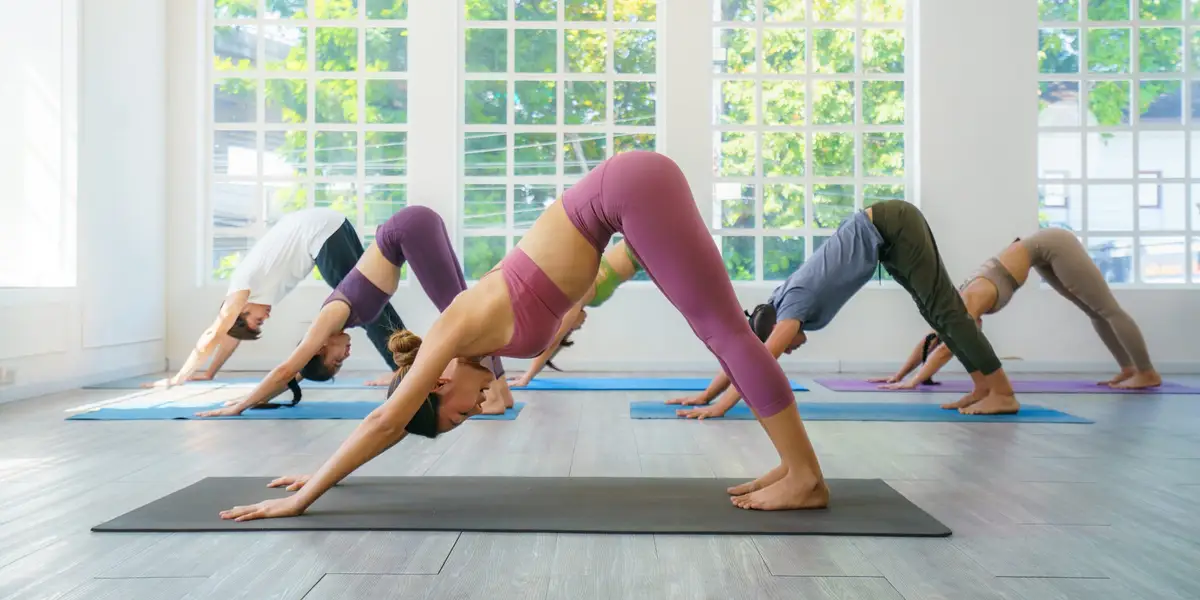
Long hours at a desk can leave my body feeling much older than it actually is. By the end of a busy workday, I often notice tight hips, stiff shoulders, an aching lower back, and a neck that seems determined to stay locked in one position. Sitting may not seem physically demanding, but after spending eight or more hours in the same posture, the effects become impossible to ignore. Even my energy and concentration begin to fade when my body has remained inactive for too long.
That was one of the biggest reasons I made yoga part of my daily routine. I did not need an intense workout in the middle of my workday. What I needed were simple stretches that could undo some of the stiffness created by sitting for hours at a time. Practicing yoga for office workers has helped me improve my posture, reduce muscle tension, and finish the day feeling far more comfortable than I once did. The best part is that many of these stretches take only a few minutes and require very little space.
Why Office Work Takes a Toll on the Body
Most office jobs require long periods of sitting, often in front of a computer screen. Although sitting feels effortless, remaining in one position for several hours places constant pressure on my spine, hips, and lower back. My muscles gradually become tight because they are not moving through their full range of motion.
Poor posture adds another layer to the problem. Whenever I lean toward my screen or look down at my keyboard, my shoulders round forward and my neck begins supporting more weight than it was designed to handle. By the afternoon, I often realize that my shoulders have crept toward my ears and my jaw has become tense without me noticing.
Stress also contributes to physical discomfort. Busy deadlines, meetings, and constant emails can leave me holding tension throughout my upper body. Even if my work is not physically demanding, the combination of mental stress and prolonged sitting affects the way my entire body feels.
Why Yoga Works So Well for Office Workers
One reason yoga has been so effective is that it addresses multiple problems at once. Gentle stretches improve flexibility, strengthening exercises support better posture, and mindful breathing reduces stress that often contributes to muscle tension.
Unlike high-intensity workouts, yoga allows me to move slowly and deliberately. That slower pace helps me notice areas of tightness before they become painful. Instead of simply exercising, I become more aware of how my body feels throughout the day.
Another advantage is that yoga fits easily into a busy schedule. Even ten or fifteen minutes during a lunch break or after work can make a noticeable difference in how comfortable I feel.
Start With Mindful Breathing
Before stretching, I always spend a minute focusing on my breathing. Sitting at a desk often causes my breathing to become shallow without me realizing it. Slowing down helps my body shift away from stress and prepares my muscles to relax.
I inhale deeply through my nose, allowing my ribs and abdomen to expand naturally. My exhale lasts slightly longer than my inhale, helping my shoulders soften and my heart rate slow.
These few moments create a clear mental break between work and movement. I find it much easier to stretch effectively after allowing my mind to settle.
Neck Stretch
My neck is usually the first place where I notice stiffness after a long day at the computer. A gentle neck stretch quickly helps restore comfortable movement.
While sitting or standing tall, I slowly lower one ear toward my shoulder without lifting the opposite shoulder. I avoid pulling on my head because gentle movement is all that is necessary.
Holding the stretch for several breaths before switching sides relieves tension that has accumulated from staring at screens throughout the day.
Shoulder Rolls
Shoulder Rolls may seem simple, but they consistently help loosen muscles that tighten during long periods of desk work. I often perform them several times throughout the day without leaving my chair.
I slowly roll my shoulders upward, backward, and downward in smooth circles. After several repetitions, I reverse the direction to ensure balanced movement.
The exercise immediately improves circulation while encouraging my shoulders to return to a more natural position.
Cat-Cow Stretch
Cat-Cow Stretch restores movement throughout my spine after hours of remaining seated. The flowing motion gently mobilizes my neck, upper back, and lower back all at once.
As I inhale, I lift my chest while allowing my belly to soften. During the exhale, I round my spine and tuck my chin toward my chest.
Moving slowly with my breath transforms this exercise into a relaxing reset that helps reduce both physical and mental tension.
Child’s Pose
Child’s Pose creates an immediate feeling of relief after sitting for most of the day. Folding forward gently lengthens my spine while allowing my shoulders and hips to relax.
I extend my arms comfortably in front of me and allow my forehead to rest on the mat. Instead of forcing the stretch, I simply remain still and breathe deeply.
Several quiet minutes in this position leave my back feeling noticeably less compressed and my mind much calmer.
Thread the Needle Pose
Thread the Needle targets tightness around my shoulders and upper back, two areas that often become stiff from typing and computer work.
Starting on my hands and knees, I gently slide one arm underneath my body while lowering my shoulder toward the floor. My supporting arm helps me remain stable throughout the stretch.
After holding for several breaths, I repeat the movement on the opposite side. The difference in my shoulder mobility afterward is always noticeable.
Low Lunge
Hours of sitting leave my hip flexors feeling unusually tight. Low Lunge stretches the front of my hips while improving mobility throughout my lower body.
I carefully step one foot forward while lowering my opposite knee toward the floor. Rather than pushing deeply into the stretch, I focus on maintaining comfortable alignment.
Repeating the pose on both sides helps restore movement that prolonged sitting gradually limits.
Seated Forward Bend
Seated Forward Bend stretches my back, hamstrings, and calves while encouraging complete relaxation. I appreciate how naturally this posture slows my breathing.
I sit with my legs extended before gently folding forward from my hips. My focus remains on lengthening my spine rather than reaching my toes.
The stillness of this pose helps release tension that builds throughout both my body and my mind.
Standing Forward Fold
Standing Forward Fold provides a wonderful release for my neck, shoulders, and lower back. Allowing my upper body to hang freely creates gentle traction throughout my spine.
I keep a slight bend in my knees to avoid unnecessary strain on my lower back. Gravity gradually deepens the stretch without requiring force.
Remaining here for several breaths consistently leaves me feeling lighter and more refreshed.
Bridge Pose
Bridge Pose strengthens muscles that become weak from excessive sitting. My glutes, hamstrings, and core all work together to support my spine more effectively.
Pressing through my feet, I slowly lift my hips while keeping my shoulders relaxed. I avoid rushing through the movement, focusing instead on smooth, controlled repetitions.
Strengthening these muscles improves my posture even when I return to my desk.
Legs Up the Wall
After spending an entire day sitting or standing, Legs Up the Wall feels incredibly restorative. Elevating my legs encourages relaxation while reducing fatigue.
I position myself beside a wall before extending my legs upward. Resting quietly for several minutes requires almost no physical effort but produces remarkable relaxation.
This pose has become one of my favorite ways to transition from work into the rest of my evening.
Corpse Pose
Corpse Pose allows everything I practiced beforehand to settle into my body. I lie comfortably on my back with my arms resting naturally beside me and my eyes closed.
Instead of thinking about unfinished work, I focus entirely on slow breathing. Whenever my mind wanders, I gently return my attention to the present moment.
These final minutes leave me feeling physically refreshed and mentally prepared for the rest of my day.
Healthy Habits Beyond the Yoga Mat
Yoga has helped tremendously, but I have also changed the way I work throughout the day. I now stand up every thirty to sixty minutes, even if it is only for a brief walk across the room. Those short breaks prevent stiffness from accumulating before it becomes uncomfortable.
I also adjusted my workstation to support better posture. Positioning my monitor at eye level, keeping my feet flat on the floor, and using a supportive chair have all reduced unnecessary strain on my neck and back.
Staying hydrated has made an unexpected difference as well. Drinking enough water encourages me to get up regularly while supporting my overall health throughout the workday.
Common Mistakes Office Workers Make
One mistake I often made was waiting until I felt significant pain before stretching. Gentle movement works much better as prevention than as an emergency solution after stiffness has already developed.
Ignoring posture was another habit I had to break. Even the best yoga routine cannot completely offset poor sitting habits if I spend the rest of the day slouching over my desk.
Trying to stretch too aggressively is equally unhelpful. Slow, comfortable movements consistently provide better long-term results than forcing my body into deep positions.
Making Yoga Part of the Workday
One of the reasons this routine has lasted is that I stopped thinking of yoga as something that only happens at the gym or in a studio. Many of these stretches fit easily into short breaks between meetings or during lunch.
Some days I complete the entire routine after work. On busier days, I perform only a few stretches whenever I notice my body becoming stiff. Both approaches provide meaningful benefits because consistency matters more than perfection.
The more regularly I move throughout the day, the less tension I carry into the evening. That simple habit has improved not only my comfort but also my productivity and focus at work.
Final Thoughts
Office work places unique demands on the body, but discomfort does not have to become a permanent part of the job. Gentle yoga stretches help counteract the effects of prolonged sitting by improving posture, increasing flexibility, strengthening supporting muscles, and reducing stress that often settles into the neck, shoulders, and back.
Yoga for office workers has transformed the way I feel during and after the workday. Instead of ending each evening stiff, tired, and uncomfortable, I now have a simple routine that restores movement and helps me leave work feeling refreshed. With just a few minutes of mindful stretching each day, it is possible to improve both physical comfort and overall well-being, no matter how many hours are spent behind a desk.