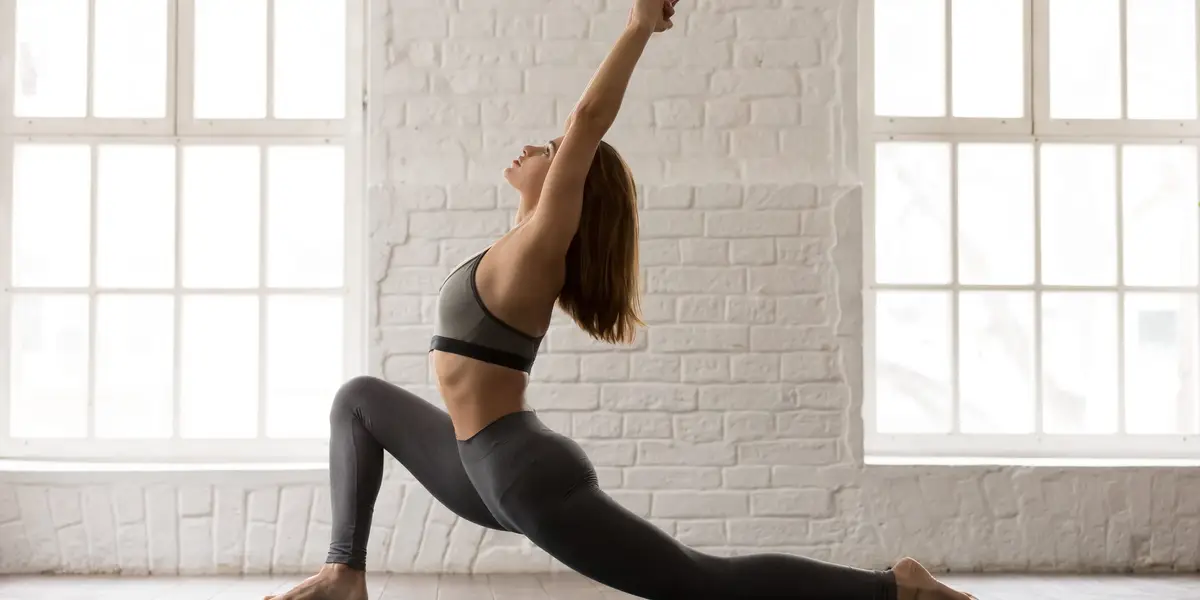
Feeling steady on my feet is something I once took for granted. It was not until I noticed myself wobbling during simple exercises, losing confidence on uneven ground, or struggling to hold certain yoga poses that I realized balance is a skill that deserves just as much attention as strength and flexibility. Good balance influences almost every movement I make, from climbing stairs to carrying groceries and even standing still while putting on my shoes.
Yoga has become one of the most effective ways I have found to improve that stability. While many people associate yoga with stretching, I have learned that it also strengthens the muscles responsible for keeping the body aligned and steady. Practicing yoga for better balance and stability has not only made me physically stronger but has also improved my concentration, body awareness, and confidence in everyday life.
Why Balance Matters More Than Most People Think
Balance affects nearly every movement I make throughout the day. Walking, reaching for objects, bending down, and changing direction all depend on my body’s ability to stay stable. When balance is poor, even simple activities can become awkward or uncomfortable.
Stability is about much more than avoiding falls. It allows my muscles to work together efficiently, protects my joints from unnecessary strain, and improves my posture during both movement and rest. Strong balance also makes other forms of exercise feel easier because my body can control itself more effectively.
I have discovered that balance depends on several systems working together. My muscles provide strength, my joints supply mobility, my eyes help with orientation, and my nervous system constantly processes information to keep me upright. Yoga challenges all of these systems at the same time, making it an incredibly effective practice.
How Yoga Builds Better Stability
One of the biggest lessons yoga has taught me is that stability begins with awareness. Before I can improve my balance, I need to notice how I distribute my weight, where my posture begins to collapse, and which muscles are working harder than they should.
Unlike fast-paced workouts, yoga encourages slow, deliberate movement. That slower pace gives me time to make small adjustments that improve alignment. Instead of rushing through exercises, I focus on maintaining control from beginning to end.
The practice also strengthens many of the smaller stabilizing muscles that traditional workouts sometimes overlook. These muscles play a vital role in supporting my ankles, knees, hips, and core, helping me remain steady during both exercise and everyday activities.
Mountain Pose
Mountain Pose looks incredibly simple, but it has completely changed how I think about standing. Instead of merely remaining upright, I actively engage my legs, lengthen my spine, and distribute my weight evenly across both feet.
I pay close attention to the way my feet connect with the floor. Pressing evenly through my heels, the balls of my feet, and my toes creates a solid foundation that supports the rest of my body. That awareness carries into my posture long after I leave the yoga mat.
Holding this pose teaches patience because very little appears to be happening from the outside. Internally, however, I am strengthening postural muscles while improving my sense of alignment and stability.
Tree Pose
Tree Pose quickly became one of my favorite balance exercises because it challenges both my body and my concentration. Standing on one leg immediately reveals whether my attention has wandered elsewhere.
I place one foot against my opposite ankle, calf, or inner thigh while avoiding direct pressure on the knee. Bringing my hands together at my chest helps me feel centered before extending my arms overhead if I feel steady.
Instead of becoming frustrated when I wobble, I remind myself that small adjustments are part of the learning process. Each attempt strengthens my balance a little more than the last.
Warrior III
Warrior III requires strength, focus, and patience all at once. Balancing on one leg while extending the rest of my body into a straight line challenges nearly every stabilizing muscle I have.
Rather than lifting my leg as high as possible, I focus on keeping my hips level and my core engaged. That attention to alignment creates much greater stability than simply chasing height.
Even holding the pose for a few seconds leaves me feeling stronger. Repeating it on both sides gradually improves coordination and body control.
Eagle Pose
Eagle Pose challenges my balance in a completely different way by narrowing my base of support. Wrapping one leg around the other forces my stabilizing muscles to work continuously.
My arms also become part of the exercise as I intertwine them in front of my body. Coordinating both my upper and lower body requires concentration, making this pose mentally engaging as well as physically demanding.
I have learned not to worry if I cannot wrap my limbs perfectly. Simply working toward the position provides valuable balance training.
Half Moon Pose
Half Moon Pose tests my stability from multiple angles. Balancing on one leg while opening my body sideways challenges muscles that I rarely notice during everyday movements.
Using a yoga block beneath my supporting hand helps me maintain proper alignment without sacrificing balance. That small modification allows me to focus on control instead of struggling to reach the floor.
As my confidence improves, I rely less on support and begin trusting my body’s ability to stabilize itself naturally.
Chair Pose
Chair Pose may appear simple, but holding it properly requires significant strength and stability. Sitting back into an imaginary chair forces my legs and core to work together.
I keep my weight evenly distributed across both feet while avoiding the temptation to lean too far forward. Maintaining a long spine helps protect my lower back while improving overall posture.
Holding the pose for several breaths strengthens muscles that support balance during walking, climbing stairs, and countless other daily activities.
High Lunge
High Lunge develops stability while strengthening my lower body. The split stance requires constant adjustments as my legs work to maintain balance throughout the pose.
I keep my front knee aligned above my ankle while pressing firmly through my back heel. Engaging my core prevents unnecessary swaying and keeps my torso upright.
The longer I hold the position, the more aware I become of the subtle movements my body makes to remain stable.
Standing Knee Lift
One of the simplest balance exercises in my routine is also one of the most effective. Standing on one leg while lifting the opposite knee teaches my body to stabilize itself during movement rather than only while remaining still.
I avoid rushing through the exercise. Instead, I pause briefly before lowering my leg with complete control.
This movement closely resembles everyday actions like climbing stairs or stepping over obstacles, making it highly practical beyond the yoga studio.
Side Plank
Balance is not limited to standing poses. Side Plank strengthens my shoulders, core, and hips while teaching my body to stabilize from an entirely different position.
I begin with one knee on the floor if I need additional support before progressing to the full variation. Maintaining a straight line from head to feet becomes my primary focus.
Holding the pose builds both physical strength and mental determination. Even short holds become easier with regular practice.
Dancer’s Pose
Dancer’s Pose combines flexibility, strength, and concentration into one graceful movement. Holding one foot behind me while reaching forward challenges my balance in a dynamic way.
I focus on a fixed point in front of me rather than looking around the room. That simple technique immediately improves my stability.
The pose reminds me that balance often depends as much on focus as it does on physical ability.
Corpse Pose
Although Corpse Pose is not a balance exercise, it plays an important role in every practice. It gives my muscles and nervous system time to absorb everything they have learned during the session.
Lying comfortably on my back, I allow my entire body to relax while breathing slowly and naturally. Those final minutes help reinforce the body awareness developed throughout the practice.
I often leave this pose feeling not only physically refreshed but mentally calmer as well. That sense of relaxation improves my focus during future balance exercises.
Breathing Improves Stability
One of the biggest surprises in my yoga journey was discovering how much breathing influences balance. Whenever I hold my breath, my body immediately becomes more tense and less stable.
Slow, controlled breathing encourages my muscles to remain relaxed while allowing me to focus more effectively. Instead of reacting to every small wobble, I breathe through the movement and make gradual adjustments.
This breathing habit carries into everyday life as well. Whenever I feel unsteady or nervous, returning my attention to my breath helps me regain both physical and mental composure.
Everyday Habits That Support Better Balance
Yoga has improved my balance, but I have also learned to stay active throughout the day. Walking regularly, climbing stairs, and avoiding long periods of sitting all help maintain the strength and coordination my body needs.
Good posture has also become a priority. Standing tall with my shoulders relaxed and my core gently engaged makes everyday movements feel much more stable than slouching or leaning unevenly.
Wearing supportive footwear during daily activities has contributed more than I expected. Stable shoes provide a solid foundation that complements the work I do during yoga practice.
Common Mistakes That Slow Progress
One mistake I made early on was trying to force difficult poses before mastering the basics. Building balance gradually produced much better results than attempting advanced positions too soon.
Looking around the room while balancing also made things unnecessarily difficult. Fixing my gaze on a single point dramatically improved my ability to remain steady.
Comparing my progress with other people served no useful purpose. Everyone develops balance at a different pace, and focusing on my own improvement made the practice much more enjoyable.
Building Confidence Through Consistency
Balance improves through repetition rather than perfection. Practicing for fifteen or twenty minutes several times each week has strengthened my stability far more effectively than occasional long sessions.
I also remind myself that wobbling is part of the process. Those small corrections are signs that my stabilizing muscles are working and learning, not signs of failure.
The confidence I have gained extends beyond yoga. Whether I am hiking, exercising, or simply moving through everyday life, I trust my body far more than I did before making balance training a regular habit.
Final Thoughts
Strong balance is about much more than standing on one foot without falling. It reflects coordination, body awareness, muscular strength, and the confidence to move comfortably through daily life. Yoga has shown me that improving stability does not require complicated equipment or endless hours of training. It simply requires patience, consistent practice, and a willingness to focus on quality movement.
Yoga for better balance and stability continues to be one of the most rewarding parts of my wellness routine. Each pose strengthens not only my body but also my concentration and resilience. With steady practice, I have discovered that better balance creates greater confidence, smoother movement, and a stronger connection between my body and mind that benefits me every single day.