Some days feel heavier than others, even when nothing particularly difficult has happened. My mind becomes crowded with thoughts, my patience wears thin, and small inconveniences suddenly seem much bigger than they really are. I have learned that emotional well-being is not something I can take for granted. It requires attention, care, and healthy habits that help me return to a balanced state when life becomes overwhelming.
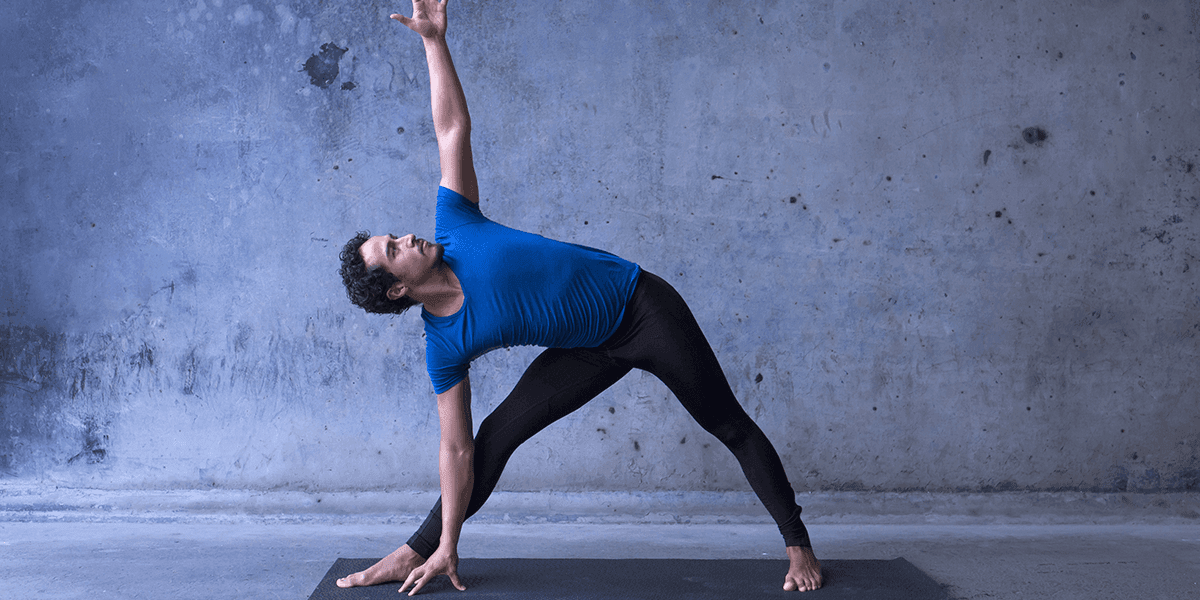
One of the most powerful habits I have developed is practicing yoga regularly. I originally stepped onto the mat hoping to become stronger and more flexible, but I quickly realized the greatest changes were happening inside my mind. The physical poses certainly made my body feel better, yet the emotional clarity, inner calm, and improved resilience became the benefits I valued most. Looking back, I can confidently say that how yoga improves mental health and emotional well-being has become one of the most meaningful discoveries in my wellness journey.
Mental Health Begins With the Mind and Body Working Together
For a long time, I treated my mind and body as though they were completely separate. If I felt stressed, I assumed I simply needed to think differently. If my body felt tense, I believed stretching alone would solve the problem. Yoga gradually showed me that both influence each other far more than I had realized.
Whenever I experience stress, my shoulders tighten, my breathing becomes shallow, and my jaw begins to clench without me noticing. Those physical reactions make it even harder to relax mentally. At the same time, anxious thoughts create more physical tension, forming a cycle that feeds itself throughout the day.
Yoga interrupts that cycle by encouraging both movement and mindfulness. As my muscles relax, my breathing slows naturally, and my thoughts become less scattered. Instead of trying to force myself to feel calm, I allow my body to guide my mind toward a more peaceful state.
Slowing Down Helps Me Think More Clearly
Modern life encourages constant movement. My phone vibrates with notifications, my calendar stays full, and my attention is pulled in several directions at once. Without realizing it, I can spend an entire day reacting to everything around me instead of paying attention to how I actually feel.
Stepping onto my yoga mat creates a welcome pause. For the next twenty or thirty minutes, I stop worrying about deadlines, messages, and unfinished tasks. My attention shifts toward my breathing, my posture, and the sensations within my body.
That quiet space allows my thoughts to settle. Problems that felt overwhelming before my practice often appear much more manageable afterward because my mind is no longer operating in a constant state of tension.
Yoga Teaches Me to Stay Present
One lesson yoga repeats over and over is the importance of staying in the present moment. During a difficult balance pose, I cannot worry about tomorrow’s responsibilities while also maintaining my stability. My full attention naturally returns to what is happening right now.
I have found that this awareness extends beyond my practice. Instead of immediately reacting to stressful situations, I pause, breathe, and respond with greater patience. That simple habit has improved not only my emotional well-being but also my relationships with the people around me.
Remaining present does not mean ignoring future responsibilities or pretending problems do not exist. It simply means giving my full attention to the current moment instead of allowing my mind to become overwhelmed by everything at once.
Breathing Changes More Than I Expected
Before practicing yoga regularly, I rarely paid attention to how I breathed. It happened automatically, so I assumed it did not deserve much thought. I now realize that my breathing often reflects exactly how I am feeling emotionally.
Whenever I become anxious or frustrated, my breathing becomes quick and shallow. During yoga, I intentionally slow each inhale and lengthen every exhale. That simple adjustment creates a noticeable shift throughout my entire body.
Deep breathing helps me feel grounded even outside my yoga sessions. During stressful conversations or challenging situations, returning to slow, controlled breathing often prevents my emotions from becoming overwhelming.
Physical Movement Releases Emotional Tension
I used to think stress existed only in my thoughts, but yoga showed me that emotions often settle into the body as well. Tight hips, stiff shoulders, sore neck muscles, and an aching back frequently accompany emotionally demanding days.
Gentle stretches help release that stored tension in ways I never expected. Some days I finish my practice feeling lighter without being able to explain exactly why. My body simply feels more relaxed, and my mood naturally improves along with it.
That experience reminds me that emotional healing is not always achieved through thinking alone. Sometimes my body needs the opportunity to release stress physically before my mind can fully relax.
Confidence Grows With Consistent Practice
Yoga has taught me that progress rarely happens overnight. Some poses become easier after weeks of practice, while others continue challenging me for months. Instead of becoming discouraged, I have learned to appreciate gradual improvement.
That mindset has carried into other parts of my life. I no longer expect instant success in every situation because yoga reminds me that consistency produces meaningful results over time. Small efforts repeated regularly often accomplish far more than occasional bursts of motivation.
Watching my abilities improve also builds confidence. Each small achievement reminds me that I am capable of learning, adapting, and growing, even when progress feels slow.
Emotional Balance Becomes Easier
Life continues bringing unexpected challenges, disappointments, and stressful moments. Yoga has not removed those experiences from my life, but it has changed how I respond to them. Instead of becoming overwhelmed immediately, I recover much more quickly than I once did.
That emotional resilience comes from practicing patience on the mat. Holding a challenging pose teaches me to remain calm despite discomfort. Breathing through difficult moments reminds me that uncomfortable feelings eventually pass.
Over time, those lessons become habits. I notice myself responding more thoughtfully during stressful situations instead of reacting impulsively.
Better Sleep Supports Better Mental Health
Mental health and sleep are closely connected, and yoga has improved both for me. Evening practices help my body transition away from the constant activity of the day and prepare for genuine rest.
Gentle stretching combined with slow breathing quiets my racing thoughts before bedtime. Instead of carrying the day’s stress into bed, I release much of it during my practice.
Waking after a restful night’s sleep naturally improves my mood, concentration, and patience. Those benefits continue building throughout the following day, making yoga a valuable part of my overall mental wellness routine.
Yoga Encourages Self-Compassion
One of the greatest lessons yoga has taught me is that perfection is unnecessary. Some days my balance feels excellent, while other days even familiar poses seem unusually difficult. Instead of criticizing myself, I have learned to accept those differences without frustration.
This attitude has changed how I speak to myself outside the yoga studio as well. I have become less critical of mistakes and more willing to acknowledge progress, even when it feels small.
Treating myself with kindness has improved my emotional well-being far more than constant self-criticism ever could. Yoga reminds me that growth happens through patience rather than harsh judgment.
Building Healthy Daily Habits
One positive habit often leads to another. After establishing a consistent yoga routine, I found myself making healthier choices in other areas of life as well. I became more aware of my sleep schedule, my eating habits, and the importance of taking regular breaks during busy days.
Those improvements support my mental health just as much as the yoga practice itself. Instead of viewing wellness as one single activity, I now see it as a collection of small daily choices that work together.
Consistency has been far more valuable than perfection. Even short sessions several times each week provide noticeable emotional benefits that accumulate over time.
Connecting With Myself Again
Busy schedules make it surprisingly easy to lose touch with my own thoughts and emotions. I can spend an entire day responding to other people’s needs without asking myself how I actually feel.
Yoga creates dedicated time for self-reflection without distractions. As I move through each pose, I naturally become more aware of my emotions, my energy levels, and the physical sensations within my body.
That awareness helps me recognize stress before it becomes overwhelming. Instead of waiting until I feel exhausted, I notice early signs that I need rest, movement, or simply a few quiet moments.
Common Mistakes That Limit the Mental Benefits
One mistake I made early on was treating yoga like another workout to complete as quickly as possible. Rushing through poses prevented me from experiencing the calming effects that come from moving slowly and breathing deeply.
Comparing myself to others was equally unhelpful. Yoga became much more enjoyable once I stopped worrying about how flexible or advanced everyone else appeared to be. My practice improved when I focused entirely on my own body and progress.
Skipping relaxation at the end of a session also reduced many of the emotional benefits. Spending several quiet minutes in stillness allows everything I practiced to settle, making the experience far more restorative.
Making Yoga Part of Everyday Life
I no longer wait until I feel overwhelmed before stepping onto my mat. Practicing regularly helps me maintain emotional balance instead of constantly trying to recover from stress after it has already accumulated.
Some days I practice for thirty minutes, while other days I spend only ten minutes stretching and breathing. Both sessions provide value because consistency matters far more than duration.
Removing unrealistic expectations has made yoga sustainable. I no longer feel pressured to perform perfectly, and that freedom has allowed the practice to become one of the most enjoyable parts of my daily routine.
Final Thoughts
Mental health deserves the same attention and care as physical health, and yoga has become one of the most effective ways I support both. The combination of mindful movement, steady breathing, and quiet reflection has helped me manage stress, improve my mood, strengthen my emotional resilience, and reconnect with myself in meaningful ways.
How yoga improves mental health and emotional well-being goes far beyond physical flexibility. It teaches patience, encourages self-compassion, builds emotional strength, and creates moments of peace in the middle of busy days. With regular practice, I have discovered that yoga is not simply an exercise routine. It is a lifelong tool that helps me care for my mind just as much as my body.