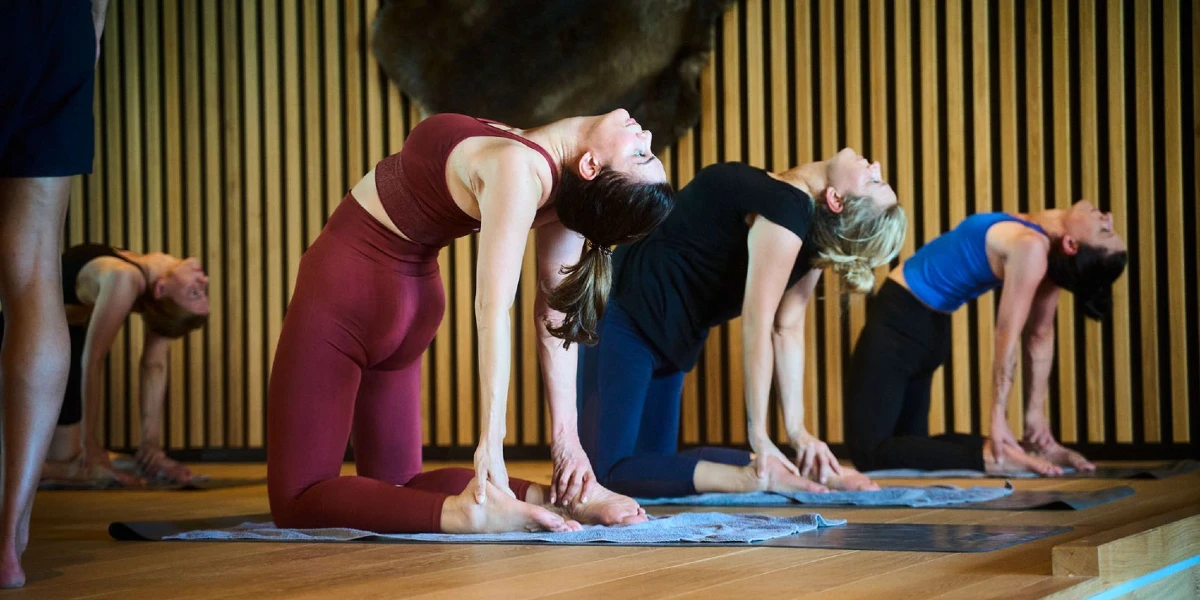
Poor posture has a way of creeping into daily life without much notice. Hours spent sitting at a desk, looking down at a phone, or driving for long periods gradually encourage rounded shoulders, a stiff neck, and an aching lower back. I did not realize how much these habits affected the way I stood and moved until simple activities started leaving me feeling tight and uncomfortable.
The Best Yoga Poses for Better Posture helped me reverse many of those everyday habits by strengthening the muscles that support my spine while improving flexibility in areas that had become overly tight. I quickly learned that better posture is not about forcing my shoulders back or standing unnaturally straight. It comes from creating balance throughout the body so that good alignment feels natural rather than forced.
Why Good Posture Matters
Posture affects much more than appearance. Standing and sitting with proper alignment helps distribute weight evenly across the body, reducing unnecessary strain on muscles, joints, and ligaments. Once I became more aware of my posture, I noticed less tension in my neck and shoulders by the end of the day.
Good posture also improves breathing. Slouching compresses the chest, making it harder for the lungs to expand fully. Standing taller creates more space for deeper breaths, which leaves me feeling more energized and focused throughout the day.
Another benefit is improved balance. A well-aligned body moves more efficiently, making everyday activities such as walking, lifting objects, and exercising feel easier and more comfortable.
How Yoga Improves Posture
Yoga strengthens the muscles that support the spine while stretching areas that commonly become tight from prolonged sitting. This combination gradually restores balance throughout the body instead of simply masking discomfort.
Breathing also plays an important role. Coordinating movement with slow, steady breaths encourages me to become more aware of how I carry myself, both on and off the mat.
Perhaps most importantly, yoga develops body awareness. The more I practiced, the easier it became to recognize poor posture during everyday activities and gently correct it before discomfort developed.
Mountain Pose
Mountain Pose appears simple, yet it teaches the foundation of proper posture. Standing with my feet firmly grounded encourages me to align my ankles, knees, hips, shoulders, and head in one balanced position.
Instead of forcing my chest outward, I gently lengthen my spine while relaxing my shoulders away from my ears. This creates a natural upright posture without unnecessary tension.
Practicing Mountain Pose regularly has helped me carry that same alignment into daily activities like standing in line or walking through the grocery store.
Cat-Cow Pose
Cat-Cow Pose has become one of my favorite ways to improve spinal mobility. Alternating between arching and rounding my back gently moves the spine through its natural range of motion.
Matching each movement with my breathing helps release stiffness that often develops after spending hours sitting. My back feels noticeably more relaxed after just a few slow repetitions.
Improved spinal mobility makes maintaining good posture feel much easier throughout the day because my back no longer feels locked into one position.
Cobra Pose
Cobra Pose strengthens the muscles along the back while opening the chest and shoulders. Since poor posture often causes the shoulders to round forward, this gentle backbend provides an effective counterbalance.
I lift only as high as feels comfortable while keeping my elbows slightly bent. Relaxing my shoulders prevents unnecessary tension and allows the stretch to remain comfortable.
Regularly practicing Cobra Pose has made sitting at my desk feel much less uncomfortable because my upper back has become stronger.
Downward-Facing Dog
Downward-Facing Dog stretches multiple muscle groups that influence posture, including the shoulders, hamstrings, calves, and spine. The pose also strengthens the arms and upper back while encouraging proper alignment.
I focus on lengthening my spine rather than forcing my heels toward the floor. Slightly bending my knees helps maintain better posture throughout the movement.
Holding the pose for several steady breaths leaves my entire back feeling longer and more relaxed.
Bridge Pose
Bridge Pose strengthens the glutes, lower back, and core while gently opening the front of the body. These muscle groups play an important role in supporting healthy posture during everyday movement.
Pressing evenly through both feet helps me lift my hips without placing excessive pressure on my lower back. I concentrate on controlled movement rather than lifting as high as possible.
This pose also helps reverse the effects of prolonged sitting by stretching the hip flexors and chest.
Child’s Pose
Child’s Pose offers a gentle opportunity to lengthen the spine while relaxing the shoulders and lower back. Whenever I feel tension building after a long day, this pose provides immediate relief.
Extending my arms forward creates a pleasant stretch through my upper back while encouraging my shoulders to relax naturally. Slow breathing deepens the feeling of release without requiring any force.
Although it is often considered a resting pose, Child’s Pose remains one of the most valuable stretches for improving posture and reducing daily tension.
Plank Pose
Good posture depends heavily on core strength, and Plank Pose has become one of my favorite ways to develop it. Holding my body in a straight line challenges the muscles that stabilize my spine during everyday activities.
Rather than allowing my hips to sag or lift too high, I focus on maintaining one long line from my head to my heels. Controlled breathing helps me remain steady throughout the pose.
Even short holds have noticeably improved my stability, making it easier to stand and sit with better alignment.
Locust Pose
Locust Pose targets the muscles along the back that often become weak after years of sitting. Lifting my chest and legs gently strengthens the entire posterior chain while encouraging better spinal support.
I avoid raising my body excessively high because proper muscle engagement matters more than height. Slow, controlled movement keeps the pose effective and comfortable.
After adding Locust Pose to my routine, I noticed that standing upright required much less effort than before.
Warrior I
Warrior I strengthens the legs while encouraging an upright torso and open chest. Holding the position challenges my balance while reinforcing proper alignment throughout my body.
Keeping my shoulders relaxed helps prevent unnecessary tension in my neck. At the same time, reaching upward lengthens my spine and promotes a taller posture.
This pose reminds me that good posture begins with a stable foundation from the feet upward.
Triangle Pose
Triangle Pose combines flexibility with postural awareness by stretching the sides of the body while strengthening the legs and core. The position encourages my chest to remain open instead of collapsing forward.
I place my lower hand wherever it comfortably reaches without sacrificing alignment. Maintaining a long spine always feels more important than reaching the floor.
Regular practice has improved both my balance and my ability to maintain proper posture during daily activities.
Seated Forward Bend
Although forward bends may seem unrelated to posture, they help stretch tight hamstrings and lower back muscles that can affect pelvic alignment. Improved flexibility in these areas supports healthier movement patterns throughout the body.
I begin by sitting tall before folding gently from my hips. Keeping a slight bend in my knees whenever necessary allows the stretch to remain comfortable.
Patience is essential with this pose because forcing the movement often creates unnecessary tension rather than improving flexibility.
Tips for Improving Posture Beyond Yoga
Practicing yoga has certainly improved my posture, but I have learned that daily habits matter just as much. Standing up regularly after long periods of sitting helps prevent stiffness from returning.
I also pay attention to the height of my computer screen and chair. Small adjustments to my workspace reduce the tendency to lean forward or round my shoulders during the day.
Strengthening my awareness has become one of the biggest changes. Whenever I notice myself slouching, I gently lengthen my spine instead of forcing an exaggerated upright position.
Staying Consistent With Your Practice
Improving posture is a gradual process rather than an overnight transformation. Practicing these poses several times each week has produced much better results than occasional long sessions.
Some days I complete a full yoga routine, while other days I spend just fifteen minutes focusing on a few key poses. Both approaches help reinforce healthy movement patterns that carry into everyday life.
Most importantly, I remain patient with myself. Small improvements in posture accumulate over time, eventually making standing and sitting comfortably feel completely natural.
Final Thoughts
Good posture develops through consistent movement, balanced strength, and improved flexibility rather than simply reminding yourself to stand up straight. Yoga addresses all of these areas by strengthening the muscles that support the spine while releasing tightness that often pulls the body out of alignment. The result is posture that feels comfortable, sustainable, and natural.
The Best Yoga Poses for Better Posture have transformed the way I move throughout the day. By regularly practicing poses such as Mountain Pose, Cobra Pose, Bridge Pose, Plank Pose, and Triangle Pose, I have reduced stiffness, strengthened my back and core, and become far more aware of how I carry myself. Better posture is not about achieving perfection. It is about creating healthy habits that allow the body to move with greater comfort, confidence, and ease every day.