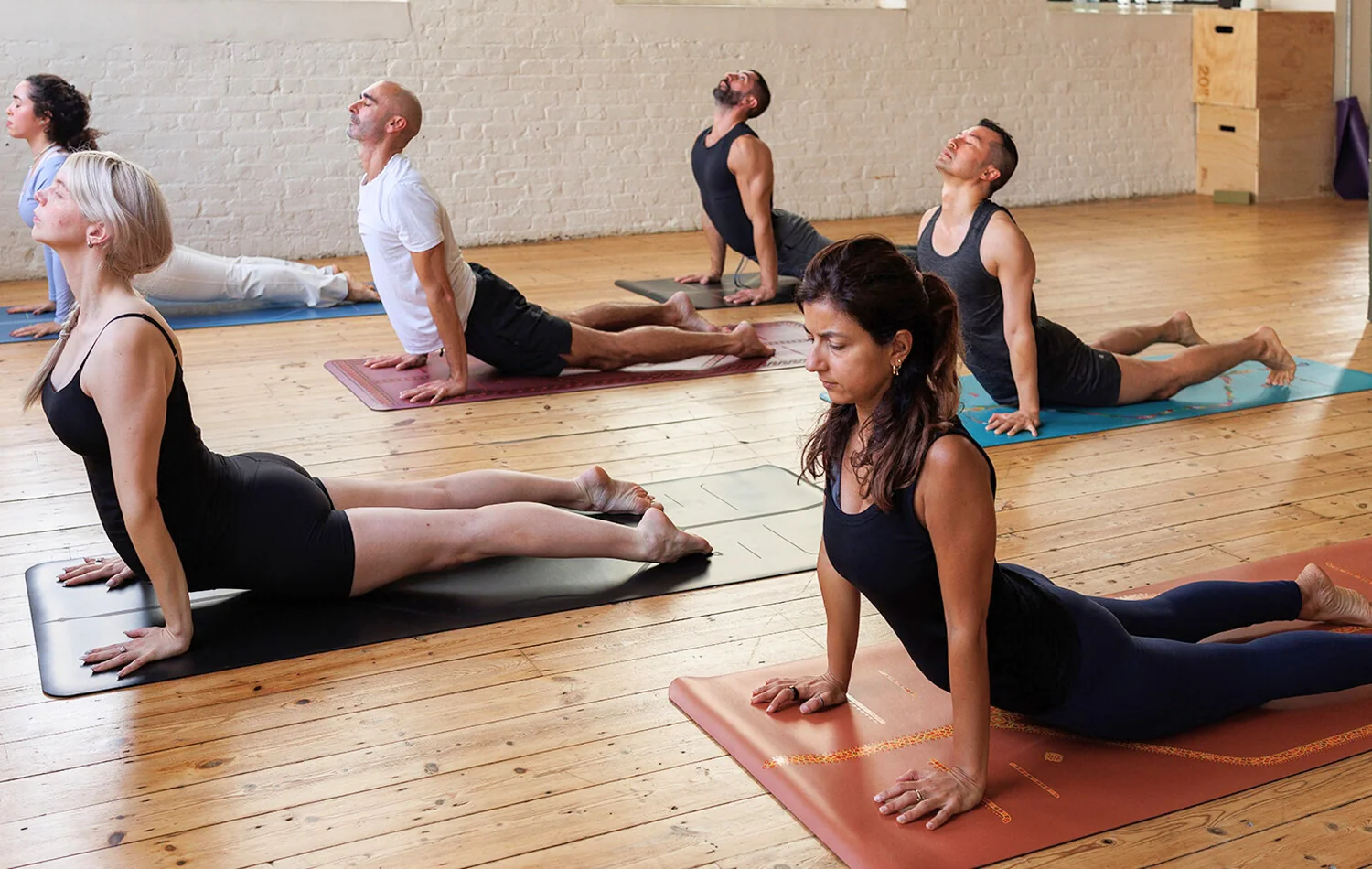
Starting yoga should feel exciting, yet it is surprisingly easy to become discouraged before even stepping onto the mat. I remember reading countless opinions about who yoga is for, what kind of body it requires, and how long it supposedly takes to see results. The more myths I encountered, the more intimidating yoga seemed, even though I had not practiced a single pose.
Beginner Yoga Myths You Should Stop Believing is a topic that deserves attention because misinformation keeps many people from experiencing the physical and mental benefits of yoga. Once I separated fact from fiction, I realized that yoga is far more welcoming and adaptable than I had imagined. It is not reserved for the exceptionally flexible or the incredibly fit. It is a practice that meets me exactly where I am and grows with me over time.
Myth One: You Have to Be Flexible Before Starting Yoga
This is probably the most common misconception I have ever heard. For years, I believed flexibility was a requirement rather than a result of practicing yoga. Seeing people effortlessly touching their toes or performing advanced poses made me think I needed to improve my flexibility before I even began.
The reality turned out to be completely different. Yoga helped me become more flexible because I practiced consistently, not because I was naturally flexible from the start. Every session gradually improved my range of motion without forcing my body into uncomfortable positions.
Waiting until I became flexible would have meant never starting at all. Yoga exists to help improve flexibility, so expecting to have it beforehand misses the entire point of the practice.
Myth Two: Yoga Is Only for Women
One myth that continues to circulate is that yoga is primarily designed for women. That assumption prevented many people I know from considering yoga as a legitimate form of exercise, even though its benefits apply equally to everyone.
Yoga has been practiced by people of all backgrounds, ages, and genders for centuries. Strength, balance, mobility, and stress relief are valuable regardless of who is standing on the mat.
I have also noticed more athletes incorporating yoga into their training because it improves recovery, flexibility, and body awareness. The practice has never belonged to one specific group of people.
Myth Three: Yoga Is Too Easy to Be Real Exercise
Some people assume yoga is simply stretching with relaxing music in the background. I believed something similar until I held my first Plank Pose and quickly realized how much strength yoga demands.
Many yoga poses require muscles to stabilize the body while maintaining proper alignment. Even beginner routines strengthen the legs, core, back, and shoulders without relying on heavy equipment.
At the same time, yoga improves flexibility and balance while encouraging mindful breathing. That combination creates a full-body workout that feels completely different from traditional gym sessions.
Myth Four: You Need Expensive Equipment
Before starting yoga, I thought I needed premium mats, designer clothing, yoga blocks, straps, bolsters, and countless accessories. Looking at advertisements made it seem as though a simple practice required a significant financial investment.
In reality, I started with a comfortable exercise mat and loose clothing that allowed me to move freely. That was enough to begin building a consistent routine at home.
As my practice developed, I gradually added a few inexpensive props because they improved comfort, not because they were essential. Expensive equipment has never been a requirement for meaningful progress.
Myth Five: You Must Practice Every Day
Daily yoga certainly offers benefits, but believing it is the only path to success creates unnecessary pressure. During my first few weeks, I worried that missing a day would erase all my progress.
I eventually learned that consistency matters much more than perfection. Practicing two to four times each week allowed my body to recover while still producing noticeable improvements in flexibility and strength.
Some days I complete a full session, while other days I spend only ten minutes stretching and breathing. Both types of practice contribute to long-term progress.
Myth Six: Yoga Is All About Difficult Poses
Social media often highlights advanced arm balances and dramatic backbends because they capture attention. Those images once convinced me that yoga revolved around mastering increasingly difficult positions.
The truth is that many of the most beneficial yoga poses are also the simplest. Child’s Pose, Mountain Pose, Cat-Cow Pose, and Butterfly Pose continue to be regular parts of my routine because they provide lasting benefits regardless of experience level.
Advanced poses are optional rather than mandatory. A successful yoga practice depends far more on consistency than complexity.
Myth Seven: You Have to Clear Your Mind Completely
Meditation and mindfulness sometimes create the impression that yoga requires a perfectly quiet mind. During my early practices, I became frustrated whenever thoughts about work or daily responsibilities appeared.
Over time, I realized the goal is not eliminating every thought. Instead, yoga encourages gently bringing my attention back to my breathing whenever my mind wanders.
Accepting that distractions naturally happen made the practice much more enjoyable. Rather than fighting my thoughts, I simply learned not to follow them.
Myth Eight: Yoga Is Only About Physical Fitness
While yoga certainly improves flexibility and strength, its benefits extend far beyond physical movement. One of the greatest surprises for me was noticing how much calmer I felt after each session.
Breathing exercises encouraged me to slow down, while mindful movement reduced stress that had accumulated throughout the day. Those mental benefits became just as valuable as the physical improvements.
Practicing regularly also improved my focus and patience. The lessons I learned on the mat gradually influenced the way I handled everyday challenges.
Myth Nine: Older Adults Cannot Start Yoga
Age often becomes an excuse for avoiding new physical activities, but yoga can be adapted for almost any stage of life. I have seen beginners start well into adulthood and still experience remarkable improvements in mobility and confidence.
Many poses can be modified using chairs, blocks, or folded blankets to provide additional support. These adjustments make yoga accessible without reducing its effectiveness.
The most important factor is beginning with movements that match current abilities rather than trying to imitate advanced practitioners.
Myth Ten: Progress Should Happen Quickly
Modern culture often encourages immediate results, so I initially expected noticeable flexibility within only a few sessions. When progress seemed slower than anticipated, I questioned whether I was doing something wrong.
Yoga reminded me that meaningful change develops gradually. Small improvements accumulated week after week until I realized everyday movements felt smoother and more comfortable.
Learning patience became one of the greatest gifts yoga offered. The journey itself proved far more valuable than rushing toward a particular goal.
How Letting Go of These Myths Changed My Practice
Once I stopped believing unrealistic expectations, yoga became something I genuinely enjoyed instead of something I constantly evaluated. I no longer worried about performing perfect poses or progressing faster than everyone else.
Instead, I focused on listening to my body and celebrating small victories. Standing a little taller, breathing more deeply, and moving with greater comfort became meaningful signs of progress.
This mindset also made consistency easier. Without unrealistic pressure, stepping onto the mat felt like an opportunity rather than an obligation.
Tips for Beginners Starting Their Journey
Beginning with simple poses creates a much stronger foundation than immediately attempting advanced sequences. Learning proper breathing and body alignment first makes future progress smoother and safer.
Practicing regularly matters more than practicing for long periods. Even twenty minutes several times each week can produce noticeable improvements when combined with patience and mindful movement.
Most importantly, remember that yoga is a personal journey. Comparing your progress with someone else’s only distracts from the unique improvements happening within your own practice.
Final Thoughts
Many of the biggest obstacles to starting yoga exist only because of common misconceptions. Believing that flexibility, expensive equipment, daily practice, or advanced skills are required prevents countless beginners from experiencing everything yoga has to offer. Once those myths are replaced with realistic expectations, the practice becomes far more approachable and enjoyable.
Beginner Yoga Myths You Should Stop Believing serves as a reminder that yoga welcomes people of every age, fitness level, and experience. Progress comes through patience, consistency, and self-compassion rather than perfection. By letting go of these misconceptions, I discovered a practice that continues to improve my strength, flexibility, balance, and peace of mind, one session at a time.