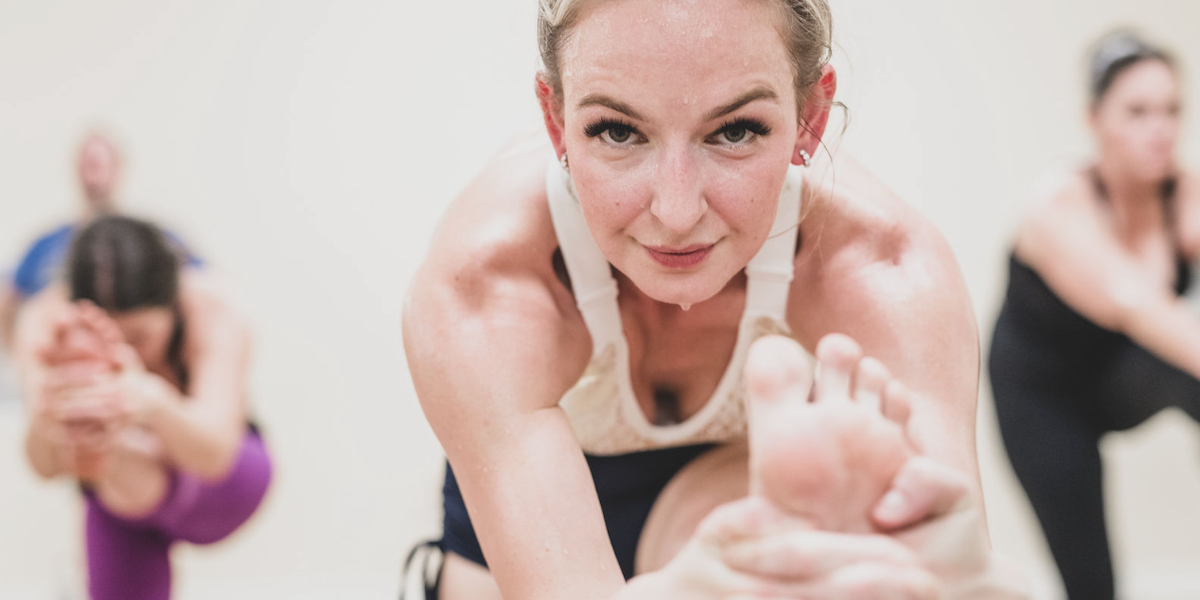
Starting yoga can feel exciting one moment and overwhelming the next. Looking at experienced practitioners flowing effortlessly from one pose to another once made me wonder if I had waited too long to begin. After stepping onto the mat for the first time, I quickly realized that yoga is not about performing advanced poses. It is about learning to move with intention, breathe with awareness, and gradually build confidence through consistent practice.
The Best Yoga Sequence for Complete Beginners is designed to remove the uncertainty that often comes with starting something new. A simple sequence allows me to focus on learning proper movement instead of worrying about complicated transitions or difficult poses. By practicing the same routine regularly, I noticed improvements in flexibility, balance, posture, and overall comfort far sooner than I expected.
Why Beginners Should Follow a Simple Sequence
Trying to learn dozens of yoga poses at once only left me feeling confused. I spent more time wondering what to do next than actually enjoying the practice. Following one beginner-friendly sequence changed everything because it gave me a clear structure to build upon.
Repeating the same poses also helped improve my technique. Instead of rushing through unfamiliar movements, I became more aware of my posture, breathing, and body alignment with each practice.
Another advantage was consistency. Knowing exactly what my routine would look like removed unnecessary decision-making, making it much easier to roll out my mat and begin.
Prepare Your Space Before You Begin
A peaceful practice starts with a comfortable environment. I do not need a dedicated yoga studio or expensive equipment to enjoy the benefits of yoga. A small area with enough room to stretch comfortably is more than enough.
I keep my yoga mat in the same location so setting up takes only a minute. Eliminating small obstacles helps me stay consistent because I have fewer excuses to postpone my practice.
Wearing comfortable clothing also makes a difference. Loose or flexible athletic wear allows me to move freely without feeling restricted during stretches or balance poses.
Begin With Calm Breathing
Before moving into the first pose, I spend a minute focusing on slow, steady breathing. Standing comfortably with my feet hip-width apart allows me to settle into the present moment before thinking about movement.
Each inhale feels like an opportunity to create space throughout my body, while every exhale encourages unnecessary tension to disappear. This simple breathing exercise immediately helps me feel more relaxed.
Starting with mindful breathing also improves concentration. Instead of carrying the stress of my day onto the mat, I give myself permission to focus entirely on the next few minutes.
Mountain Pose
Mountain Pose serves as the starting point for almost every beginner sequence I practice. Standing tall with my feet firmly planted reminds me that even the simplest positions deserve my full attention.
I gently lengthen my spine while relaxing my shoulders away from my ears. Instead of locking my knees, I keep them slightly soft, allowing my posture to feel stable yet comfortable.
Remaining in this position for several slow breaths creates a strong foundation before transitioning into more active movements.
Cat-Cow Pose
After standing, I move onto my hands and knees for Cat-Cow Pose. This gentle flow helps loosen my spine while warming up muscles that may have become stiff during sleep or long hours of sitting.
As I inhale, I lift my chest and gently arch my back. During each exhale, I round my spine while drawing my chin slightly toward my chest. Coordinating movement with breathing makes the sequence feel smooth and natural.
Completing several slow repetitions prepares my back for the rest of the practice while improving overall spinal mobility.
Child’s Pose
Child’s Pose offers one of the most relaxing stretches in yoga. Sitting back toward my heels while extending my arms forward creates a gentle stretch across my lower back, shoulders, and hips.
I never worry about forcing my hips completely toward my heels. Allowing gravity to work naturally helps my muscles relax far more effectively than pushing deeper into the pose.
Remaining here for several breaths gives my body a chance to recover before continuing with the sequence.
Downward-Facing Dog
From Child’s Pose, I transition into Downward-Facing Dog. This pose stretches my hamstrings, calves, shoulders, and spine while gently strengthening my arms and core.
I keep a slight bend in my knees whenever my hamstrings feel tight. Maintaining a long spine matters much more than pressing my heels flat against the floor.
Holding the position for several steady breaths energizes my body while improving flexibility throughout my entire back.
Low Lunge
Stepping one foot forward into a Low Lunge immediately stretches my hip flexors, an area that often becomes tight after sitting for long periods.
Keeping my chest lifted helps maintain proper posture while allowing the stretch to remain comfortable. I breathe slowly before repeating the pose on the opposite side.
This movement improves both flexibility and stability, making everyday activities such as walking and climbing stairs feel easier.
Cobra Pose
Lowering gently onto my stomach allows me to move into Cobra Pose. Lifting my chest while keeping my elbows close to my body strengthens my back and opens my shoulders.
I avoid pushing too high because the purpose is gentle extension rather than creating an extreme backbend. Relaxing my shoulders away from my ears also prevents unnecessary tension.
After holding the pose for a few breaths, my upper body feels noticeably more open and refreshed.
Standing Forward Fold
Returning to a standing position, I slowly fold forward from my hips. My knees remain slightly bent if my hamstrings feel tight, allowing the stretch to remain comfortable throughout.
Rather than pulling myself deeper, I simply let gravity guide my upper body downward. Relaxing my neck also helps release tension that often builds during stressful days.
Each breath encourages my muscles to soften naturally, making the pose feel more comfortable with time.
Tree Pose
Tree Pose introduces balance without becoming overly complicated. Standing on one leg while placing the opposite foot against my ankle or calf teaches patience and concentration.
Looking at one fixed point helps me maintain stability. If I wobble, I simply smile and try again because balance naturally improves with practice.
Repeating the pose on both sides strengthens my legs while improving coordination and confidence.
Butterfly Pose
Sitting comfortably with the soles of my feet together creates a gentle stretch for my hips and inner thighs. Butterfly Pose feels especially satisfying after standing movements because it encourages my lower body to relax.
Keeping my spine tall allows the stretch to remain effective without creating unnecessary pressure on my lower back. I avoid pushing my knees toward the floor because patience always produces better results.
Several slow breaths help my hips gradually release tension while maintaining complete comfort.
Supine Spinal Twist
Lying on my back, I gently guide one knee across my body while keeping my shoulders relaxed. This twist stretches my lower back and hips while creating a soothing finish to the active portion of my practice.
I breathe slowly and avoid forcing the movement beyond what feels comfortable. Switching sides ensures both sides of my body receive equal attention.
This pose always leaves my spine feeling refreshed and relaxed before moving into the final resting position.
Corpse Pose
Although Corpse Pose involves very little movement, it often becomes the most rewarding part of my practice. Lying comfortably on my back allows my body to absorb the benefits of every pose that came before it.
I close my eyes and focus only on my breathing for several minutes. Instead of planning the rest of my day, I simply enjoy the quiet stillness.
By the time I slowly sit up again, I feel calmer, lighter, and noticeably more refreshed than when I started.
Tips for Practicing This Sequence Successfully
Moving slowly has helped me far more than rushing from one pose to another. Taking time to notice my breathing and alignment makes each movement feel purposeful instead of mechanical.
I also remind myself that flexibility develops gradually. Some days my body feels open and relaxed, while other days I experience more stiffness. Accepting those natural differences keeps my practice enjoyable.
Most importantly, I avoid comparing myself with anyone else. Yoga is deeply personal, and my only goal is to become slightly stronger, more flexible, and more mindful than I was yesterday.
Building Confidence With Regular Practice
Repeating this beginner sequence several times each week has transformed the way I view yoga. Familiarity with the poses allows me to focus less on remembering the routine and more on improving my breathing, posture, and body awareness.
Small improvements become surprisingly motivating. Standing a little taller, moving with less stiffness, and feeling more balanced throughout daily activities remind me that consistent effort always pays off.
As my confidence grows, I naturally begin exploring additional poses without feeling overwhelmed. Starting with a simple sequence created a strong foundation that continues to support every new step in my yoga journey.
Final Thoughts
Beginning yoga does not require advanced flexibility, expensive equipment, or years of experience. A simple sequence built around foundational poses provides everything needed to improve strength, mobility, balance, and relaxation. Practicing these movements regularly has helped me build confidence while creating a routine that feels both enjoyable and sustainable.
The Best Yoga Sequence for Complete Beginners proves that meaningful progress starts with simple, consistent action. By focusing on steady breathing, proper alignment, and patience instead of perfection, I have developed a practice that continues to benefit both my body and my mind. The hardest part was never mastering the poses. It was simply taking the first step onto the mat and trusting that every practice would bring me a little closer to my goals.