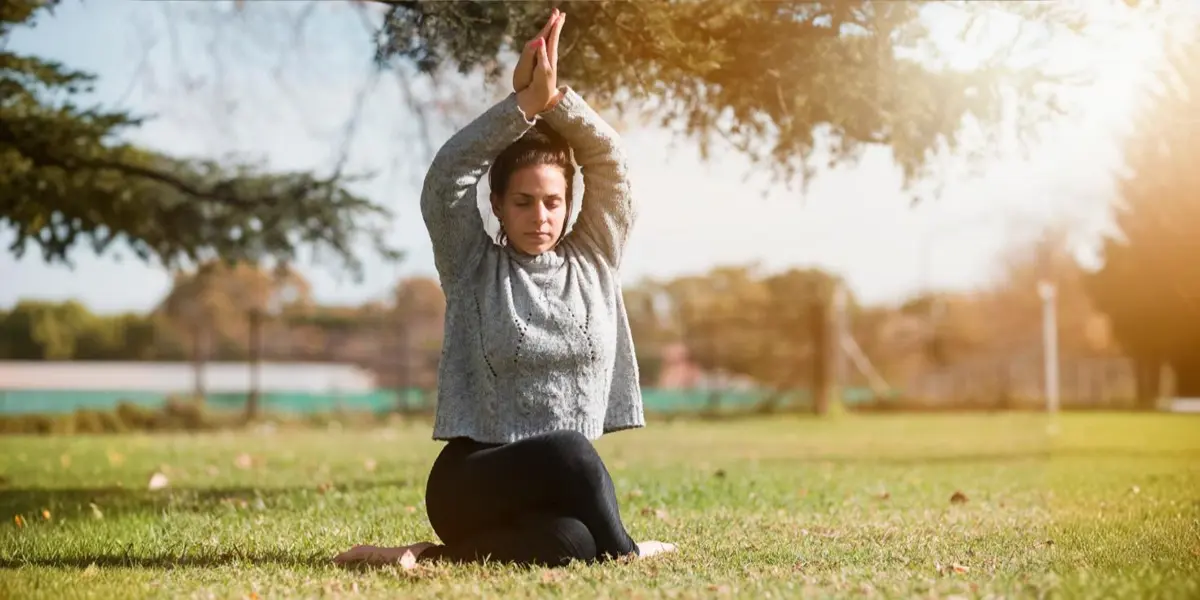
Running places incredible demands on the body. Strong legs and cardiovascular endurance often receive most of the attention, but flexibility, mobility, balance, and recovery are just as important for maintaining consistent performance. I have found that adding yoga to my running routine has helped loosen tight muscles, improve posture, and reduce the stiffness that can build up after long miles.
Yoga complements running because it addresses areas that runners commonly neglect. Tight hips, shortened hamstrings, stiff calves, and limited ankle mobility can all affect running form over time. A balanced yoga routine targets these areas while strengthening the muscles that support efficient movement. In this guide, I will share the best yoga routine for runners, explain why each pose deserves a place in the sequence, and offer practical tips for making yoga a regular part of training.
Why Runners Should Practice Yoga
Running is a repetitive movement. Thousands of steps place continuous stress on the same muscles, tendons, and joints, which can gradually create imbalances if they are not addressed. Yoga introduces movement in different directions, helping restore flexibility while improving overall mobility.
I have noticed that yoga also strengthens stabilizing muscles that running alone does not always challenge. Strong hips, core muscles, and ankles contribute to better balance, improved running mechanics, and greater efficiency during both short runs and long-distance training.
Recovery is another major benefit. Gentle stretching and controlled breathing help reduce muscle tension after difficult workouts while encouraging relaxation. Finishing a yoga session often leaves my legs feeling lighter and more prepared for the next run.
Begin With Gentle Breathing
Before moving into the physical poses, I spend a minute or two focusing on my breathing. This simple habit helps shift my attention away from daily distractions and prepares both my body and mind for movement.
Standing comfortably in Mountain Pose, I inhale deeply through my nose and exhale slowly while relaxing my shoulders. Each breath encourages my muscles to release unnecessary tension before the stretching begins.
Starting with mindful breathing also helps me avoid rushing through the routine. Yoga becomes much more effective when I move with intention instead of speed.
Mountain Pose
Mountain Pose creates a strong foundation for the entire sequence by encouraging proper posture and body awareness. Although it appears simple, it reminds me to stand with balanced alignment before progressing into deeper stretches.
I place my feet about hip-width apart and distribute my weight evenly across both feet. My shoulders stay relaxed while I gently engage my core and lengthen through the crown of my head.
Holding this position for several breaths improves posture and prepares the body for movement.
Cat-Cow Pose
Cat-Cow gently mobilizes the spine while warming up the back, shoulders, and hips. It is an excellent transition from standing into floor-based exercises.
Beginning on my hands and knees, I inhale as I lift my chest and arch my back slightly. During the exhale, I round my spine while drawing my chin gently toward my chest.
Repeating this movement several times improves spinal mobility and prepares the body for more demanding stretches.
Downward Facing Dog
Downward Facing Dog stretches several muscle groups that runners commonly tighten, including the calves, hamstrings, Achilles tendons, shoulders, and back.
From my hands and knees, I lift my hips toward the ceiling while creating an inverted V shape. I keep a slight bend in my knees if my hamstrings feel tight, focusing instead on lengthening my spine.
Pedaling my feet gently helps stretch each calf individually while encouraging better ankle mobility.
Low Lunge
The hip flexors often become tight from repetitive running, making Low Lunge one of the most valuable poses in my routine. Opening the front of the hips helps improve stride mechanics and reduces stiffness.
I step one foot forward between my hands before lowering my back knee to the mat. Keeping my chest lifted, I shift my hips forward until I feel a gentle stretch.
After holding for several breaths, I repeat the pose on the opposite side to maintain balanced flexibility.
Half Split Pose
Half Split targets the hamstrings, which frequently tighten after long runs or speed workouts. Stretching them gently helps improve mobility without placing unnecessary stress on the muscles.
From Low Lunge, I shift my hips backward while straightening my front leg slightly. My spine stays long as I hinge forward from my hips rather than rounding my back.
Moving slowly allows the stretch to deepen naturally while reducing the risk of overstretching.
Pigeon Pose
Pigeon Pose provides one of the deepest hip stretches in yoga, making it especially valuable for runners. It targets the glutes, piriformis, and outer hips, all of which can become tight after repetitive mileage.
I bring one knee forward while extending the opposite leg behind me. Supporting my hips with a folded blanket whenever necessary allows me to remain comfortable without compromising alignment.
Remaining in the pose for several slow breaths encourages the muscles to relax gradually rather than forcing additional flexibility.
Triangle Pose
Triangle Pose stretches the hamstrings, hips, calves, and sides of the torso while improving balance and posture. It also strengthens the legs in a controlled way.
Standing with my feet wide apart, I extend one arm forward before lowering my hand toward my shin or a yoga block. My opposite arm reaches toward the ceiling as I rotate my chest open.
Rather than reaching as low as possible, I focus on maintaining length throughout both sides of my body.
Warrior II
Warrior II strengthens the legs while improving stability and endurance. It also opens the hips and encourages better alignment throughout the lower body.
I step into a wide stance before bending my front knee and extending both arms parallel to the floor. My shoulders remain relaxed while my gaze stays focused over my front hand.
Holding the pose develops muscular endurance that supports efficient running form.
Chair Pose
Chair Pose strengthens the quadriceps, glutes, and core while encouraging proper posture. Stronger supporting muscles help maintain stability during both uphill and downhill running.
I bend my knees as though sitting into an invisible chair while lifting my arms overhead. My chest remains upright as I engage my abdominal muscles gently.
Holding the posture for several breaths creates an effective strength challenge without requiring additional equipment.
Bridge Pose
Bridge Pose strengthens the glutes and hamstrings while opening the front of the hips. Since strong glutes contribute significantly to running efficiency, I never skip this exercise.
Lying on my back with my knees bent, I press through my feet and lift my hips toward the ceiling. My shoulders remain grounded while my knees stay aligned over my ankles.
Lowering slowly engages the muscles throughout the movement, making each repetition more beneficial.
Reclining Hand-to-Big-Toe Pose
This gentle stretch targets the hamstrings and calves while allowing the lower back to remain supported. Using a yoga strap makes the pose accessible regardless of flexibility.
Lying on my back, I extend one leg upward while holding my foot or the strap. My opposite leg stays comfortably extended on the floor.
Rather than pulling the leg aggressively, I allow the stretch to deepen naturally through slow breathing.
Supine Spinal Twist
Running places repeated stress on the hips and lower back, making a gentle spinal twist an ideal way to finish the active portion of the routine.
Lying on my back, I bring one knee across my body while extending the opposite arm outward. Both shoulders remain grounded as I breathe deeply into the stretch.
Repeating the movement on both sides restores balance throughout the spine while reducing muscular tension.
Legs Up the Wall
Ending the session with Legs Up the Wall feels incredibly restorative after a challenging run. Elevating the legs encourages relaxation while reducing fatigue in the lower body.
Sitting beside a wall, I carefully swing my legs upward as I lower my back onto the floor. My arms rest comfortably by my sides while my breathing becomes slower and more relaxed.
Remaining in this position for five to ten minutes provides a calming conclusion to the routine.
Tips for Combining Yoga With Running
I have found that shorter yoga sessions performed consistently produce the best results. Spending twenty to thirty minutes stretching after easy runs or on recovery days keeps my body moving without interfering with training.
On harder workout days, I focus on gentle recovery rather than deep stretching. More demanding flexibility sessions work better on days when my muscles are not already fatigued from intense running.
Listening to my body has become one of the most valuable habits. Some days require a longer session, while others call for only a few restorative poses. Adapting the routine to my recovery needs helps maintain consistency without creating additional stress.
Common Mistakes to Avoid
One mistake I often see is stretching aggressively immediately after a hard run. Muscles respond much better to gentle, controlled movement than to forcing maximum flexibility while they are fatigued.
Another common mistake is ignoring the upper body. Although running emphasizes the legs, the shoulders, chest, and back also influence posture and breathing efficiency. Including full-body stretches creates a more balanced practice.
Skipping recovery altogether can eventually affect running performance. Rest, sleep, hydration, and mobility work all contribute to long-term progress just as much as the miles themselves.
Final Thoughts
Running and yoga complement each other remarkably well. One develops endurance and cardiovascular fitness, while the other improves flexibility, mobility, balance, and recovery. Together, they create a more balanced approach to fitness that supports both performance and long-term health.
The best yoga routine for runners combines gentle stretching with strength-building poses that target the muscles most affected by repetitive running. Practiced consistently, this routine can improve flexibility, reduce stiffness, encourage better posture, and help keep the body feeling strong and ready for the next run.