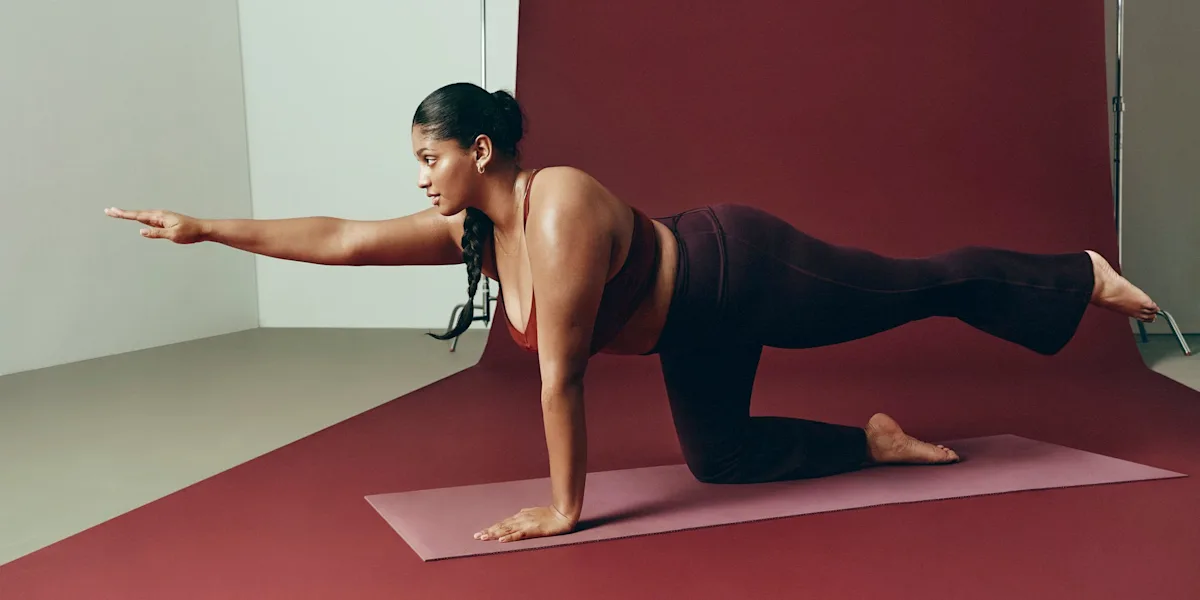
Tight hips can affect much more than flexibility. They often influence posture, lower back comfort, walking mechanics, and even the way I move through simple daily activities. After spending hours sitting at a desk or completing a demanding workout, I can usually feel the tension building around my hips. That is why I have made hip-opening yoga a regular part of my routine.
Yoga has taught me that improving hip mobility is not about forcing my body into deep stretches. It is about moving patiently, breathing steadily, and allowing the muscles around the hips to gradually relax. Over time, I have experienced greater freedom of movement, less stiffness, and better overall comfort. In this guide, I will share the best yoga poses to open tight hips, explain how each one helps, and provide practical advice for practicing safely.
Why Tight Hips Develop
The hips are among the busiest joints in the body, supporting nearly every step, squat, bend, and twist. Long periods of sitting can shorten the hip flexors, while repetitive activities such as running or cycling may leave the surrounding muscles feeling tight. Even emotional stress sometimes causes people to hold unnecessary tension around the hips without realizing it.
I have found that hip tightness often affects neighboring areas as well. When the hips lose mobility, the lower back and knees frequently work harder to compensate, which can lead to discomfort over time. Improving flexibility in the hips creates better movement throughout the entire lower body.
Yoga addresses these issues by combining stretching with gentle strengthening. Instead of simply increasing flexibility, the practice helps improve stability and control, allowing the hips to move more naturally during everyday activities.
Prepare Your Body Before Stretching
Before moving into deeper hip stretches, I spend a few minutes warming up with gentle movement. Cold muscles are less responsive, and a proper warm-up helps reduce the risk of discomfort during the practice.
I usually begin with slow walking in place, light hip circles, or a few rounds of Cat-Cow Pose. These movements increase circulation while preparing the joints for greater range of motion.
Steady breathing also plays an important role during the warm-up. Each slow exhale helps release muscular tension, making the stretches feel more comfortable once I begin the main sequence.
Butterfly Pose
Butterfly Pose is one of the simplest yet most effective stretches for improving flexibility in the hips and inner thighs. It allows gravity to assist the movement rather than forcing the muscles to lengthen.
Sitting comfortably on the mat, I bring the soles of my feet together and allow my knees to fall outward naturally. Holding my feet lightly, I sit tall through my spine instead of rounding my back.
Rather than pressing my knees toward the floor, I simply remain still and breathe deeply. With time, the hips gradually relax without unnecessary effort.
Low Lunge
Low Lunge targets the hip flexors, which often become tight after prolonged sitting. Releasing tension in the front of the hips helps improve posture while making walking and running feel more comfortable.
From a kneeling position, I step one foot forward and gently lower my hips toward the floor while keeping my chest lifted. My back knee rests comfortably on the mat, and I avoid pushing deeper than feels comfortable.
Holding the pose for several breaths allows the muscles to release naturally. I repeat the stretch on both sides to maintain balanced flexibility.
Lizard Pose
Lizard Pose provides a deeper stretch through the hips, groin, and hamstrings. Although it can feel intense, modifying the position makes it accessible for many different flexibility levels.
Starting from a lunge, I place both hands inside my front foot and slowly lower my hips while keeping my spine long. If needed, I lower my forearms onto yoga blocks instead of reaching all the way to the floor.
Slow breathing makes a noticeable difference in this pose. I focus on relaxing rather than trying to reach maximum depth.
Pigeon Pose
Pigeon Pose has become one of my favorite hip-opening stretches because it targets the glutes and outer hips so effectively. These muscles often become tight after sitting or participating in repetitive sports.
I bring one knee forward while extending the opposite leg behind me. Supporting my hips with a folded blanket or yoga block helps maintain proper alignment while reducing unnecessary strain.
Remaining in the pose for several breaths encourages the muscles to soften gradually. I never force the stretch, allowing flexibility to improve naturally over time.
Fire Log Pose
Fire Log Pose creates a deep stretch throughout the outer hips while encouraging better mobility in the hip joints. It requires patience, especially for beginners.
Sitting on the floor, I stack one shin over the other as comfortably as possible. If my knees remain elevated, I support them with yoga blocks or folded blankets rather than pushing downward.
Maintaining an upright posture allows the stretch to target the hips more effectively while protecting the lower back.
Garland Pose
Garland Pose encourages natural hip mobility while strengthening the ankles and improving balance. It also stretches the groin and lower back in a functional position that supports everyday movement.
Standing with my feet slightly wider than hip-width apart, I lower into a comfortable squat while bringing my hands together in front of my chest. If my heels lift from the floor, I place a folded blanket beneath them for support.
Rather than forcing myself lower, I focus on maintaining a long spine and relaxed breathing.
Happy Baby Pose
Happy Baby Pose gently opens the hips while providing a soothing stretch for the lower back. It has become one of my favorite ways to end a hip-focused yoga session.
Lying on my back, I bend both knees toward my chest before holding the outside edges of my feet or ankles. My knees move comfortably toward the floor beside my torso without creating strain.
Gentle rocking from side to side adds a relaxing massage for the lower back while helping the hips loosen even further.
Frog Pose
Frog Pose stretches the inner thighs and groin while encouraging greater hip mobility. It is a more advanced stretch, so I always enter and exit the position slowly.
Beginning on my hands and knees, I gradually widen my knees while keeping my ankles aligned with them. Supporting my upper body on my forearms reduces unnecessary pressure and allows me to relax into the stretch.
Remaining patient is essential with this pose. Even a modest range of motion provides excellent benefits when practiced consistently.
Seated Wide-Angle Forward Fold
This seated stretch opens the inner thighs while improving flexibility through the hips and hamstrings. It also encourages good posture when performed correctly.
Sitting with my legs comfortably apart, I hinge forward from my hips while maintaining a long spine. My hands rest naturally on the floor without pulling myself deeper into the stretch.
Steady breathing allows the muscles to relax gradually, making the pose feel more comfortable over time.
Reclined Figure Four Stretch
The Reclined Figure Four Stretch targets the piriformis and surrounding hip muscles while protecting the lower back. It is particularly helpful after long periods of sitting.
Lying on my back, I cross one ankle over the opposite knee before drawing the supporting leg gently toward my chest. Holding behind my thigh instead of my knee keeps the movement comfortable.
After several slow breaths, I repeat the stretch on the opposite side to create balanced mobility.
Bound Angle Forward Fold
This variation of Butterfly Pose increases the stretch by adding a gentle forward fold. The movement remains slow and controlled without forcing the hips beyond their natural limits.
With the soles of my feet together, I hinge forward from my hips while keeping my back as long as possible. My elbows remain relaxed rather than pressing against my legs.
I focus more on lengthening my spine than reaching farther forward. This approach consistently provides a more comfortable and effective stretch.
Child’s Pose
Child’s Pose offers gentle relief for the hips and lower back while encouraging complete relaxation. Widening the knees slightly creates additional space for the hips to soften.
I sit back toward my heels before extending my arms forward and resting my forehead on the mat or a cushion. Allowing my breathing to slow naturally helps release any lingering tension.
Ending the routine with this calming posture leaves both my body and mind feeling refreshed.
Tips for Improving Hip Mobility
Consistency has been the most important factor in improving my flexibility. Spending fifteen to twenty minutes stretching several times each week produces far better results than occasional long sessions. Small improvements accumulate steadily over time.
Breathing slowly makes every stretch more effective. Holding my breath usually creates unnecessary tension, while long exhalations encourage the muscles to relax. I try to remain present in each pose rather than focusing on how deep the stretch feels.
Using yoga props has also transformed my practice. Blankets, blocks, and bolsters provide valuable support that allows me to maintain proper alignment while making each pose more comfortable.
Common Mistakes to Avoid
One mistake I avoid is bouncing during stretches. Gentle, steady holds allow the muscles to lengthen safely, while sudden movements can increase tension instead of reducing it.
Another common mistake is forcing flexibility before the body is ready. Pain is never a sign of progress, and respecting my body’s limits has allowed me to improve steadily without setbacks.
Neglecting strength is another issue worth mentioning. Strong hip muscles support healthy movement just as much as flexible ones. A balanced yoga practice naturally develops both qualities, creating better stability and long-term mobility.
Final Thoughts
Healthy hips play a vital role in nearly every movement, from walking and climbing stairs to exercising and maintaining good posture. Giving them regular attention through yoga can improve flexibility, reduce stiffness, and help the entire body move more comfortably.
The best yoga poses to open tight hips combine gentle stretching, mindful breathing, and consistent practice to create lasting improvements in mobility. With patience and proper technique, these poses can help release tension, support better posture, and make everyday movement feel smoother and more enjoyable.