Good posture influences far more than appearance. It affects the way I breathe, move, sit, stand, and even how much energy I have throughout the day. After spending long hours working at a computer or looking down at my phone, I can usually feel my shoulders creeping forward and my neck becoming stiff. That is when I know it is time to return to my yoga mat.
Yoga has helped me improve my posture by strengthening the muscles that support the spine while gently stretching the areas that tend to become tight. Rather than forcing my body into an unnatural position, it has taught me how proper alignment should actually feel. In this guide, I will share the best yoga exercises for better posture, explain why they work, and offer practical tips that have helped me stand taller and move with greater confidence.
Why Good Posture Matters
Posture affects nearly every movement the body makes. When the spine is properly aligned, muscles work more efficiently, breathing becomes easier, and unnecessary strain on the neck, shoulders, and lower back is reduced. Good posture also improves balance and allows the joints to move more naturally throughout the day.
Modern lifestyles often encourage poor posture. Hours spent sitting at a desk, driving, or scrolling through a phone can tighten the chest while weakening the upper back and core. I have found that these habits gradually become automatic unless I make a conscious effort to correct them.
Yoga addresses these imbalances by combining strengthening exercises with gentle stretches. Instead of focusing on a single muscle group, it encourages the entire body to work together, creating better alignment from head to toe.
Begin With Mindful Breathing
Before starting any posture-focused practice, I spend a few moments paying attention to my breathing. Deep breathing naturally encourages the chest to open while helping me become more aware of my body position.
Standing comfortably, I inhale slowly through my nose while lengthening my spine. During each exhale, I relax my shoulders away from my ears and gently engage my abdominal muscles.
This simple breathing exercise helps establish proper posture before moving into more active poses. It also reminds me that good alignment should feel relaxed rather than forced.
Mountain Pose
Mountain Pose creates the foundation for healthy posture by teaching proper alignment while standing. Although it looks simple, it encourages awareness of how the entire body works together.
I stand with my feet about hip-width apart and distribute my weight evenly across both feet. My shoulders remain relaxed, my core stays gently engaged, and I lengthen through the crown of my head.
Holding this position for several breaths reminds me how balanced posture feels. I often return to this pose throughout the day whenever I notice myself slouching.
Cat-Cow Pose
Cat-Cow improves mobility throughout the spine while helping release stiffness that develops from prolonged sitting. It also encourages better coordination between movement and breathing.
Beginning on my hands and knees, I inhale while lifting my chest and gently arching my back. During the exhale, I round my spine while drawing my chin slightly toward my chest.
Repeating the movement slowly creates greater flexibility throughout the back while preparing the spine for the rest of the practice.
Cobra Pose
Cobra Pose strengthens the muscles along the back while opening the chest and shoulders. It directly counteracts the rounded posture that often develops after hours spent sitting.
Lying face down, I place my hands beneath my shoulders before gently lifting my chest using mostly my back muscles. My elbows remain slightly bent while my shoulders stay relaxed.
Rather than pushing into a deep backbend, I focus on creating length through my spine while maintaining steady breathing.
Bridge Pose
Bridge Pose strengthens the glutes, lower back, and core while opening the front of the hips. Stronger supporting muscles help maintain proper posture throughout daily activities.
Lying on my back with my knees bent, I press through my feet to lift my hips toward the ceiling. My shoulders remain grounded while my knees stay aligned over my ankles.
Lowering with control activates the muscles throughout the movement, making each repetition more effective.
Downward Facing Dog
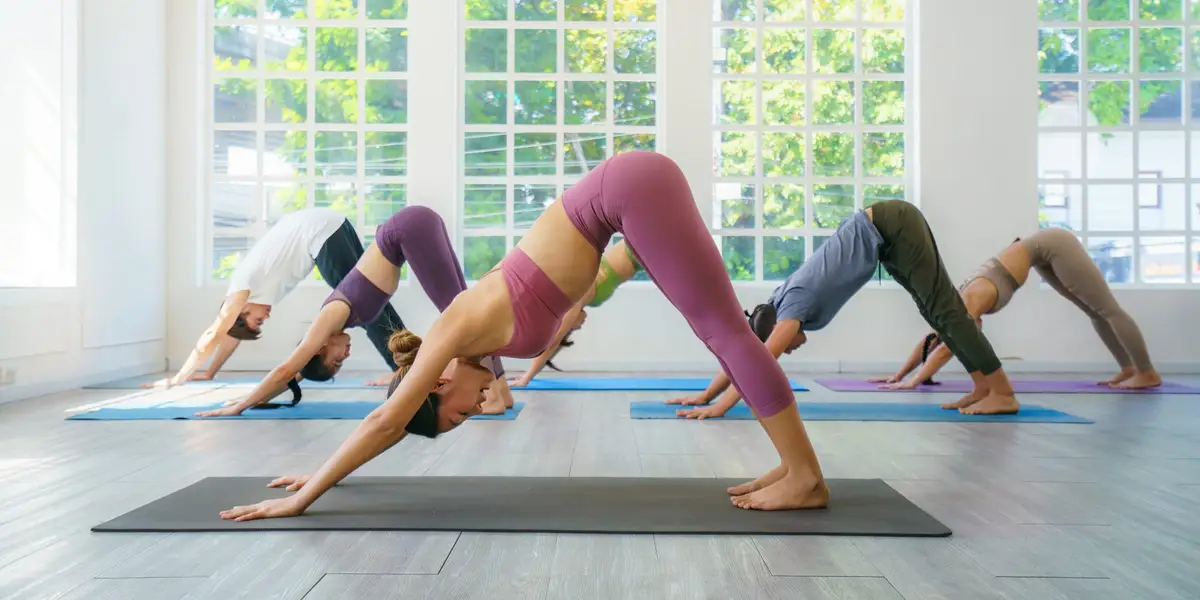
Downward Facing Dog stretches the shoulders, spine, hamstrings, and calves while strengthening the upper body. It encourages length throughout the entire back, helping reduce stiffness.
From my hands and knees, I lift my hips toward the ceiling while creating an inverted V shape. I keep a slight bend in my knees if needed, focusing on extending my spine rather than forcing my heels downward.
The pose leaves my back feeling longer while improving shoulder mobility.
Locust Pose
Locust Pose is one of the most effective yoga exercises for strengthening the upper and lower back. Since weak back muscles often contribute to poor posture, this exercise has become a regular part of my routine.
Lying on my stomach, I lift my chest, arms, and legs slightly from the floor while keeping my neck in a comfortable position. My shoulders stay pulled gently away from my ears.
Holding the posture for several breaths strengthens the muscles responsible for keeping the spine upright.
Child’s Pose
After strengthening exercises, Child’s Pose provides a gentle stretch for the back, shoulders, and hips. It encourages relaxation while helping the spine decompress.
I sit back toward my heels before reaching my arms forward and resting my forehead on the mat. Widening my knees slightly if needed creates additional comfort for my hips and lower back.
Remaining in the pose for several breaths allows my muscles to recover while maintaining flexibility.
Thread the Needle Pose
Thread the Needle gently stretches the shoulders and upper back, two areas that often become tight from poor posture and desk work.
Beginning on my hands and knees, I slide one arm beneath the opposite arm while lowering my shoulder and the side of my head toward the mat. My supporting arm remains stable as I breathe deeply into the stretch.
After holding the pose, I repeat it on the opposite side to maintain balanced flexibility.
Seated Forward Fold
Although commonly associated with hamstring flexibility, Seated Forward Fold also encourages length through the spine when performed correctly.
Sitting with both legs extended, I hinge forward from my hips while maintaining a long back. My hands rest naturally wherever they comfortably reach without forcing the stretch.
Rather than focusing on touching my toes, I concentrate on keeping my spine as long as possible.
Warrior II
Warrior II strengthens the legs, core, and upper back while encouraging proper alignment throughout the body. Holding the pose requires balanced engagement from multiple muscle groups.
Standing with a wide stance, I bend my front knee while extending both arms parallel to the floor. My shoulders remain relaxed as I maintain steady breathing.
The pose reinforces strong posture while improving stability and endurance.
Eagle Arms
Eagle Arms provide an excellent stretch for the upper back and shoulders while helping relieve tension caused by sitting or repetitive arm movements.
I extend both arms forward before crossing one arm over the other and bringing my palms together if possible. Lifting my elbows slightly creates a gentle stretch across the upper back.
Holding the stretch for several breaths leaves my shoulders feeling noticeably looser.
Standing Side Stretch
The muscles along the sides of the body play an important role in maintaining healthy posture. Standing Side Stretch lengthens these muscles while improving mobility throughout the torso.
Standing tall, I raise one arm overhead before leaning gently toward the opposite side. My hips remain stable while the stretch extends from my waist to my fingertips.
Repeating the movement on both sides helps create balanced flexibility throughout the upper body.
Sphinx Pose
Sphinx Pose offers a gentle backbend that strengthens the spine while opening the chest. It provides many of the benefits of Cobra Pose with slightly less intensity.
Lying on my stomach, I place my forearms beneath my shoulders before lifting my chest comfortably. My lower body remains relaxed while I lengthen through the top of my head.
This pose feels especially helpful after spending several hours sitting at a desk.
Tips for Improving Posture Every Day
Consistency has made the greatest difference in my posture. Practicing yoga several times each week helps reinforce healthy movement patterns that gradually carry into everyday life. Even fifteen to twenty minutes can produce noticeable improvements over time.
I also pay attention to my posture throughout the day rather than relying only on yoga sessions. Adjusting my chair, positioning my computer screen at eye level, and taking regular standing breaks help reinforce the benefits of my practice.
Strength and flexibility work best together. Stretching tight muscles while strengthening weaker ones creates balanced support for the spine, making good posture feel natural instead of forced.
Common Mistakes to Avoid
One mistake I often notice is trying to stand perfectly straight by stiffening the body. Good posture should feel relaxed and comfortable rather than rigid. Allowing the shoulders to soften while gently engaging the core creates a much healthier position.
Another common mistake is focusing only on stretching. Although flexibility is important, stronger back, shoulder, and core muscles are equally essential for maintaining proper alignment throughout the day.
Ignoring small posture habits can also slow progress. Looking down at a phone for extended periods or remaining seated without movement eventually places unnecessary strain on the neck and shoulders. Frequent posture checks help prevent those habits from becoming permanent.
Final Thoughts
Good posture is not achieved through a single exercise or one yoga session. It develops gradually through consistent movement, increased body awareness, and stronger supporting muscles that keep the spine aligned naturally.
The best yoga exercises for better posture combine stretching, strengthening, and mindful breathing to improve the way the body moves every day. Practiced regularly, these exercises can reduce stiffness, improve alignment, ease muscular tension, and help you stand taller with greater confidence and comfort.