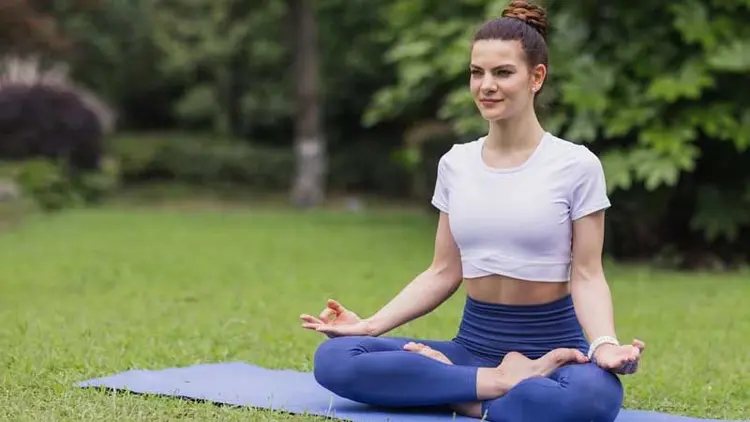
Stress has a way of settling into both the mind and the body. I can usually feel it first in my shoulders, hips, or jaw, long before I fully recognize how overwhelmed I have become. Daily responsibilities, constant notifications, and busy schedules often leave little room to simply slow down. That is why yin yoga has become one of the practices I return to whenever I need to reset.
Unlike faster-paced styles of yoga, yin yoga invites stillness. The poses are held for several minutes, allowing the muscles to soften while gently stretching the body’s deeper connective tissues. Instead of focusing on strength or athletic performance, I concentrate on breathing, patience, and letting go of unnecessary tension. In this guide, I will share the best yin yoga poses to reduce stress, explain how each pose supports relaxation, and offer practical tips for building a calming practice that fits into almost any schedule.
Why Yin Yoga Helps Relieve Stress
One of the reasons I appreciate yin yoga is that it encourages me to slow down in a world that constantly rewards staying busy. Holding poses for longer periods shifts the focus away from movement and toward quiet observation. As my breathing becomes slower, my body gradually follows, releasing tension that I may not have realized I was carrying.
Yin yoga also encourages the nervous system to move into a more relaxed state. Instead of activating the body through continuous movement, the long holds promote deep breathing and stillness, both of which help create a sense of calm. By the end of a session, I often notice that my thoughts feel clearer and my breathing is much steadier.
Another benefit is improved flexibility without aggressive stretching. Remaining in supported positions gives the connective tissues around the hips, spine, and shoulders time to gently lengthen. The physical release often creates an equally noticeable mental release.
Prepare for a Quiet Practice
Before beginning a yin yoga session, I create an environment that encourages relaxation. A quiet room with soft lighting immediately helps me disconnect from the distractions of the day. Comfortable clothing and a supportive yoga mat also make it easier to remain still for several minutes at a time.
I keep a few props nearby, including folded blankets, yoga blocks, and a bolster or firm cushion. These supports allow me to relax into each posture without unnecessary muscular effort. The goal is not to stretch as deeply as possible but to remain comfortable enough to stay present.
I also silence my phone and set aside enough time so I do not feel rushed. Even twenty to thirty minutes of uninterrupted practice can leave me feeling noticeably calmer.
Child’s Pose
Child’s Pose is often where I begin because it immediately creates a sense of safety and relaxation. The gentle forward fold stretches the lower back, hips, and shoulders while encouraging slow, steady breathing.
I kneel on the mat with my knees comfortably apart before lowering my torso toward the floor. If I want additional support, I place a bolster or folded blankets beneath my chest so I can fully relax.
Remaining in the pose for several minutes allows tension to melt away gradually. Each exhale feels like an opportunity to release stress from both my body and mind.
Butterfly Pose
Butterfly Pose gently stretches the hips, inner thighs, and lower back while encouraging deep relaxation. Since many people store tension around the hips, this posture often feels particularly calming.
Sitting comfortably, I bring the soles of my feet together and allow my knees to fall outward naturally. Instead of sitting upright, I slowly fold forward until I find a comfortable resting position.
Using a bolster beneath my chest makes it easier to stay relaxed throughout the hold. I focus less on stretching deeply and more on breathing naturally.
Caterpillar Pose
Caterpillar Pose resembles a seated forward fold but is practiced with complete relaxation rather than muscular effort. It gently stretches the spine, hamstrings, and back while calming the nervous system.
I sit with my legs extended before folding forward naturally, allowing my back to round slightly without forcing the movement. My hands rest wherever they comfortably reach.
Holding the pose for several minutes teaches patience while encouraging both physical and mental stillness.
Dragon Pose
Dragon Pose provides a deep stretch for the hip flexors, which often become tight after prolonged sitting. Releasing this area can create a noticeable sense of freedom throughout the lower body.
Starting in a low lunge, I slowly sink my hips forward while supporting my hands on yoga blocks if necessary. Rather than pushing into discomfort, I stop at the point where I can breathe comfortably.
After several minutes, I switch sides and notice how much lighter my hips feel.
Sleeping Swan Pose
Sleeping Swan is the yin variation of Pigeon Pose and offers a gentle stretch for the outer hips and glutes. It is one of my favorite poses after a stressful day because it encourages both physical release and mental quiet.
I bring one knee forward while extending the opposite leg behind me. Placing a bolster beneath my chest allows me to rest completely rather than supporting myself with muscular effort.
The longer hold gives my hips time to gradually soften without forcing additional flexibility.
Sphinx Pose
Sphinx Pose introduces a gentle backbend that opens the chest while encouraging healthy movement through the spine. It provides a refreshing contrast to the many forward bends included in a yin practice.
Lying on my stomach, I position my forearms beneath my shoulders and gently lift my chest. My elbows remain directly under my shoulders while my lower body stays relaxed.
Maintaining the posture for several minutes creates a comfortable stretch without placing excessive pressure on the lower back.
Seal Pose
Seal Pose offers a slightly deeper backbend than Sphinx Pose while remaining suitable for a restorative yin practice. It stretches the front of the body while gently compressing the lower spine.
From Sphinx Pose, I straighten my arms as much as feels comfortable while allowing my shoulders to stay relaxed. I avoid forcing the movement and simply remain where my body feels supported.
If I notice any discomfort in my lower back, I return to Sphinx Pose instead.
Reclining Twist
A gentle reclining twist helps release tension throughout the spine while encouraging complete relaxation. It has become one of my favorite poses to practice in the evening.
Lying on my back, I draw one knee across my body while extending the opposite arm outward. Both shoulders remain grounded as I breathe deeply into the stretch.
After several minutes, I repeat the pose on the opposite side. The gentle twist often leaves my entire back feeling refreshed.
Happy Baby Pose
Happy Baby Pose stretches the hips, groin, and lower back while promoting a playful sense of ease. Despite its simple appearance, it provides a surprisingly effective release for areas that commonly hold tension.
Lying comfortably on my back, I bend both knees toward my chest before holding my feet or ankles. My knees move naturally toward the floor without forcing the position.
Sometimes I gently rock from side to side, creating a soothing massage for my lower back that enhances the relaxing effect.
Legs Up the Wall
Legs Up the Wall is one of the most calming poses in any yin yoga practice. It encourages circulation while giving tired legs an opportunity to recover completely.
Sitting beside a wall, I carefully swing my legs upward as I lower my back onto the floor. My arms rest comfortably beside me while my breathing gradually slows.
Staying in this posture for five to fifteen minutes creates a deep sense of rest that carries well beyond the yoga session.
Supported Savasana
Every yin yoga practice deserves an unhurried ending, and Supported Savasana provides exactly that. This final resting pose allows the body to absorb the benefits of the entire session.
I lie comfortably on my back with a bolster beneath my knees and a folded blanket supporting my head if needed. My arms rest naturally beside my body with my palms facing upward.
Closing my eyes and simply observing my breath creates a peaceful conclusion that leaves me feeling lighter, calmer, and fully restored.
Breathing Techniques That Enhance Relaxation
Although the poses themselves encourage relaxation, mindful breathing deepens the experience even further. I usually breathe slowly through my nose, allowing each inhale to feel natural rather than forced. My exhale becomes slightly longer than my inhale, helping my body settle into a calmer rhythm.
Whenever distracting thoughts appear, I gently return my attention to my breathing without judging myself. This simple habit helps quiet mental chatter while making each pose feel more restorative.
Even a few minutes of focused breathing can completely change how a yin yoga session feels. The combination of stillness and steady breathing creates a powerful environment for reducing stress.
Tips for Building a Consistent Yin Yoga Practice
I have discovered that consistency matters far more than session length. Practicing for twenty or thirty minutes a few evenings each week produces better long-term results than occasional marathon sessions. A regular routine allows both the body and mind to become familiar with slowing down.
Using props generously has also transformed my practice. Blankets, bolsters, and yoga blocks allow me to remain comfortable without unnecessary muscular effort. The more supported I feel, the easier it becomes to relax completely.
I also avoid treating yin yoga as a flexibility competition. Progress comes from patience rather than intensity. Allowing the body to soften naturally has consistently provided better results than forcing deeper stretches.
Common Mistakes to Avoid
One mistake I avoid is pushing too deeply into a pose simply because I can. Yin yoga is not about reaching the maximum stretch. Gentle sensation is enough, and comfort always takes priority over depth.
Another common mistake is moving too frequently. Remaining still gives the connective tissues time to respond while allowing the nervous system to settle. Constant adjustments often interrupt the relaxing effect of the practice.
Rushing through the final relaxation can also reduce the benefits. Giving myself several quiet minutes in Supported Savasana allows both my body and mind to fully absorb everything the session has offered.
Final Thoughts
Stress is an unavoidable part of life, but it does not have to remain trapped in the body. Yin yoga offers a peaceful opportunity to slow down, breathe deeply, and release tension through gentle, sustained stretches that calm both the muscles and the mind.
The best yin yoga poses to reduce stress encourage patience, mindful breathing, and complete relaxation rather than physical effort. Practiced regularly, these poses can improve flexibility, quiet a busy mind, reduce muscular tension, and create a lasting sense of balance that extends well beyond the yoga mat.