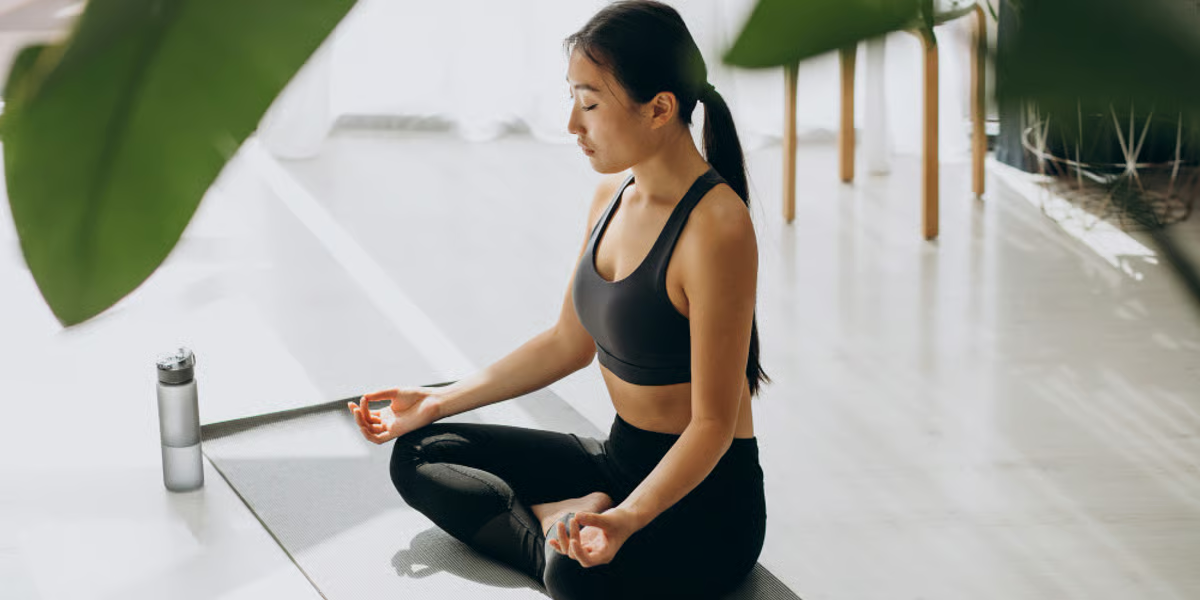
Stepping onto my yoga mat has never been only about stretching or building strength. The physical poses certainly help me feel healthier, but I quickly discovered that yoga becomes much more meaningful when meditation is part of the practice. Instead of simply moving from one pose to another, I learned to slow down, pay attention to my breathing, and become fully present. That simple shift transformed yoga from a workout into something that supports both my body and mind.
Many people think of yoga and meditation as separate activities, but they naturally complement one another. Yoga prepares the body to sit comfortably and quietly, while meditation trains the mind to remain focused and calm. Together, they create a balanced practice that improves physical health, reduces stress, and encourages greater self-awareness. In this guide, I will explain how meditation and yoga work together, why they are so effective as a combination, and how you can include both in your daily routine.
The Connection Between Yoga and Meditation
Although yoga is often associated with physical postures, its traditional purpose extends far beyond movement alone. The poses, known as asanas, are only one part of a broader practice that also includes breathing exercises, concentration, and meditation.
I have found that yoga naturally prepares my body for meditation. Stretching tight muscles, improving posture, and releasing physical tension make it much easier to sit comfortably without becoming distracted by aches or stiffness.
Meditation, in turn, strengthens the mental focus I bring into yoga. Rather than rushing through poses, I become more aware of my breathing, balance, and movement, allowing each session to feel more intentional.
Yoga Prepares the Body for Meditation
Sitting still sounds simple until you actually try it for several minutes. Before I began practicing yoga regularly, I often found myself distracted by tight hips, sore shoulders, or an uncomfortable back.
Yoga gradually improved my flexibility and posture, making meditation much more comfortable. Gentle stretches open the hips, lengthen the spine, and relax the shoulders, creating a stable seated position that requires less physical effort to maintain.
Because my body feels more comfortable after yoga, my mind has fewer physical distractions competing for attention during meditation.
Meditation Strengthens Your Yoga Practice
Just as yoga supports meditation, meditation also improves the quality of every yoga session. One of the first changes I noticed was increased concentration. Instead of thinking about work, errands, or tomorrow’s schedule, I became much more present during each pose.
That improved focus also enhanced my balance. Standing poses became steadier because my attention remained on my breathing instead of wandering toward outside distractions.
Meditation has also taught me patience. Rather than becoming frustrated when a pose feels difficult, I now approach challenges with greater curiosity and acceptance.
Breathing Connects Both Practices
Breathing forms the bridge between yoga and meditation. During yoga, slow and controlled breathing coordinates movement while helping the body remain relaxed. During meditation, that same steady breathing becomes an anchor that keeps the mind focused.
Whenever I notice my thoughts becoming scattered, returning my attention to my breath immediately creates a sense of calm. That habit has become useful not only during practice but also throughout daily life.
The more consistently I practice mindful breathing, the more naturally it carries over into stressful situations outside the yoga studio.
Both Practices Reduce Stress
Stress was one of the main reasons I became interested in yoga, and adding meditation amplified those benefits considerably. Physical movement releases muscular tension that often accumulates after long hours of sitting or working.
Meditation addresses stress from another direction by calming the mind and encouraging slower, deeper breathing. Together, they help activate the body’s natural relaxation response while reducing feelings of overwhelm.
After combining both practices regularly, I noticed that I recovered more quickly from stressful situations instead of carrying tension throughout the day.
Yoga Builds Awareness of the Body
One of yoga’s greatest strengths is its ability to increase body awareness. Each pose encourages me to notice how my muscles feel, where I am holding tension, and how my posture changes throughout the practice.
This awareness becomes especially valuable during meditation. Instead of constantly adjusting my position, I recognize subtle sensations without immediately reacting to them.
That deeper connection with my body has improved not only my yoga practice but also the way I move throughout everyday life.
Meditation Develops Awareness of the Mind
While yoga increases physical awareness, meditation trains me to observe my thoughts without becoming controlled by them. I have learned that thoughts naturally come and go, and meditation simply teaches me not to chase every one of them.
This mental awareness carries directly into yoga practice. If I become frustrated by a difficult pose or distracted during class, meditation helps me gently return my attention to the present moment.
Developing this skill has made both practices feel more peaceful and rewarding.
Better Sleep Through Yoga and Meditation
One of the most noticeable benefits I have experienced from combining yoga and meditation is improved sleep quality. Evening yoga helps release physical tension that builds throughout the day, while meditation quiets the mental activity that sometimes keeps me awake.
Instead of carrying stress into bed, I finish the evening feeling calmer and more relaxed. Even a short session of gentle stretching followed by a few minutes of meditation often makes falling asleep much easier.
Better sleep also improves my energy, mood, and overall performance during future yoga sessions.
Greater Emotional Balance
Life naturally includes moments of frustration, disappointment, and uncertainty. Practicing yoga and meditation together has not eliminated those emotions, but it has changed the way I respond to them.
Yoga provides a healthy physical outlet for releasing stress, while meditation encourages me to observe emotions without reacting impulsively. That combination has helped me become more patient in difficult situations.
Over time, I have noticed greater emotional resilience both on and off the mat.
Improved Focus Throughout the Day
Many people associate meditation with relaxation alone, but I have found that it also sharpens concentration. Spending a few quiet minutes focusing on my breathing helps clear mental clutter before beginning work or other important tasks.
Yoga contributes by increasing circulation, improving posture, and reducing physical discomfort that might otherwise become distracting.
Together, they create a balanced state of calm alertness that supports productivity without unnecessary tension.
Simple Ways to Combine Yoga and Meditation
You do not need lengthy sessions to experience the benefits of combining these practices. I often begin with five minutes of quiet breathing before moving into twenty or thirty minutes of yoga.
At the end of practice, I remain seated for another five or ten minutes of meditation while allowing my breathing to settle naturally. This simple routine creates a smooth transition from movement into stillness.
Even shorter sessions work well during busy days. A few mindful stretches followed by several minutes of focused breathing can provide noticeable mental and physical benefits.
Which Should You Practice First?
People often ask whether meditation should come before or after yoga. Personally, I prefer beginning with yoga because movement helps release stiffness while making it easier to sit comfortably afterward.
Practicing meditation after yoga also feels more natural because my breathing has already slowed and my body feels relaxed. My mind tends to settle more quickly once physical tension has been reduced.
That said, there is no universal rule. Some people enjoy beginning the day with meditation before moving into yoga, while others separate the two practices entirely. The best routine is the one that fits comfortably into your schedule.
Common Mistakes to Avoid
One mistake I made early on was believing that meditation required a completely empty mind. In reality, thoughts naturally arise during meditation. The goal is simply to notice them and gently return attention to the breath without becoming frustrated.
Another common mistake is rushing through yoga simply to reach meditation. Both practices deserve equal attention because each supports the other in meaningful ways.
Finally, I avoid expecting immediate results. Like flexibility and strength, mindfulness develops gradually through consistent practice rather than overnight transformation.
Building a Sustainable Routine
The easiest way I have found to maintain both yoga and meditation is by keeping the routine simple. Beginning with fifteen or twenty minutes of yoga followed by five minutes of meditation feels manageable even on busy days.
Practicing at the same time each day also helps establish consistency. Whether in the morning to prepare for the day or in the evening to unwind, regular practice gradually becomes a natural habit.
Most importantly, I remind myself that consistency matters more than duration. Short sessions performed regularly often provide greater long-term benefits than occasional marathon practices.
Final Thoughts
Yoga and meditation are powerful on their own, but together they create a practice that supports both physical health and mental well-being. Yoga prepares the body by improving flexibility, posture, and strength, while meditation develops focus, emotional balance, and inner calm. Each practice strengthens the other, creating benefits that extend far beyond the time spent on the mat.
Learning how meditation and yoga work together has transformed the way I practice. Instead of viewing them as separate activities, I now see them as complementary parts of a single journey toward better health, greater mindfulness, and a more balanced life. Whether you begin with just a few minutes of breathing or combine a full yoga session with meditation, the rewards grow steadily with consistent practice.