Life has a way of filling every hour with responsibilities, deadlines, and constant distractions. Even after the day is over, I sometimes notice that my body remains tense while my mind continues racing. That lingering stress can affect sleep, concentration, and overall well-being. Restorative yoga has become one of my favorite ways to slow down because it encourages complete relaxation without requiring physical effort.
Unlike more active styles of yoga, restorative yoga focuses on long, supported holds that allow the body to release tension naturally. Instead of working hard, I let blankets, bolsters, blocks, and cushions support me while I settle into each posture. The result is a practice that calms the nervous system, encourages mindful breathing, and leaves me feeling refreshed both physically and mentally. In this guide, I will share the best restorative yoga poses for deep relaxation, explain their benefits, and offer practical advice for creating a peaceful practice at home.
Why Restorative Yoga Is So Effective
Many forms of exercise strengthen muscles and improve endurance, but restorative yoga serves a different purpose. It gives the body permission to rest while allowing tight muscles to soften without force. Remaining in each pose for several minutes creates an opportunity for the nervous system to shift away from constant alertness and toward a calmer, more balanced state.
I have found that restorative yoga also improves body awareness. During a quiet practice, I notice areas where I unconsciously hold tension, such as my shoulders, jaw, hips, or lower back. Simply becoming aware of those patterns often helps me release them more easily.
Another benefit is improved breathing. Slow, steady breaths encourage relaxation while gently lowering stress levels. By the end of a restorative session, my breathing feels deeper, my muscles feel lighter, and my mind is noticeably calmer.
Create a Comfortable Practice Space
Before beginning, I like to prepare a quiet environment where I will not be interrupted. Soft lighting, comfortable clothing, and a supportive yoga mat make the experience much more enjoyable.
If I have yoga props available, I gather them before starting. Bolsters, folded blankets, cushions, yoga blocks, and even sturdy pillows can provide excellent support during restorative poses. Having everything within reach allows me to remain relaxed throughout the practice.
I also silence my phone and allow myself enough time to move slowly without watching the clock. Restorative yoga works best when I am not rushing from one activity to the next.
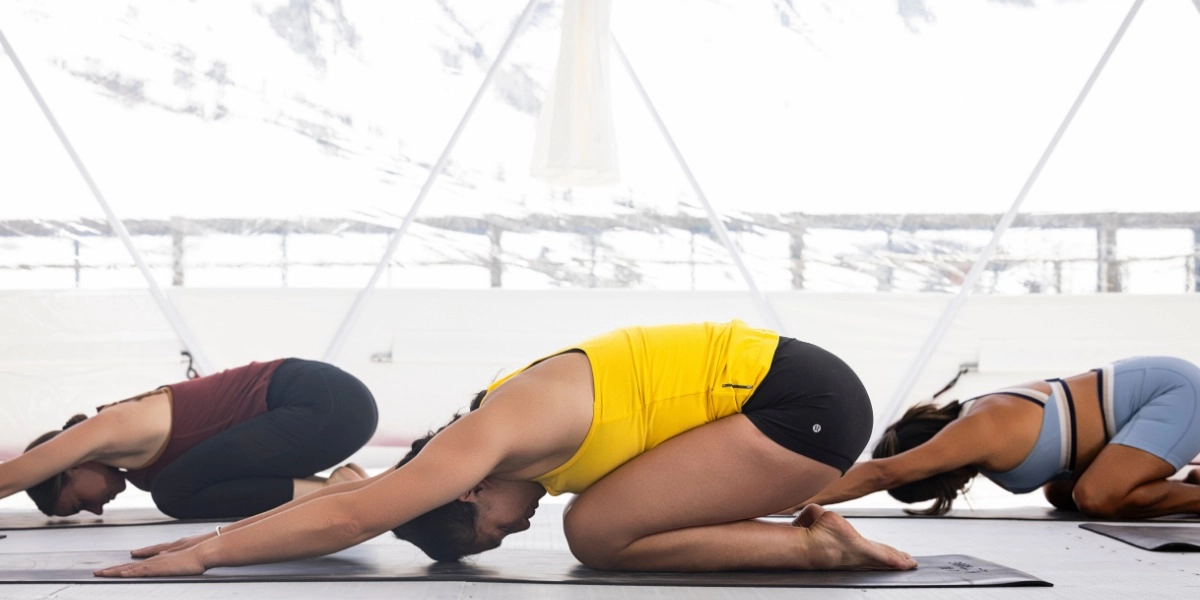
Supported Child’s Pose
Supported Child’s Pose gently stretches the lower back, hips, and shoulders while encouraging complete relaxation. It often becomes the first pose I practice because it immediately creates a sense of calm.
I kneel on the mat with my knees comfortably apart before placing a bolster or several folded blankets between my thighs. Slowly lowering my chest onto the support allows my entire body to relax without effort.
Resting my head comfortably while extending or relaxing my arms helps release tension throughout my spine. Remaining here for several minutes always leaves me feeling grounded.
Reclining Bound Angle Pose
This gentle posture opens the hips and chest while encouraging slow, effortless breathing. It is especially comforting after spending long hours sitting at a desk.
I sit with the soles of my feet together before carefully reclining onto a bolster positioned along my spine. Cushions beneath my knees provide extra support, allowing my hips to relax completely.
As I settle into the pose, I focus on smooth breathing rather than stretching deeply. The supported position allows gravity to work naturally without creating discomfort.
Legs Up the Wall
Legs Up the Wall is one of the simplest restorative poses, yet it consistently provides remarkable relief for tired legs and a busy mind. I often practice it after long walks, demanding workouts, or busy workdays.
Sitting beside a wall, I gently swing my legs upward while lowering my back onto the floor. My hips remain a comfortable distance from the wall, and my arms rest naturally at my sides.
Remaining in this position for five to fifteen minutes encourages relaxation while easing fatigue in the legs and lower back.
Supported Forward Fold
A gentle seated forward fold supported by cushions allows the back and hips to relax without requiring significant flexibility. The emphasis remains on comfort rather than depth.
Sitting with my legs extended or crossed comfortably, I place several cushions or a bolster in front of me before folding forward until my upper body rests completely on the support.
Instead of reaching farther, I simply allow my body to settle. Each slow exhale seems to release another layer of muscular tension.
Supported Twist
A supported spinal twist gently mobilizes the back while helping the shoulders and hips relax. Unlike deeper twisting poses, this variation emphasizes comfort throughout the entire body.
I position a bolster beside me before slowly turning my torso and resting it completely on the support. My head turns comfortably to one side while my arms remain relaxed.
After several minutes, I repeat the posture on the opposite side. The gentle twist leaves my back feeling refreshed without any sense of strain.
Supported Bridge Pose
Supported Bridge Pose creates a mild opening across the front of the body while allowing the lower back to rest comfortably. Instead of relying on muscular effort, the support beneath the hips maintains the position.
Lying on my back with my knees bent, I lift my hips slightly and slide a yoga block or bolster beneath my pelvis before relaxing completely.
Because my muscles no longer need to work, I can focus entirely on slow breathing and releasing tension throughout my body.
Reclined Pigeon Pose
The hips often store significant tension, making Reclined Pigeon Pose an excellent addition to a restorative routine. This gentle variation stretches the outer hips while protecting the lower back.
Lying comfortably on my back, I cross one ankle over the opposite knee before gently drawing my legs toward my chest. I hold behind my thigh rather than my knee to maintain comfort.
Remaining still for several minutes allows the stretch to deepen naturally without forcing the movement.
Supported Fish Pose
Supported Fish Pose opens the chest and shoulders while encouraging deeper breathing. It feels particularly refreshing after spending hours sitting or looking at a computer screen.
Placing a bolster lengthwise beneath my spine allows my chest to open comfortably while my head remains fully supported. My arms rest naturally beside me with my palms facing upward.
The gentle opening across the front of my body encourages full, relaxed breaths that become slower with each passing minute.
Happy Baby Pose
Happy Baby Pose offers a soothing stretch for the hips and lower back while promoting relaxation throughout the body. It is one of the few poses that feels playful while remaining deeply calming.
Lying on my back, I bend both knees toward my chest before holding my feet or ankles comfortably. My knees remain wide while my shoulders stay relaxed against the floor.
Sometimes I gently rock from side to side, creating a soft massage for my lower back that feels especially comforting.
Supported Savasana
No restorative practice feels complete without an extended Savasana. This final pose allows both the body and mind to absorb the benefits of the entire session.
I lie comfortably on my back with a rolled blanket beneath my knees to reduce pressure on my lower back. If needed, I place a folded towel beneath my head to support my neck.
Closing my eyes and focusing only on my breathing creates a profound sense of calm. Even ten minutes in this position leaves me feeling noticeably more rested.
Guided Breathing for Deeper Relaxation
Adding mindful breathing to restorative yoga enhances the calming effects of every pose. I usually begin by inhaling slowly through my nose for a comfortable count before exhaling even more gradually.
Rather than trying to control every breath perfectly, I simply allow my breathing to become smooth and steady. Each exhale feels like an invitation to release another layer of physical tension.
Focusing on the breath also helps quiet mental distractions. Instead of replaying the day’s events, my attention naturally settles into the present moment.
Tips for Getting the Most From Restorative Yoga
Comfort should always take priority over appearance. If a pose feels strained, I add another blanket or cushion until I can fully relax. Proper support allows my muscles to soften without effort, which is the primary goal of restorative yoga.
I also avoid rushing between poses. Moving slowly preserves the sense of calm that develops throughout the practice. Even simple transitions become part of the relaxation process when performed mindfully.
Consistency has made the greatest difference in how I feel. Practicing restorative yoga two or three times each week has helped reduce stress while improving the quality of my sleep and overall sense of well-being.
Common Mistakes to Avoid
One common mistake is treating restorative yoga like a stretching workout. The objective is not to increase flexibility as much as possible but to create complete physical comfort. Gentle support almost always produces better results than deeper stretches.
Another mistake is skipping props because they seem unnecessary. Bolsters, blankets, cushions, and blocks transform many poses into truly restorative experiences by removing unnecessary muscular effort.
Trying to shorten the holds can also reduce the benefits of the practice. The body often needs several minutes before it begins releasing deeply held tension. Allowing enough time in each pose makes the session much more rewarding.
Final Thoughts
Restorative yoga offers a welcome reminder that wellness is not always about pushing harder or doing more. Sometimes the greatest benefits come from slowing down, breathing deeply, and giving the body permission to rest.
The best restorative yoga poses for deep relaxation create a peaceful balance between gentle support and mindful stillness. Practiced regularly, these poses can reduce stress, ease muscular tension, improve sleep quality, and provide a quiet space to reconnect with both body and mind in the middle of a busy life.