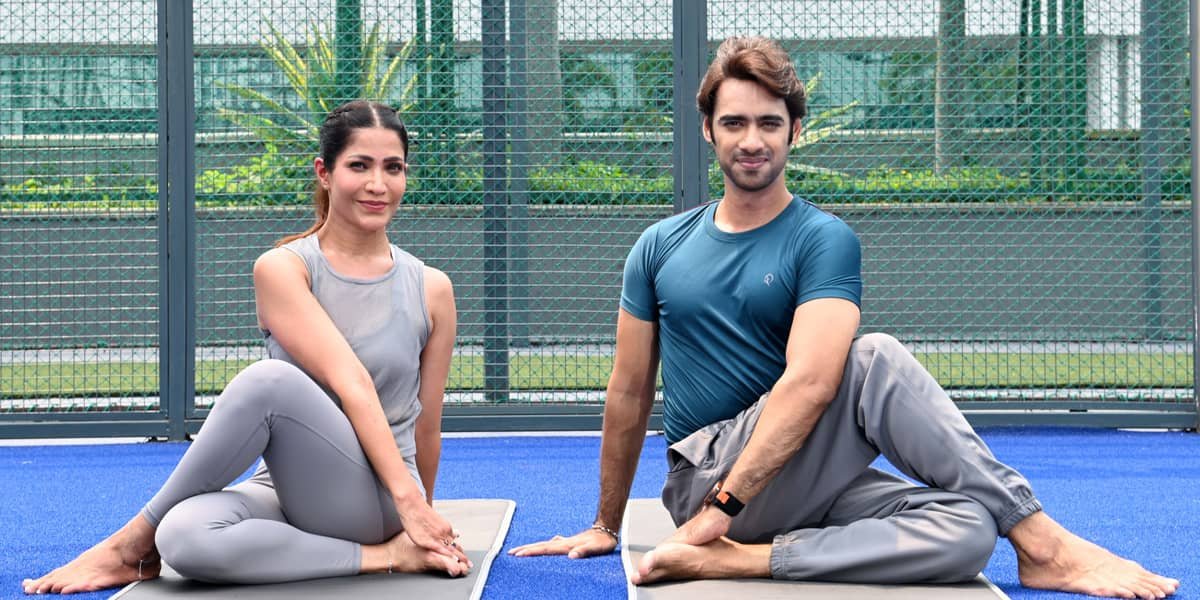
Starting a weight loss journey often feels overwhelming because of the endless workout plans, diet trends, and conflicting advice available online. I discovered that success rarely comes from chasing the hardest workout. Instead, it comes from building a routine that feels realistic enough to practice consistently, and yoga has become one of the most effective ways to do exactly that.
Although yoga may not burn as many calories as an intense sprint or heavy weightlifting session, it offers something equally valuable for beginners. It builds strength, improves flexibility, supports better posture, reduces stress, and encourages mindful habits that make healthy living easier to maintain. In this guide, I will share the best yoga routine for weight loss beginners, explain why each pose deserves a place in the sequence, and offer practical tips that can help make the journey both enjoyable and sustainable.
How Yoga Supports Weight Loss
Weight loss is influenced by many factors, including physical activity, nutrition, sleep, and consistency. Yoga supports this process by helping the body become stronger while encouraging healthier daily habits. As my practice became more regular, I noticed that I felt more energetic, more mindful about my food choices, and more motivated to stay active throughout the day.
Yoga also develops lean muscle, which contributes to a healthier metabolism over time. Many standing poses require multiple muscle groups to work together, increasing overall strength while improving balance and coordination. Although the calorie burn may be moderate, the long-term benefits extend well beyond a single workout.
Stress management is another important advantage. Elevated stress levels can encourage overeating and make it harder to maintain healthy routines. I have found that finishing a yoga session leaves me calmer and more focused, making it easier to stick with my weight loss goals.
Begin With Gentle Warm-Up Movements
Preparing the body before moving into more demanding poses makes the entire practice feel smoother. A proper warm-up increases circulation, loosens stiff joints, and reduces the risk of discomfort during the workout.
I usually begin with gentle neck rolls, shoulder circles, hip rotations, and ankle mobility exercises. After a few minutes, I move into Cat-Cow Pose, allowing my spine to warm up while coordinating movement with slow breathing.
Even five minutes of preparation makes a noticeable difference. My muscles respond better, my movements feel more controlled, and I find it easier to transition between poses.
Mountain Pose
Mountain Pose creates the foundation for the entire routine. While it may appear simple, it teaches proper posture, body awareness, and balanced weight distribution before progressing into more active movements.
Standing tall with my feet hip-width apart, I engage my core gently while relaxing my shoulders. My arms remain comfortable at my sides as I take several deep breaths and focus on maintaining steady alignment.
Starting here allows me to mentally settle into the practice before increasing the intensity.
Chair Pose
Chair Pose quickly increases my heart rate while strengthening the legs, glutes, and core. It is one of the most effective beginner-friendly poses for building endurance and improving lower-body strength.
I bend my knees as though sitting into an invisible chair while reaching my arms overhead. Keeping my chest lifted prevents unnecessary strain on my lower back and encourages better posture throughout the movement.
Holding the pose for several breaths challenges my muscles without requiring complicated techniques. As my strength improves, I gradually increase the duration of each hold.
Warrior I
Warrior I combines strength, flexibility, and stability in one powerful posture. It activates the legs while opening the hips and chest, making it an excellent addition to any beginner routine.
I step one foot backward while bending my front knee and lifting my arms overhead. My hips stay facing forward as I maintain a strong stance through both legs.
Slow breathing helps me remain steady instead of rushing through the pose. I repeat the movement on both sides to develop balanced strength.
Warrior II
Warrior II builds endurance while strengthening the legs, shoulders, and core. It also improves balance and body awareness, making it one of the most valuable standing poses in my practice.
With my feet positioned wide apart, I bend my front knee while extending both arms parallel to the floor. My gaze remains focused over my front fingertips as I keep my shoulders relaxed.
Holding the posture for several breaths creates a satisfying challenge while encouraging proper alignment throughout the body.
Downward Facing Dog
Downward Facing Dog provides an opportunity to recover while continuing to strengthen the body. It stretches the hamstrings, calves, shoulders, and back while engaging the arms and core.
From my hands and knees, I lift my hips toward the ceiling, creating an inverted V shape. I keep a slight bend in my knees if my hamstrings feel tight, focusing instead on lengthening my spine.
The pose helps restore energy between more demanding movements while continuing to improve flexibility.
Plank Pose
Plank Pose develops full-body strength more effectively than many beginners expect. It activates the shoulders, chest, core, legs, and glutes simultaneously, making it an excellent addition to a weight loss routine.
I position my shoulders directly above my wrists while keeping my body in one straight line from head to heels. Rather than holding my breath, I maintain slow, controlled breathing throughout the pose.
Even holding Plank for twenty to thirty seconds provides an excellent workout. Gradually increasing the duration builds strength safely over time.
Cobra Pose
After strengthening poses, Cobra Pose offers a gentle backbend that stretches the front of the body while strengthening the muscles along the spine.
Lying face down, I place my hands beneath my shoulders and gently lift my chest without forcing the movement. My elbows stay slightly bent while my shoulders remain relaxed away from my ears.
This posture improves posture while helping counteract the effects of prolonged sitting.
Boat Pose
Boat Pose is one of my favorite exercises for strengthening the core. A strong core supports better posture, improves balance, and makes many other yoga poses easier to perform.
Sitting on the mat, I lift my feet while balancing on my sitting bones. My chest remains lifted as I either extend my legs or keep my knees bent depending on how I feel that day.
Rather than focusing on how high I lift my legs, I concentrate on maintaining steady breathing and proper alignment.
Bridge Pose
Bridge Pose strengthens the glutes, hamstrings, and lower back while opening the hips and chest. It provides a welcome contrast after several standing postures.
Lying on my back with my knees bent, I press through my feet to lift my hips toward the ceiling. My shoulders remain grounded while my knees stay aligned with my ankles.
Lowering slowly with control engages the muscles throughout the movement, making each repetition more effective.
Child’s Pose
Child’s Pose offers a chance to recover without ending the workout completely. It gently stretches the lower back, hips, and shoulders while allowing my breathing to slow naturally.
I sit back toward my heels before reaching my arms forward and resting my forehead on the mat. Remaining here for several slow breaths helps release tension that may have built during the session.
This posture reminds me that recovery is an important part of every successful fitness routine.
Seated Forward Fold
Ending the practice with Seated Forward Fold stretches the hamstrings and lower back while encouraging relaxation. It also helps reduce muscle tightness after the more active portions of the workout.
I extend both legs in front of me before hinging gently from my hips. My hands rest wherever they naturally reach without pulling or forcing the stretch.
Slow breathing allows my muscles to relax naturally, making the stretch feel more comfortable with each passing breath.
Building a Beginner Weight Loss Routine
I like to perform each pose for thirty to forty-five seconds while moving smoothly from one to the next. Completing the sequence two or three times creates a workout lasting between twenty-five and forty minutes, depending on my pace.
Practicing four or five days each week has provided the best balance between consistency and recovery. On rest days, I often take a gentle walk or perform light stretching to keep my body moving without overexertion.
As my fitness improves, I gradually increase the duration of each pose rather than rushing into advanced variations. Small improvements repeated consistently produce lasting results.
Habits That Maximize Results
Nutrition remains an essential part of any weight loss journey. Yoga works best when combined with balanced meals that include lean protein, whole grains, fruits, vegetables, and healthy fats. Staying hydrated throughout the day also supports recovery and overall performance.
Getting enough sleep has made a noticeable difference in both my energy levels and workout quality. Well-rested muscles recover more efficiently, and I feel much more motivated to maintain healthy habits after a good night’s sleep.
Patience has become one of the most valuable lessons yoga has taught me. Sustainable weight loss happens gradually, and celebrating small improvements keeps motivation high throughout the process.
Common Mistakes Beginners Should Avoid
One mistake I often see is trying to progress too quickly. Advanced poses are not necessary for effective workouts, and focusing on proper form produces better long-term results than rushing into difficult movements.
Another common issue is comparing progress with others. Every body responds differently, and flexibility, strength, and weight loss all develop at their own pace. I measure success by my own consistency rather than someone else’s achievements.
Skipping warm-ups and cooldowns can also reduce the effectiveness of the routine. Taking a few extra minutes before and after each session keeps the body feeling healthier and more prepared for future workouts.
Final Thoughts
Starting a fitness journey does not require complicated equipment or exhausting workouts. A simple yoga routine performed consistently can improve strength, flexibility, balance, endurance, and overall well-being while supporting healthy weight loss habits.
The best yoga routine for weight loss beginners is one that feels sustainable enough to practice regularly. By combining mindful movement, controlled breathing, and gradual progression, this routine creates a solid foundation for lasting results. With patience, consistency, and a positive mindset, yoga can become an enjoyable part of a healthier lifestyle that extends far beyond the number on the scale.

2 comments
Hi everyone, it’s my first visit at this site,
and piece of writing is genuinely fruitful for me, keep up posting such posts.
Hi thanks for your review. We will keep update!