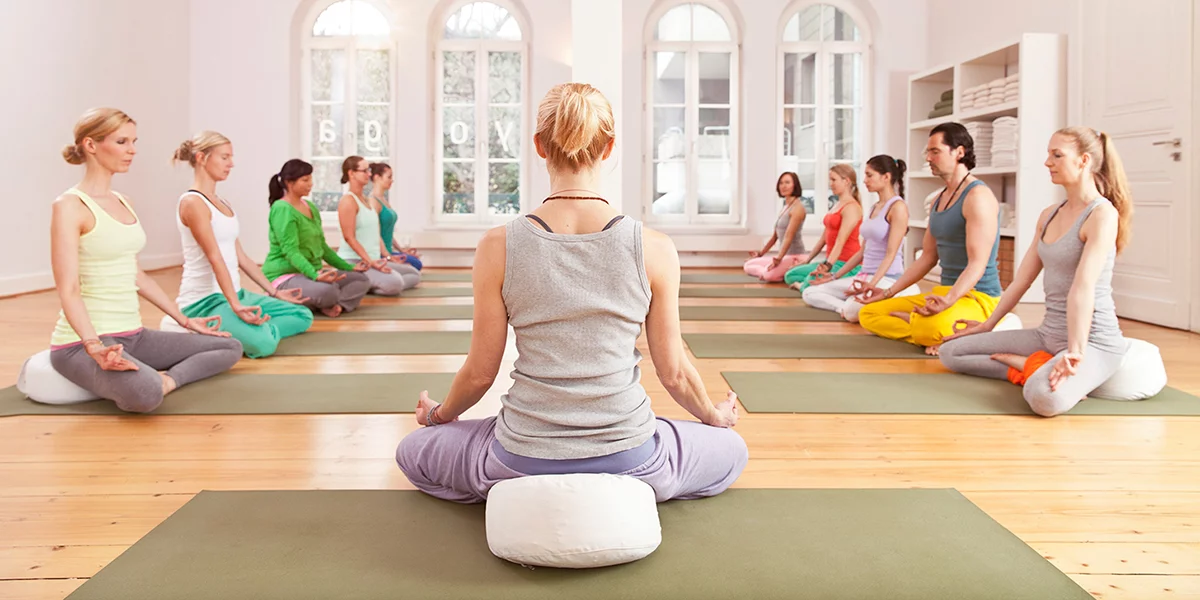
Balance influences nearly every movement I make, whether I am walking across a crowded room, climbing a flight of stairs, or simply standing on one leg while putting on my shoes. It is easy to overlook until it begins to fade, but once I started paying closer attention to my stability, I realized how much it affected my confidence, posture, and overall strength. Yoga became one of the most rewarding ways to improve that balance because it challenged both my body and my mind at the same time.
A steady yoga practice has taught me that balance is not about remaining perfectly still. It is about learning how to respond when the body shifts, adjusting with control instead of tension. In this guide, I will share the best yoga poses for better balance, explain why they are effective, and offer practical advice that has helped me become steadier on and off the mat.
Why Balance Matters
Good balance extends far beyond yoga practice. It supports everyday movements, improves coordination, reduces the likelihood of falls, and helps the body move more efficiently. Even activities that seem simple rely on dozens of muscles working together to keep the body stable.
I have noticed that balance depends on more than strong legs. The core, hips, ankles, feet, and even the muscles around the shoulders all contribute to maintaining proper alignment. When one area becomes weak or stiff, the entire system has to compensate.
Yoga strengthens these connections through controlled movement and focused breathing. Instead of relying on momentum, every posture encourages me to engage stabilizing muscles while remaining fully present in each movement.
Mountain Pose
Mountain Pose may appear effortless, but it establishes the foundation for nearly every standing yoga posture. Developing proper alignment here has helped me improve my balance before progressing to more challenging poses.
I stand with my feet about hip-width apart, distributing my weight evenly across both feet. My shoulders relax away from my ears while I lengthen through the crown of my head and gently engage my abdominal muscles.
Remaining still for several slow breaths allows me to notice small shifts in my posture. The more aware I become of my alignment, the easier it is to maintain stability throughout my practice.
Tree Pose
Tree Pose remains one of the most recognizable balance poses in yoga, and it continues to challenge me regardless of how long I have practiced. It strengthens the standing leg while improving concentration and body awareness.
I begin by shifting my weight onto one foot before placing the opposite foot against my ankle, calf, or inner thigh. I avoid pressing directly against the knee because that can place unnecessary stress on the joint.
Keeping my gaze fixed on a single point helps reduce unnecessary movement. Rather than becoming frustrated if I wobble, I simply regain my focus and continue breathing steadily.
Warrior III
Warrior III combines balance with strength, making it one of the most rewarding poses in my practice. It requires the standing leg, core, and hips to work together while maintaining a long, stable posture.
Starting from a standing position, I hinge forward at my hips while extending one leg behind me. My torso and lifted leg form a straight line as my arms reach forward or remain alongside my body.
I focus on moving slowly into the pose instead of rushing. Controlled transitions often improve balance more than holding the final position for an extended period.
Eagle Pose
Eagle Pose challenges balance in a completely different way by narrowing the body’s base of support. It also stretches the shoulders and upper back while strengthening the legs.
I cross one thigh over the other before wrapping the opposite arm on top. If wrapping completely feels difficult, I simply modify the position while maintaining my stability.
Breathing calmly helps me remain relaxed instead of gripping with unnecessary tension. The pose becomes much more manageable when I focus on steady breathing rather than perfect form.
Half Moon Pose
Half Moon Pose develops balance while opening the hips and strengthening the standing leg. It also improves coordination by requiring the upper and lower body to work together.
I begin from Triangle Pose before placing one hand on a yoga block beneath my shoulder. As I lift my back leg, I rotate my chest open while extending the opposite arm toward the ceiling.
Using a yoga block has made this pose much more accessible. It allows me to maintain proper alignment without sacrificing balance.
Chair Pose
Chair Pose strengthens many of the muscles responsible for maintaining balance during daily activities. Although both feet remain on the ground, the posture demands stability through the core and legs.
I bend my knees as though sitting into an invisible chair while raising my arms overhead. Keeping my chest lifted and weight centered over my feet prevents unnecessary strain on my knees.
Holding the pose for several breaths develops endurance while encouraging better posture. I have found that stronger legs make balancing poses noticeably easier.
Dancer Pose
Dancer Pose combines flexibility, strength, and balance into one graceful movement. It stretches the front of the body while requiring significant stability through the standing leg.
I shift my weight onto one foot before reaching back to hold the opposite ankle. As I gently press my foot into my hand, my chest lifts while my free arm reaches forward.
Rather than lifting my leg as high as possible, I focus on maintaining control throughout the movement. Balanced alignment always matters more than dramatic range of motion.
Standing Knee Raise
Sometimes the simplest exercises provide the greatest benefits. Standing Knee Raise improves balance by strengthening the hips and core while teaching the body to remain stable during single-leg movements.
Standing tall, I slowly lift one knee toward hip height while maintaining an upright posture. My supporting leg stays strong without locking the knee, and I avoid leaning backward.
Holding this position for several breaths before changing sides develops confidence that carries over into more advanced yoga poses.
Extended Hand-to-Big-Toe Pose
This pose challenges flexibility and balance simultaneously. Although it can be demanding, modifying it with a yoga strap allows me to enjoy its benefits without sacrificing proper form.
Standing on one leg, I lift the opposite knee before extending the leg forward while holding the foot or strap. My standing leg remains slightly soft rather than completely locked.
Looking toward a fixed point helps steady my body. Small adjustments through my standing foot often make a noticeable difference in maintaining balance.
Side Plank
Balance is not limited to standing positions, and Side Plank proves that beautifully. It strengthens the shoulders, core, and hips while developing lateral stability that supports many everyday movements.
Beginning in a standard plank, I shift my weight onto one hand while stacking my feet and lifting my opposite arm toward the ceiling. If needed, I lower my bottom knee for additional support.
Maintaining a straight line from head to heels helps distribute effort evenly throughout the body. I concentrate on steady breathing rather than holding the pose for the longest possible time.
Airplane Pose
Airplane Pose offers a gentler variation of Warrior III while still developing excellent balance. Extending my arms alongside my body encourages greater awareness of my posture and core engagement.
As I hinge forward on one leg, I keep my arms reaching backward with my palms facing inward. This position requires my stabilizing muscles to work harder because I cannot rely on my arms for balance.
Practicing this pose regularly has improved my coordination during both yoga sessions and daily activities.
Tips for Improving Balance Through Yoga
Consistency has played the biggest role in improving my balance. Short sessions practiced several times each week have produced far better results than occasional long workouts. The nervous system responds well to frequent practice, gradually making balanced movement feel more natural.
Breathing steadily makes balancing poses significantly easier. Whenever I hold my breath, my body becomes tense and less responsive. Slow inhalations and exhalations help me remain relaxed while making small adjustments to maintain stability.
I also remind myself to look at one fixed point during standing balance poses. This technique, often called finding a focal point, minimizes unnecessary head movement and helps my body stay centered.
Common Mistakes That Affect Balance
Trying to force stillness often creates more wobbling instead of less. Balance is dynamic, meaning the body constantly makes tiny adjustments to remain upright. Accepting those subtle movements has made my practice feel much more natural.
Another common mistake is neglecting core engagement. Strong abdominal muscles provide the stability needed for nearly every balancing posture. Even simple poses become easier when I gently activate my core before shifting onto one foot.
Comparing my progress with others has never been productive. Everyone develops balance at a different pace, and factors such as flexibility, strength, previous injuries, and body structure all influence how each pose feels.
Building a Weekly Balance Practice
I enjoy combining Mountain Pose, Tree Pose, Chair Pose, Warrior III, Half Moon Pose, Eagle Pose, Dancer Pose, and Side Plank into a routine lasting about thirty minutes. The sequence challenges multiple muscle groups while providing enough variety to keep each session interesting.
Practicing barefoot has also helped strengthen the small muscles in my feet and ankles, improving stability over time. Adding gentle walking or light strength training throughout the week complements yoga and further supports better balance.
The best yoga poses for better balance become even more effective when practiced with patience and consistency. Small improvements accumulate gradually, leading to greater confidence, stronger movement, and better control in everyday life.
Final Thoughts
Balance is a skill that can be developed at any stage of life. It depends on strength, coordination, body awareness, and the willingness to practice consistently rather than expecting immediate perfection.
The best yoga poses for better balance have transformed the way I move both on and off the mat. They have strengthened my legs, improved my posture, sharpened my focus, and given me greater confidence in everyday activities. By approaching each pose with patience and mindful breathing, I continue to build stability that supports not only my yoga practice but every step I take throughout the day.