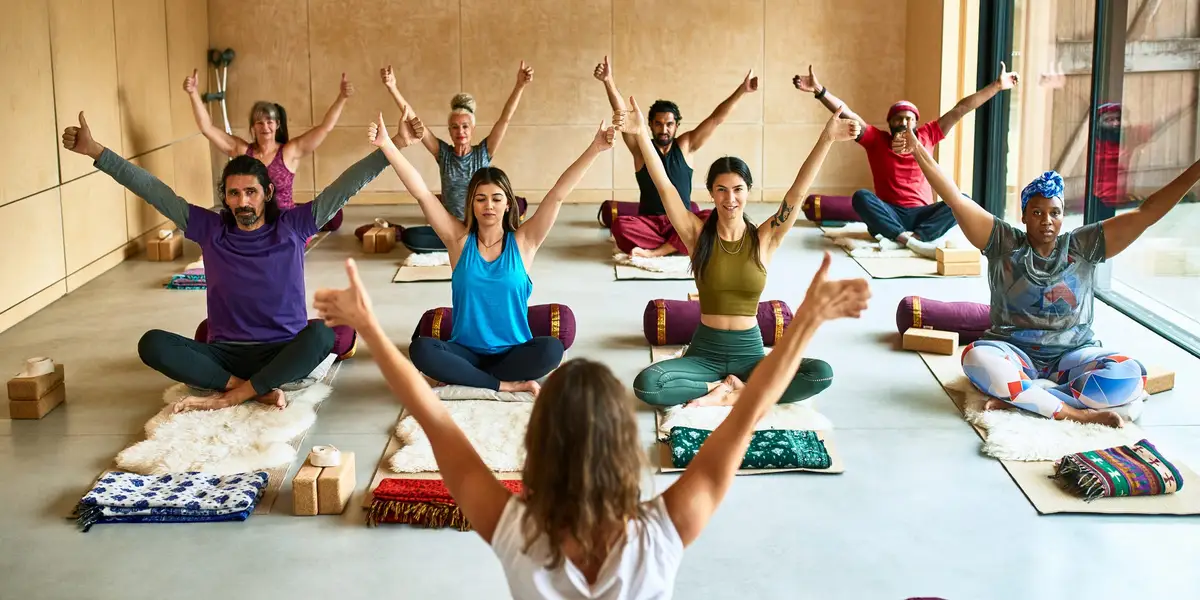
Pregnancy brings remarkable changes to the body, and those changes continue from one trimester to the next. As the baby grows, posture shifts, joints become more mobile, and muscles adapt to support the extra weight. I have always appreciated how prenatal yoga provides a gentle way to stay active while helping the body adjust to each new stage with greater comfort and confidence.
One of the greatest benefits of prenatal yoga is its flexibility. The practice can be modified to match changing energy levels and physical needs throughout pregnancy. Rather than pushing for difficult poses, I focus on mindful movement, steady breathing, and building strength that supports both pregnancy and recovery after birth. In this guide, I will share the best prenatal yoga poses for every trimester, explain why they are beneficial, and offer practical safety tips for maintaining a healthy practice.
Why Prenatal Yoga Is Worth Practicing
Pregnancy affects nearly every part of the body. The growing baby changes the body’s center of gravity, hormones loosen ligaments, and muscles work harder to support the spine and pelvis. Regular prenatal yoga helps improve flexibility while strengthening the muscles that play an important role during pregnancy and childbirth.
I also appreciate the mental benefits of prenatal yoga. Taking time to breathe deeply and move intentionally helps reduce stress and creates a stronger connection between the body and mind. Even a short practice often leaves me feeling calmer and better prepared for the physical demands of pregnancy.
Another advantage is improved body awareness. Learning how to move safely, maintain good posture, and recognize physical limits becomes increasingly valuable as pregnancy progresses. Gentle yoga encourages those habits without placing unnecessary strain on the body.
General Safety Tips Before Beginning
Before starting any prenatal yoga routine, I believe it is important to receive approval from a healthcare provider, especially if the pregnancy involves complications or medical concerns. Every pregnancy is unique, and professional guidance helps ensure that exercise remains safe throughout each trimester.
I also avoid pushing deeply into stretches. Pregnancy hormones naturally increase joint mobility, making it easier to overstretch without realizing it. Gentle movement almost always provides greater long-term benefits than forcing additional flexibility.
Staying hydrated and practicing in a comfortable environment also make a noticeable difference. If I ever feel dizzy, short of breath, or uncomfortable during a pose, I stop immediately and allow my body to rest.
First Trimester Goals
The first trimester often brings fatigue, nausea, and changing energy levels. Rather than focusing on challenging workouts, I prefer gentle movements that improve circulation, reduce stiffness, and encourage relaxation.
During this stage, many traditional yoga poses remain comfortable, but I pay close attention to how my body feels from one day to the next. Some days call for a full practice, while others require only gentle stretching and breathing exercises.
Listening to the body becomes one of the most valuable habits I can develop early in pregnancy. Respecting changing energy levels helps create a practice that remains enjoyable and sustainable.
Cat-Cow Pose
Cat-Cow is one of the most beneficial poses throughout pregnancy because it improves spinal mobility while reducing tension in the lower back.
Beginning on my hands and knees, I inhale while gently lifting my chest and tailbone. During the exhale, I round my spine slightly while drawing my chin toward my chest.
Moving slowly with each breath creates a gentle massage for the spine while encouraging flexibility through the back and pelvis.
Butterfly Pose
Butterfly Pose gently stretches the hips and inner thighs without placing excessive pressure on the joints. It also encourages better posture while helping release tension that often develops around the pelvis.
Sitting comfortably, I bring the soles of my feet together and allow my knees to fall outward naturally. Keeping my spine tall makes the stretch more effective without requiring unnecessary effort.
Rather than pressing my knees toward the floor, I simply allow gravity to deepen the stretch gradually over several breaths.
Child’s Pose
A modified Child’s Pose offers excellent relaxation while gently stretching the hips and lower back. As pregnancy progresses, widening the knees creates additional space for the growing belly.
I sit back comfortably toward my heels while reaching my arms forward. Supporting my chest with a pillow or folded blanket provides additional comfort whenever needed.
This pose has become one of my favorite ways to relieve tension after a long day.
Second Trimester Goals
Energy often improves during the second trimester, making it a good time to focus on building strength, improving balance, and maintaining flexibility. As the belly grows, balance gradually changes, so I become more mindful during standing poses.
This stage is also an excellent opportunity to strengthen the hips, legs, and core muscles that support the body throughout the remainder of pregnancy. Gentle strengthening exercises often reduce discomfort later on.
I also begin modifying poses that place pressure on the abdomen or require lying flat on my back for extended periods. Small adjustments help keep the practice both safe and comfortable.
Warrior II
Warrior II strengthens the legs and hips while improving posture and endurance. It also helps develop stability without requiring complicated movements.
I stand with my feet wide apart before bending my front knee and extending both arms parallel to the floor. My shoulders remain relaxed while I keep my breathing steady.
Holding the pose for several breaths strengthens the lower body while encouraging confidence and balance.
Goddess Pose
Goddess Pose gently opens the hips while strengthening the legs and pelvic muscles. It also encourages better circulation throughout the lower body.
Standing with my feet wider than shoulder-width apart, I turn my toes outward slightly before bending both knees. Keeping my chest lifted helps maintain proper alignment throughout the movement.
Rather than lowering deeply, I focus on controlled movement and steady breathing.
Standing Side Stretch
As the rib cage expands during pregnancy, the muscles along the sides of the body often become tight. Standing Side Stretch helps create more space while improving flexibility.
Standing comfortably, I raise one arm overhead before leaning gently toward the opposite side. My hips remain stable while the stretch extends from my waist to my fingertips.
Repeating the movement on both sides leaves my torso feeling more open and relaxed.
Third Trimester Goals
During the third trimester, comfort becomes the priority. The body carries additional weight, and movements that once felt easy may now require modifications or extra support.
I focus on gentle stretches, breathing exercises, and positions that help reduce pressure on the lower back and hips. Rest becomes just as important as movement, and shorter sessions often feel more comfortable than lengthy practices.
Using yoga blocks, blankets, cushions, or a sturdy chair provides valuable support during this stage. These simple props allow me to continue practicing safely while adapting to my changing body.
Seated Cat-Cow
As getting onto the floor becomes less comfortable, Seated Cat-Cow offers a gentle alternative.
Sitting upright on a sturdy chair, I place my hands on my thighs before arching and rounding my spine with each breath. The movement remains smooth and controlled without requiring excessive effort.
This variation helps relieve back tension while maintaining spinal mobility.
Wide-Legged Child’s Pose
A wider version of Child’s Pose creates more room for the belly while gently stretching the hips and lower back.
I widen my knees comfortably before lowering my upper body toward a cushion or yoga bolster. Supporting my chest allows me to relax fully without straining my back.
Slow breathing in this position often reduces tension throughout the entire body.
Bound Angle Pose
Bound Angle Pose remains one of the most comfortable seated stretches during late pregnancy. It gently opens the hips while encouraging relaxation through the pelvic region.
I sit upright with the soles of my feet together and allow my knees to fall naturally outward. Supporting my knees with cushions if needed makes the posture more comfortable.
Remaining here for several breaths creates a calming finish to the practice.
Legs Up the Chair
Instead of placing my legs against a wall, I prefer resting my calves on a sturdy chair during the later stages of pregnancy. This position encourages relaxation while reducing fatigue in the legs.
Lying comfortably with my head and shoulders supported, I rest my lower legs across the chair seat. My arms remain relaxed beside me while I breathe slowly.
This gentle restorative pose feels especially comforting after spending long periods standing or walking.
Pelvic Tilts
Pelvic Tilts strengthen the muscles supporting the lower back while improving pelvic mobility. They are gentle enough to include throughout pregnancy with proper guidance.
Standing against a wall or positioning myself on hands and knees, I gently tilt my pelvis forward and backward using slow, controlled movement.
Repeating the exercise several times helps reduce stiffness while increasing awareness of pelvic positioning.
Deep Breathing Practice
Breathing exercises remain valuable throughout every trimester. Developing slow, controlled breathing supports relaxation while helping prepare for labor.
Sitting comfortably, I inhale slowly through my nose before exhaling completely without forcing the breath. I concentrate on allowing my shoulders and jaw to remain relaxed throughout the exercise.
Even five minutes of focused breathing can create a noticeable sense of calm while reducing physical tension.
Tips for Maintaining a Safe Practice
I always pay attention to how my body feels rather than trying to complete every planned pose. Pregnancy changes from week to week, and flexibility, energy, and comfort levels naturally fluctuate throughout the journey.
Practicing in a cool, well-ventilated room while wearing comfortable clothing helps prevent overheating. Drinking water before and after yoga also supports hydration, which becomes especially important during pregnancy.
Using props whenever needed has become one of the smartest adjustments I have made. Yoga blocks, bolsters, blankets, and chairs provide additional support that allows me to continue practicing comfortably throughout all three trimesters.
Common Mistakes to Avoid
One common mistake is stretching too deeply simply because pregnancy hormones increase flexibility. While the body may allow greater range of motion, the joints also become less stable, making gentle stretches the safer option.
Another mistake is ignoring fatigue. Pregnancy demands significant energy, and pushing through exhaustion often creates more discomfort than benefit. Resting whenever needed remains an important part of a healthy prenatal yoga routine.
Comparing one pregnancy to another can also create unrealistic expectations. Every experience is different, and allowing the body to progress at its own pace makes the practice far more enjoyable and sustainable.
Final Thoughts
Pregnancy is a season of constant change, and yoga provides a gentle way to support the body through each stage. By adapting the practice to match each trimester, it becomes possible to maintain strength, flexibility, balance, and relaxation while respecting the body’s changing needs.
The best prenatal yoga poses for every trimester focus on mindful movement instead of intensity. Practiced consistently and with guidance from a healthcare provider, these poses can help improve comfort, reduce tension, encourage better posture, and create a greater sense of confidence throughout pregnancy.