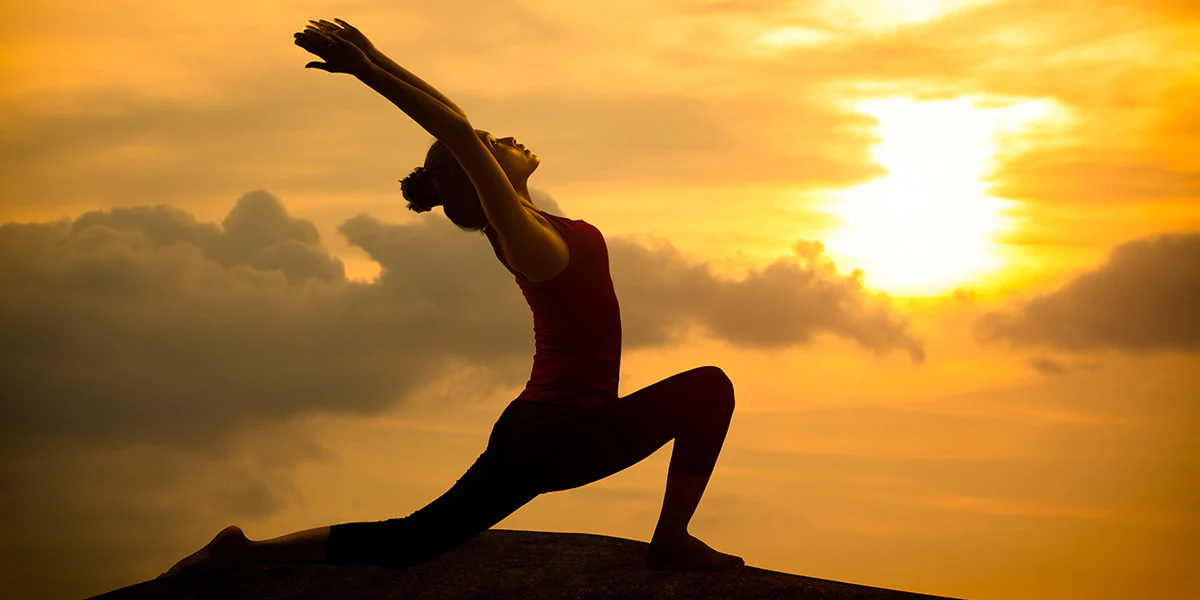
Feeling stiff from head to toe can make even the simplest movements seem harder than they should be. I have noticed that flexibility is not only about reaching deeper into a stretch or performing advanced yoga poses. It is about moving comfortably through everyday life, whether I am bending to tie my shoes, reaching for something on a high shelf, or getting up after sitting for long periods.
A well-designed yoga flow has helped me improve flexibility in a balanced way without forcing my body into uncomfortable positions. Instead of concentrating on one muscle group at a time, the sequence encourages the entire body to move together while building strength, improving posture, and increasing mobility. In this guide, I will share the best yoga flow for full-body flexibility, explain why each pose belongs in the sequence, and offer practical tips that have helped me get the most from every practice.
Why Full-Body Flexibility Is Important
Flexibility affects far more than yoga practice. It influences posture, balance, coordination, athletic performance, and the ease with which I perform daily activities. When one area of the body becomes tight, nearby muscles often compensate, creating unnecessary tension and limiting natural movement.
Modern lifestyles contribute significantly to stiffness. Sitting for long hours, repetitive movements, and limited physical activity can all reduce mobility over time. I have found that yoga gently reverses many of these effects by encouraging the body to move through its natural range of motion.
Another benefit of improving flexibility is reducing unnecessary muscle tension. While flexibility alone does not prevent injuries, maintaining healthy mobility allows joints and muscles to function more efficiently during both exercise and everyday movement.
Begin With Centered Breathing
Before moving into the physical portion of the practice, I spend a few moments focusing on my breathing. This simple habit helps calm my mind while preparing my body for movement.
Standing comfortably in Mountain Pose, I inhale deeply through my nose and exhale slowly while relaxing my shoulders. With each breath, I become more aware of my posture and allow any unnecessary tension to begin fading away.
Even one or two minutes of mindful breathing changes the quality of the entire session. My movements become smoother, and I feel more connected to my body before beginning the flow.
Mountain Pose
Mountain Pose establishes proper alignment before transitioning into more active postures. Although it appears simple, it teaches balance, posture, and body awareness.
I stand with my feet about hip-width apart while distributing my weight evenly between both feet. My core remains gently engaged, and I lengthen through the top of my head while keeping my shoulders relaxed.
Starting with strong posture creates a solid foundation that carries through the rest of the practice.
Cat-Cow Pose
Cat-Cow is one of the best ways to warm up the spine before deeper stretches. It improves mobility throughout the back while encouraging better coordination between movement and breathing.
Beginning on my hands and knees, I arch my back gently as I inhale before rounding my spine during the exhale. Rather than rushing through the movement, I allow each breath to guide the transition.
Repeating this sequence for one to two minutes helps loosen stiffness throughout the spine, shoulders, and hips.
Downward Facing Dog
Downward Facing Dog stretches multiple muscle groups at once, making it an essential part of any full-body flexibility routine. It lengthens the hamstrings, calves, shoulders, back, and arms while gently strengthening the upper body.
From my hands and knees, I lift my hips toward the ceiling while creating an inverted V shape. I keep my knees slightly bent if needed, focusing on lengthening my spine instead of forcing my heels toward the floor.
Slow breathing allows the stretch to deepen naturally without creating unnecessary strain.
Low Lunge
Low Lunge opens the hip flexors while stretching the thighs and improving mobility throughout the pelvis. Since prolonged sitting often tightens this area, I include this pose in nearly every flexibility session.
Stepping one foot forward from Downward Facing Dog, I lower my back knee to the mat and gently shift my weight forward. My chest remains lifted while my hips move slowly into the stretch.
After several deep breaths, I repeat the movement on the opposite side to maintain balanced flexibility.
Warrior II
Warrior II strengthens the legs while opening the hips and stretching the inner thighs. It also improves posture and stability throughout the body.
I take a wide stance before bending my front knee and extending both arms parallel to the floor. My gaze stays over my front fingertips while my shoulders remain relaxed.
Holding the posture for several breaths creates a gentle challenge without sacrificing proper alignment.
Triangle Pose
Triangle Pose stretches the hamstrings, hips, spine, and sides of the torso simultaneously. It also develops balance while encouraging better body awareness.
From Warrior II, I straighten my front leg before reaching forward and lowering one hand toward my shin or a yoga block. My opposite arm extends upward as I rotate my chest toward the ceiling.
Rather than reaching as low as possible, I focus on maintaining length through both sides of my body.
Pyramid Pose
Pyramid Pose provides one of the deepest hamstring stretches within the sequence while also improving flexibility through the calves and hips.
With one foot positioned in front of the other, I fold forward from my hips while maintaining a long spine. My hands rest comfortably on yoga blocks or my front leg depending on my flexibility.
Small improvements over time have proven far more effective than forcing deeper stretches.
Pigeon Pose
Pigeon Pose targets the outer hips and glutes, two areas that often become tight from prolonged sitting or repetitive exercise. Releasing tension here also benefits the lower back.
I bring one knee forward while extending the opposite leg behind me. Supporting my hips with a folded blanket whenever necessary allows me to remain comfortable without compromising alignment.
Steady breathing encourages my muscles to soften naturally, making the stretch feel deeper with each exhale.
Cobra Pose
After several forward folds, Cobra Pose introduces gentle spinal extension. This movement strengthens the back while opening the chest and shoulders.
Lying face down, I place my hands beneath my shoulders before lifting my chest using mostly my back muscles. My elbows stay slightly bent, and I avoid pushing higher than feels comfortable.
This gentle backbend balances the sequence by encouraging movement in the opposite direction.
Seated Forward Fold
Seated Forward Fold stretches the hamstrings, calves, and lower back while promoting relaxation after the standing portion of the practice.
Sitting with both legs extended, I hinge forward from my hips rather than rounding my spine. My hands rest comfortably wherever they naturally reach.
Instead of chasing maximum depth, I focus on maintaining good posture and steady breathing.
Butterfly Pose
Butterfly Pose gently opens the hips and inner thighs while helping release tension built up during the day. It provides a relaxing transition toward the end of the sequence.
Bringing the soles of my feet together, I allow my knees to fall naturally toward the floor. Sitting tall through my spine makes the stretch much more effective.
Holding the pose for one to two minutes allows gravity to gradually increase flexibility without unnecessary effort.
Supine Twist
A gentle spinal twist helps restore balance after deeper stretches while improving mobility throughout the back and torso.
Lying on my back, I draw one knee across my body while extending the opposite arm outward. My shoulders remain grounded as I breathe deeply into the twist.
Repeating the movement on both sides leaves my spine feeling refreshed and relaxed.
Happy Baby Pose
Happy Baby Pose stretches the hips, inner thighs, and lower back while encouraging complete relaxation before ending the practice.
Lying on my back, I bend both knees toward my chest before holding my feet or ankles. Allowing my knees to move toward the floor creates a comfortable stretch without forcing the movement.
Gentle rocking from side to side provides a soothing massage for the lower back while releasing lingering tension.
Savasana
No flexibility routine feels complete without a few minutes of rest. Savasana allows my muscles to absorb the benefits of the practice while calming both my body and mind.
Lying comfortably on my back, I allow my arms and legs to relax naturally. My breathing becomes slow and effortless as I simply enjoy the feeling of stillness.
Although it may appear passive, this final pose often becomes one of the most valuable parts of the entire session.
Tips for Improving Flexibility Safely
Consistency has been the greatest factor in improving my flexibility. Short sessions practiced regularly have produced much better results than occasional intense stretching. I aim for four or five sessions each week, allowing my body to adapt gradually.
Breathing remains just as important as the stretches themselves. Every slow exhale helps my muscles relax, making each pose feel more comfortable and effective. Holding my breath usually creates unnecessary tension that limits progress.
Patience has also become essential. Flexibility develops at different rates for different people, and comparing myself with others only distracts me from my own progress. Celebrating small improvements keeps me motivated to continue practicing.
Common Mistakes to Avoid
Trying to force deeper stretches is one of the quickest ways to create discomfort. Stretching should produce gentle tension rather than pain, and respecting those limits has allowed me to improve steadily without setbacks.
Skipping the warm-up often leaves the body unprepared for deeper poses. Even a few minutes of gentle movement significantly improves how my muscles respond during the practice.
Another mistake involves neglecting strength. Flexible muscles still require stability, and many yoga poses naturally develop both qualities together. Maintaining that balance has helped me move more confidently both on and off the mat.
Final Thoughts
Improving flexibility is not about achieving impressive poses or becoming extraordinarily flexible overnight. It is about helping the body move with greater ease, reducing stiffness, and creating healthier movement patterns that support everyday life.
The best yoga flow for full-body flexibility combines gentle stretching, mindful breathing, and balanced movement to improve mobility from head to toe. Practiced consistently, this sequence can help increase flexibility, strengthen supporting muscles, and leave the entire body feeling lighter, more relaxed, and ready for whatever the day brings.