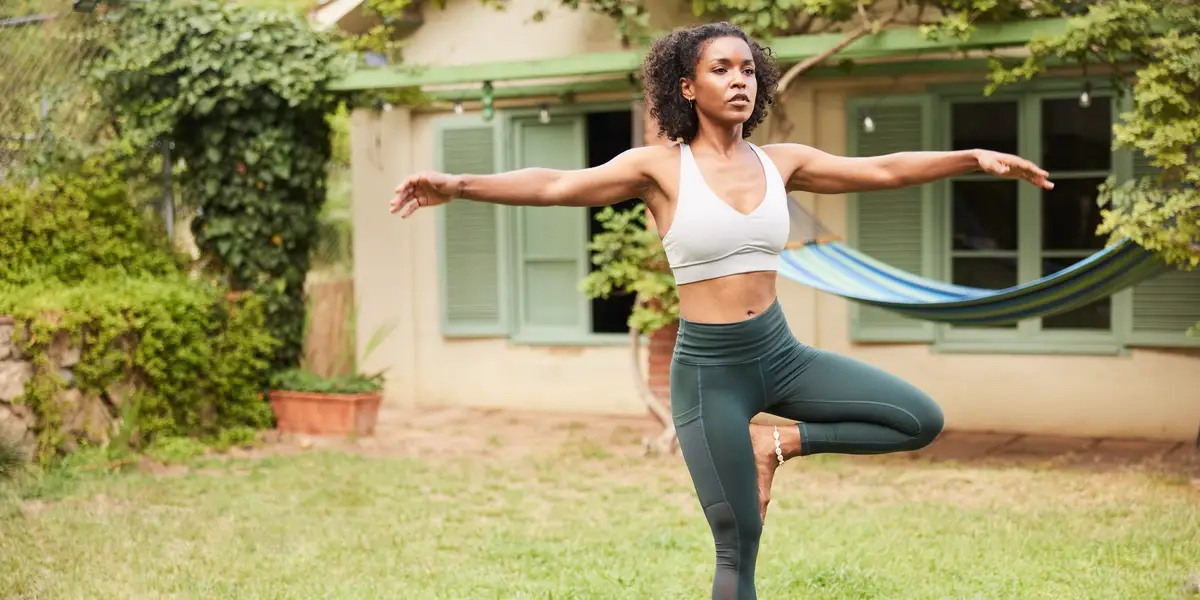
Tight hamstrings have a way of making the entire body feel less mobile. A short walk can leave the backs of the legs feeling stiff, bending down to pick something up becomes awkward, and even sitting comfortably for extended periods may feel more difficult than it should. I have discovered that regular yoga stretches can gradually restore flexibility while improving the way my entire body moves throughout the day.
Instead of chasing quick results, I focus on slow, consistent progress. Gentle stretching combined with mindful breathing has helped me release tension without pushing my body beyond its limits. In this guide, I will share the best yoga stretches for tight hamstrings, explain why they work, and offer practical tips that have made my own practice safer and more effective.
Why Hamstrings Become Tight
The hamstrings are a group of three muscles running along the back of each thigh. They play an important role in walking, running, bending, and maintaining balance. When these muscles lose flexibility, everyday movements often become less efficient, and other parts of the body begin compensating.
Long hours of sitting are one of the biggest reasons hamstrings become tight. Remaining in the same position for much of the day limits movement, causing the muscles to shorten over time. Intense workouts without proper recovery can also contribute to stiffness, especially if stretching is neglected afterward.
I have learned that improving hamstring flexibility is not simply about touching my toes. Better mobility supports healthier posture, reduces unnecessary strain on the lower back, and allows my hips to move more naturally during daily activities.
Standing Forward Fold
Standing Forward Fold is one of the simplest stretches for targeting the hamstrings. Although it appears straightforward, proper technique makes all the difference between a comfortable stretch and unnecessary strain.
I begin by standing with my feet about hip-width apart before hinging forward from my hips rather than rounding my back. Instead of locking my knees, I keep a gentle bend that allows my spine to remain long while directing the stretch into the backs of my legs.
I never worry about reaching the floor. My hands rest wherever they naturally fall, and I allow gravity to deepen the stretch with every slow exhale. This patient approach has consistently produced better results than forcing additional range of motion.
Downward Facing Dog
Downward Facing Dog stretches much more than the hamstrings, but it remains one of my favorite poses for improving flexibility throughout the entire back of the body. It also strengthens the shoulders, arms, and core while encouraging better posture.
Starting on my hands and knees, I lift my hips toward the ceiling, creating an inverted V shape. I keep my knees slightly bent at first before gradually straightening my legs only as far as my flexibility comfortably allows.
Rather than focusing on pressing my heels into the floor, I concentrate on lengthening my spine. That adjustment transforms the pose from an uncomfortable struggle into an effective hamstring stretch.
Reclining Hand-to-Big-Toe Pose
This pose allows me to isolate one hamstring at a time while maintaining excellent support for my lower back. Because I remain lying on the floor, it feels easier to control the intensity of the stretch.
Lying flat on my back, I extend one leg upward while holding the foot with a yoga strap or towel if necessary. The opposite leg stays comfortably extended along the mat, helping stabilize my hips throughout the movement.
Instead of pulling aggressively, I gently guide the raised leg toward me until I feel a comfortable stretch. Holding for several slow breaths before switching sides has noticeably improved my flexibility over time.
Pyramid Pose
Pyramid Pose combines balance, strength, and flexibility into one movement. It provides an excellent stretch for the hamstrings while encouraging better stability through the hips and legs.
I begin with one foot positioned in front of the other, keeping both legs straight but not locked. Folding forward from my hips, I allow my hands to rest on yoga blocks, my shin, or the floor depending on my flexibility.
Maintaining a long spine remains more important than folding deeply. I have found that even a modest forward bend produces significant benefits when proper alignment is maintained.
Seated Forward Fold
Few stretches focus on the hamstrings as directly as Seated Forward Fold. This classic yoga posture encourages flexibility while also calming the mind through slow, controlled breathing.
Sitting with both legs extended in front of me, I lengthen my spine before gently folding forward. Rather than pulling on my feet, I allow my hands to rest comfortably wherever they naturally reach.
Progress happens gradually in this pose. Some days I fold farther than others, but remaining patient has helped me avoid injury while steadily increasing my range of motion.
Wide-Legged Seated Forward Fold
Changing the position of the legs creates a different stretch throughout the hamstrings and inner thighs. This variation also improves flexibility around the hips, making it an excellent addition to a balanced yoga practice.
I sit with my legs comfortably apart before hinging forward from the hips. My back stays as straight as possible while my hands move forward only until I feel a gentle stretch.
Instead of comparing today’s flexibility with yesterday’s, I simply focus on breathing and relaxing into the posture. That mindset has made my practice much more enjoyable and sustainable.
Half Splits Pose
Half Splits Pose provides an excellent stretch for the front leg while maintaining stability through the supporting knee. It is especially helpful for people who spend much of the day sitting.
Beginning in a low lunge, I shift my hips backward while straightening the front leg. My hands remain on the floor or yoga blocks for support as I fold gently over the extended leg.
Keeping a slight bend in the front knee prevents excessive strain while still allowing the hamstrings to lengthen effectively. This small adjustment has made the pose considerably more comfortable for me.
Head-to-Knee Pose
Head-to-Knee Pose combines a hamstring stretch with gentle spinal lengthening. It also allows one side of the body to receive focused attention without placing excessive demand on the opposite leg.
I extend one leg while bringing the sole of the opposite foot against my inner thigh. Folding forward from my hips, I reach toward the extended foot while maintaining a relaxed neck and shoulders.
The goal is not touching my forehead to my knee. Instead, I concentrate on creating length through my spine while allowing the hamstrings to gradually release tension.
Triangle Pose
Triangle Pose offers a standing stretch that targets the hamstrings while strengthening the legs and improving balance. It also encourages mobility throughout the hips and spine.
Standing with my feet wide apart, I turn one foot outward before reaching forward and lowering one hand toward my shin or a yoga block. The opposite arm extends toward the ceiling while my chest remains open.
I avoid collapsing into the lower side of my body. Keeping both sides long creates a more effective stretch and helps maintain healthy alignment throughout the pose.
Standing Wide-Legged Forward Fold
This posture provides a deep stretch across both hamstrings while also opening the inner thighs. It feels particularly beneficial after long periods of sitting or standing.
I stand with my feet positioned wide apart before folding forward from my hips. My hands rest comfortably on the floor or yoga blocks depending on my flexibility.
Allowing the crown of my head to relax toward the floor encourages my neck and shoulders to release tension as well. The result is a stretch that benefits far more than just the backs of my legs.
Legs Up the Wall
Not every effective hamstring stretch requires significant effort. Legs Up the Wall offers a restorative way to lengthen the backs of the legs while promoting relaxation throughout the entire body.
I sit beside a wall before carefully swinging my legs upward as I lie onto my back. My hips rest comfortably near the wall while my arms relax beside me.
Remaining in this position for several minutes allows gravity to gently stretch the hamstrings without forcing movement. It has become one of my favorite ways to end a yoga session.
Tips for Improving Hamstring Flexibility
Consistency has made the greatest difference in my flexibility. Practicing several times each week produces better results than attempting one long stretching session every so often. Even fifteen minutes can create meaningful progress when repeated regularly.
Breathing slowly transforms each stretch into a more comfortable experience. I inhale to lengthen my spine and exhale to encourage my muscles to relax. Holding my breath almost always makes the stretch feel more intense than necessary.
I also pay close attention to warming up before deeper stretches. Gentle walking, light yoga flows, or dynamic movements prepare the muscles for greater flexibility while reducing the risk of injury.
Common Mistakes That Slow Progress
One mistake I see frequently is trying to force flexibility too quickly. Stretching should create mild tension rather than sharp pain, and pushing beyond comfortable limits often leads to soreness instead of improvement.
Another common issue involves rounding the lower back instead of hinging from the hips. Maintaining proper alignment helps direct the stretch into the hamstrings rather than placing unnecessary stress on the spine.
Skipping recovery can also limit progress. Muscles need time to adapt after stretching, making rest just as valuable as the practice itself. Allowing the body to recover has helped me maintain steady improvements without setbacks.
Building a Weekly Hamstring Routine
I like to combine several of these stretches into a simple routine lasting about twenty minutes. Beginning with Downward Facing Dog warms the body before moving into Standing Forward Fold, Half Splits Pose, Pyramid Pose, Seated Forward Fold, and finishing with Legs Up the Wall creates a balanced session that never feels overwhelming.
Repeating this routine four or five times each week has helped me notice gradual improvements in flexibility without feeling rushed. Small gains accumulate surprisingly quickly when practice becomes part of a regular schedule.
The best yoga stretches for tight hamstrings become even more effective when paired with good posture, regular movement throughout the day, and adequate hydration. Together, these habits support healthier muscles and more comfortable movement in everyday life.
Final Thoughts
Flexible hamstrings contribute to much more than improved yoga performance. They support healthier posture, reduce unnecessary strain on the lower back, improve athletic performance, and make everyday activities feel easier and more comfortable.
The best yoga stretches for tight hamstrings are not about achieving dramatic flexibility overnight. They work because they encourage gradual progress through mindful movement, steady breathing, and consistent practice. With patience and a willingness to listen to the body, these stretches can help restore freedom of movement and make daily life feel noticeably more comfortable.